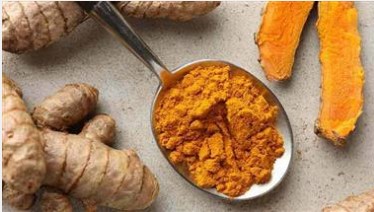
- A laboratory study from Wroclaw Medical University tested and compared five plant compounds — curcumin, berberine, biochanin A, cucurbitacin E, and CAPE — for their ability to affect fibrosarcoma cancer cells versus healthy muscle cells
- The compounds disrupted energy production far more in the cancer cells, where adenosine triphosphate (ATP) levels dropped by roughly 83% to 92%, compared with 23% to 73% in healthy cells
- All five pushed cancer cells into permanent growth arrest. However, curcumin stood out, producing the strongest effect, raising senescent cancer cells from about 16.5% to more than 75%
- In a wax moth larvae safety screen, curcumin and berberine were best tolerated, while biochanin A proved most toxic, showing strong anticancer activity does not guarantee safety
- The work used animal cell lines and a simple invertebrate model, so the researchers are clear these compounds are not a treatment for cancer and need testing in more advanced models
Keep reading: https://articles.mercola.com/sites/articles/archive/2026/10/22/curcumin-anticancer-effects-study.aspx