
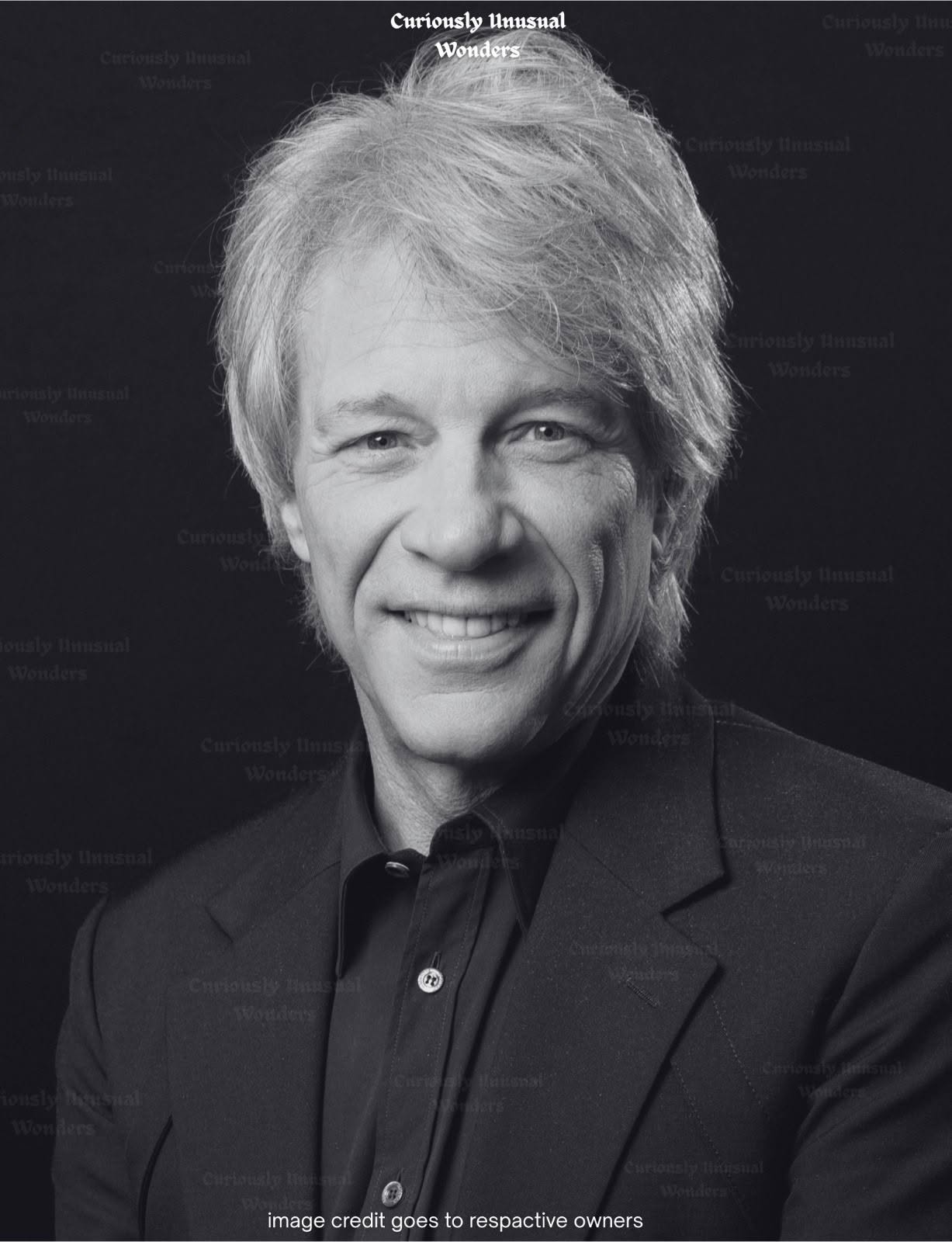
In 2011, Jon Bon Jovi and his wife Dorothea Hurley opened a small restaurant in Red Bank, New Jersey called JBJ Soul Kitchen. The idea was simple and radical at the same time. No fixed prices. No shame. No labels.
The menu listed suggested donations, not prices. Guests who could not pay were invited to give an hour of their time instead — washing dishes, busing tables, helping in the kitchen. No questions asked. No pity offered.
The man behind the music agreed to fund the project. His wife Dorothea Hurley took the wheel day to day. Remember that name — Dorothea Hurley — because without her quiet, steady leadership, none of this exists.
The restaurant opened on October 19, 2011. Real plates. Real cloth napkins. Soft lighting. A full menu of chef-prepared food including fresh proteins, roasted vegetables, and warm desserts. The kind of meal that says: you are worth this.
From the very first week, people came. Some paid the full suggested amount. Some paid what they could. Some rolled up their sleeves and worked. Not one person was treated differently from another. That was the point.
Over the years, Jon and Dorothea expanded. A second Soul Kitchen opened in Toms River, New Jersey. A third opened on the campus of Monmouth University, giving college students quietly struggling with food insecurity a place to eat with dignity.
By 2020, the Soul Kitchens had served hundreds of thousands of meals across their locations. Then the pandemic arrived. While restaurants across America shuttered, JBJ Soul Kitchen did the opposite.
They pivoted immediately. The dining rooms closed to protect guests, but the kitchens stayed open. Volunteers and staff packed warm meals and delivered them to elderly residents, isolated individuals, and families with empty cupboards. Jon Bon Jovi himself was photographed in an apron, packing boxes, loading cars, doing the unglamorous work.
Dorothea coordinated operations behind the scenes as she always has, making sure the food was warm, the packaging was right, and the dignity of every recipient was preserved.
The personal cost to Jon and Dorothea has never been small. Running a nonprofit restaurant requires constant fundraising, volunteer coordination, and community trust. Jon has spoken in interviews about the emotional weight of seeing real hunger up close — after decades of stadium shows and global fame, it was the kitchen sink that humbled him most.
Dorothea has spoken about the small details mattering most. Real plates instead of paper ones. Cloth napkins instead of paper. Gentle lighting instead of fluorescent strips. Because when a person is already hurting, she said, the message those details carry — you are worth real silverware — can mean more than the food itself.
On December 25, every year, the Soul Kitchen serves full Christmas dinners. Warm bread. Real cutlery. Music. Candles. The same table for everyone.
No scandal broke open this story. No institution failed. No cover-up was exposed. This is a different kind of story. This is what it looks like when two people simply decide to do something good and refuse to stop.
Jon Bon Jovi is still performing. Dorothea Hurley is still running the kitchen. The Soul Kitchens are still open.
More than a restaurant. More than a charity. A quiet revolution that whispers the same thing to every person who walks through the door.
You matter here. This table is yours too. And no one will ever ask you to prove it.