

The Ultimate Home Detox Checklist: 30 Most Important Steps to Make Your Home Non-Toxic
From Ocean Robbins:
Hi Tom,
Our bodies are, unfortunately, exposed to toxins every day. Many of these toxins are strongly linked to cancer, Alzheimer’s, heart disease, autoimmune diseases, diabetes, anxiety, hormonal issues, and more.
And your home may actually be the #1 source of these toxins. Your awareness of the worst offenders in your home — and the safer choices you can make — is your best defense.
That’s why I’m excited to tell you about an important new guide and convenient one-page checklist from health researcher and advocate Brian Vaszily.
Because people now spend 86% of time indoors — mostly at home — it really can be the top source of toxins entering your body. And I think that you’ll find many of the worst everyday sources of toxins in the home quite surprising.
However, you’ll also find out the easiest and most effective ways to eliminate the threats they pose — and make much safer choices.
For example, in the Ultimate Home Detox Checklist you’ll find out about:
The four worst everyday cleaning supplies now strongly linked to cancer, hormone disruption and more.
The surprising types of popular clothing now strongly linked to cancer, and the much safer and healthier choices.
Very little-known facts you must know to protect your health if you use any type of exfoliator or body scrub.
The Do’s and Definite Don’ts the next time you go shop for furniture (this problem is getting worse, yet there are now great solutions!).
The “food” that is supposed to help your health but is now a worst offender when it comes to toxic contamination.
Furthermore, with your Ultimate Home Detox Checklist, you’ll also get free registration for LET’S GET PERSONAL: The ULTIMATE Healthy Aging and Longevity Summit. For this summit, Brian interviews 22 of today’s most esteemed healthy aging and longevity doctors and researchers (from a range of backgrounds) — including yours truly. You’ll hear Brian asking each of us to share the top health secrets that are so powerful and effective that we make certain to take those steps ourselves.
Find out more and get it all now.
Yours for a safe home,
Ocean Robbins
The 15 Most Filling Healthy Foods
Why is it beneficial to feel full and satisfied after eating?
The most straightforward answer is that feeling full helps keep your appetite in line. If you’re eating foods that leave you hungry again an hour or two later, it’s easy to reach for an unhealthy snack. But if you feel nicely filled up for several hours after eating, it’s much easier to fight temptation and stick to a healthy eating plan.
Of course, one of the most obvious further benefits of this is weight management.
Hunger is a signal to your body that it’s time to eat. When it hits, you are likely to not only eat more than you should, but also to reach for whatever is closest to hand— healthy or not. This can quickly sabotage even the best weight loss or maintenance plan.
However, feeling full goes far beyond simply your weight.
In general, the most filling foods are also dense in nutrients, especially the plant-based ones. Most processed foods will leave you empty after a short period of time and don’t provide your body with much that’s good.
By choosing healthy foods that fill you up, your body gets the nutrition it needs, and cravings tend to decrease as a bonus. (After all, your body is after nutrients, though we often judge food by how it tastes. If it gets satisfied, it won’t be sending you signals to keep eating.)
And as a final note, feeling full also helps the people around you by keeping you from becoming “hangry”— irritable or bad-tempered from hunger!
https://theartofantiaging.com/the-most-filling-healthy-foods/
How Much Does Air Con Cost to Run?

These are some typical daily running costs for four different types of cooling, assuming an operating time of 12 hours over the day:
Cooling Device Power Use Cost per Day
Ducted Air Con 4.5kW $16.20
Split System AC 1.2kW $4.32
Ceiling Fan with DC Motor 20W 7 cents
Portable Fan with DC Motor 15W 5 cents
Ceiling Fan in Night Mode 5W 2 cents
Use our free electricity cost calculator to run your own numbers.
https://reductionrevolution.com.au/blogs/calculator/electricity-cost
ElectroCulture

WATCH Secondary Sugar: The Addictive But Secret Poison
A warning, delivered by Laurent Adamowicz (a French-American founder and chairman of EChO – Eradicate Childhood Obesity Foundation) lays out a startling and shocking picture of just how sneaky certain food companies are when it comes to concealing the amount of unnecessary sugar they add to their products with bogus health claims.
Read on to learn about the key difference between primary and secondary sugar, that will help you distinguish between good and bad sugar, then have a look at Laurent’s eye-opening video.
https://www.ba-bamail.com/health-articles/watch-secondary-sugar-the-addictive-but-secret-poison/
What’s In Your Deli Meat?
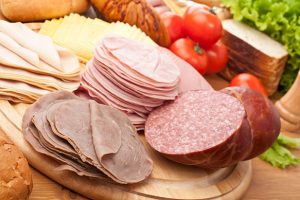
Deli meat is a product that is quick and easy to grab for meals, snacks or party trays. It is a naturally low-fat product that many consider a great addition to a “healthy” lifestyle.
Unfortunately, typical deli meat contains some ingredients that can be damaging to one’s health, especially if consumed on a regular basis.
Deli meats have been linked to a variety of cancers, especially those affecting the digestive tract, in several studies.
This alone should cause one to question the consumption of deli meats, but why have they been linked to cancers?
Examining some of the ingredients and the process by which deli meats are made may provide some answers.
Stool Study
Tom: A supplier sent me this:
The American Gut Project analyzed the stool samples of more than 15,000 volunteers.
(Some might call this a crappy study — but the results were fascinating!)
The researchers found that people who ate more than 30 different plant foods per week had a more diverse gut microbiome. And they had more of the bacteria that produce short chain fatty acids — which are in turn linked to benefits for mental health, energy levels, heart health, and weight management.
So now, more and more people are asking — how can I eat 30 plant foods in a week?
Tom: I have that solved with the 205 ingredients in my Greens Plus: https://www.healthelicious.com.au/Nutri-Blast-Greens-Plus.html
‘Heart attack risk’ for common painkillers
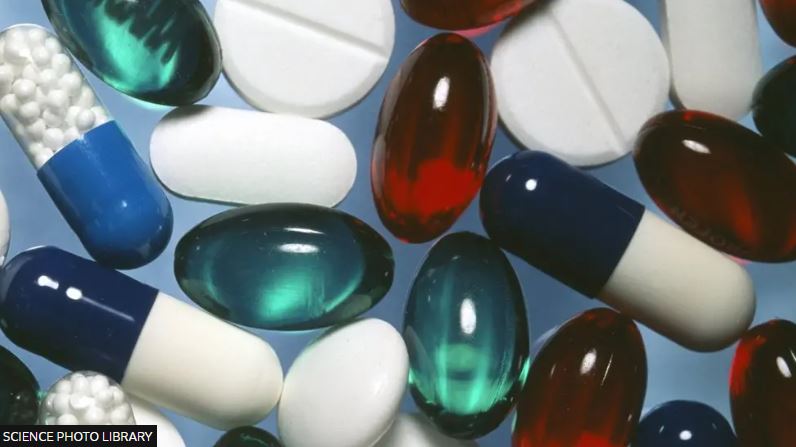
A fresh study suggests there may be a link between taking high doses of common anti-inflammatory painkillers – such as ibuprofen – and heart attacks.
The paper, published in The BMJ, external, builds on a previous body of work linking these drugs to heart problems.
This research suggests the risk could be greatest in the first 30 days of taking the drugs.
But scientists say the findings are not clear cut. They say other factors – not just the pills – could be involved.
In the study an international team of scientists analysed data from 446,763 people to try to understand when heart problems might arise.
They focused on people prescribed non-steroidal anti-inflammatory drugs (such as ibuprofen, diclofenac, celecoxib and naproxen) by doctors rather than those who bought the painkillers over the counter.
You Are The First Victim Of Your Own Anger