
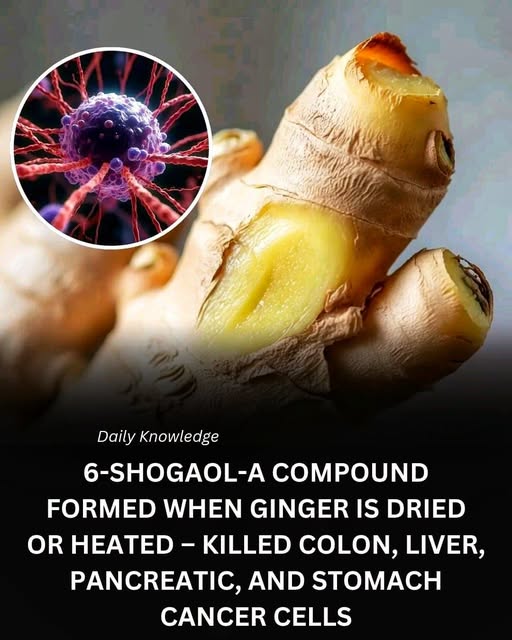
Ginger has emerged as a promising natural agent in the treatment of gastrointestinal cancers due to its anti-inflammatory, antioxidant, and anti-tumor properties. Research highlights that bioactive compounds in ginger, such as 6-gingerol, 6-shogaol, zingerone, and paradol, can inhibit the growth and spread of cancer cells in colorectal, gastric, liver, pancreatic, and laryngeal cancers.
These compounds work through multiple molecular pathways, including PI3K/Akt, NF-?B, EGFR, and Wnt/ß-catenin signaling, leading to reduced tumor cell proliferation, induction of apoptosis, and suppression of metastasis. In addition, ginger has shown potential in reducing oxidative stress and inflammation, both of which play major roles in cancer progression.
Beyond its direct anti-cancer effects, ginger may also improve the overall effectiveness and tolerability of cancer treatments. Studies suggest that ginger can help reduce chemotherapy-induced side effects such as nausea, vomiting, cardiotoxicity, nephrotoxicity, and neuropathic pain.
Furthermore, combining ginger with conventional chemotherapy drugs or other natural compounds has demonstrated synergistic effects in enhancing cancer cell death and overcoming drug resistance. Advances in drug delivery systems, including liposomes, nanoparticles, and nano-formulations, are also improving the stability and bioavailability of ginger-derived compounds. Although most evidence currently comes from laboratory and animal studies, the findings strongly support further clinical research into ginger as a complementary therapy for gastrointestinal cancers.
PMCID: PMC10701234 PMID: 38077642