Dr Barbara O’Neill writes:
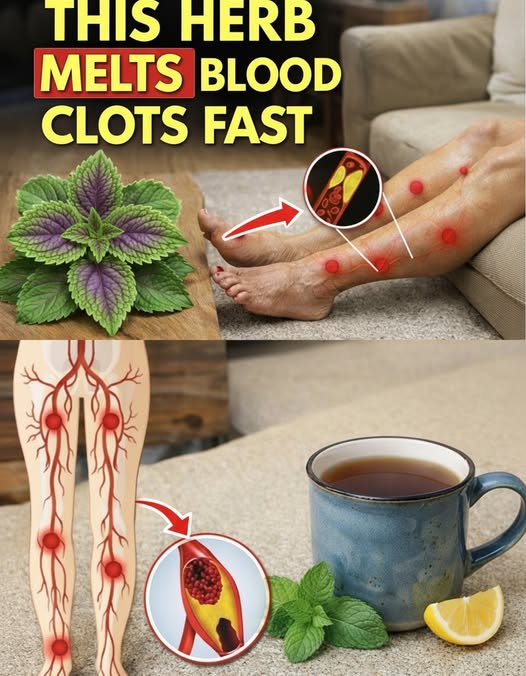
One quiet morning, you might notice a dull ache behind your knee or a calf that feels tight after sitting for a while. Toes staying cold even under thick socks can also be a subtle sign. Many people dismiss these as part of getting older, but they could point to circulation concerns that deserve attention. The good news is that certain herbs have been traditionally used to support better blood flow, and we’ll explore six of them here—starting with number six and building up to the top one that’s gaining interest in recent studies.
WHY CIRCULATION MATTERS AS YOU AGE
As we enter our 60s and beyond, maintaining healthy circulation becomes increasingly important for overall well-being. Blood flow helps deliver oxygen and nutrients to your legs, keeping them feeling comfortable during daily activities.
But here’s the thing: Factors like prolonged sitting or natural aging can sometimes lead to feelings of heaviness or discomfort in the lower body.
Research suggests that incorporating natural options into your routine might help promote smoother circulation. For instance, studies in food science journals have looked at how certain compounds in herbs can influence blood vessel health.
And that’s not all—let’s dive into these six herbs, counted down from six to one, with practical tips on how to try them.
6. CAYENNE PEPPER: A SPICY OPTION FOR BLOOD FLOW SUPPORT
Cayenne pepper contains capsaicin, a compound known for its potential to support vascular health.
A 2021 review in Critical Reviews in Food Science and Nutrition noted that regular intake of capsaicin might contribute to better blood flow.
For those over 60, this herb could be a simple addition to your morning routine.
Try starting with just ⅛ teaspoon mixed into warm lemon water. Many people report feeling more energized by midday.
But remember, begin with small amounts if you have sensitive digestion.
5. HAWTHORN BERRY: TRADITIONAL SUPPORT FOR HEART AND VESSELS
Hawthorn has been used for centuries, thanks to its flavonoids and procyanidins that may help relax blood vessels.
In Germany, it’s recognized by the Commission E for supporting mild heart-related concerns, potentially improving leg comfort during walks.
If you’re looking to incorporate it, consider 1-2 cups of hawthorn tea daily or 450-900 mg of standardized extract.
This could be especially appealing for those noticing occasional swelling after long days.
The interesting part? It’s often praised for its gentle approach.
4. GINKGO BILOBA: FOCUSING ON TINY VESSELS
Ginkgo biloba extract, particularly the standardized EGb 761, is studied for its effects on microcirculation in areas like the legs.
In some European practices, it’s used to address feelings of heaviness in the limbs.
A typical amount is 50-120 mg twice daily with meals, and some individuals notice improvements in foot warmth over 4-6 weeks.
This herb might suit those dealing with occasional tingling sensations.
Here’s a key point: Always choose a standardized product for consistency.
3. SWEET BASIL: AN EVERYDAY HERB WITH POTENTIAL BENEFITS
Sweet basil, or tulsi, contains eugenol, which lab studies suggest may influence platelet behavior in a supportive way.
Unlike some options, it’s gentle on the stomach and easy to find in your kitchen.
Brew a tea with a handful of fresh leaves or add it dried to meals for a flavorful boost.
For evening relaxation, holy basil tea can become a soothing habit.
And get this—it’s versatile enough to sprinkle on dinners regularly.
2. RED CLOVER: PROMOTING ARTERIAL FLEXIBILITY
Red clover offers isoflavones that may help maintain arterial elasticity, according to some clinical observations.
In trials with post-menopausal women, participants reported better leg comfort after consistent use of red clover tea over 12 weeks.
Enjoy 1-2 cups of blossom tea daily; it has a mild, sweet flavor that pairs well with honey.
This could be a good choice for women navigating hormonal changes.
But wait, there’s more—it’s sourced from nature’s gentle coumarins in food amounts.
1. BLACK SEED (NIGELLA SATIVA): A TOP PICK FOR OVERALL SUPPORT
Black seed stands out with thymoquinone, which research indicates may help with inflammation and cholesterol balance.
A 2023 meta-analysis of human trials found that ½-1 tsp of black seed oil daily was associated with improved blood pressure markers.
Take it in warm milk or with honey, morning and night, for a steady routine.
Many over 60 appreciate its potential for supporting energy and lighter-feeling legs.
The exciting news? It’s being studied by cardiologists in Europe for its multifaceted benefits.
COMPARING THESE HERBS: A QUICK GUIDE
To make it easier, here’s a simple comparison table of the six herbs, including key compounds and suggested daily amounts.
| Rank | Herb | Key Compound | Suggested Daily Amount | Potential Focus for Over 60s |
|---|---|---|---|---|
| 6 | Cayenne Pepper | Capsaicin | 1/8–¼ tsp powder or 30–90 mg caps | Cold extremities, heavy legs |
| 5 | Hawthorn Berry | Procyanidins | 450–900 mg extract or 2 cups tea | Swelling, mild heart weakness |
| 4 | Ginkgo Biloba | Ginkgolides | 120–240 mg standardized | Pins-and-needles, brain fog |
| 3 | Sweet Basil | Eugenol | 2–3 cups tea or fresh in food | Easy kitchen addition |
| 2 | Red Clover | Isoflavones | 1–2 cups blossom tea | Stiff arteries, menopausal women |
| 1 | Black Seed | Thymoquinone | ½–1 tsp oil or 1 g seeds | Overall clot + inflammation control |
This table highlights how each herb might fit into your lifestyle.
SAFETY CONSIDERATIONS FOR USING HERBS
Safety is key when exploring natural options.
Here’s a list of guidelines for each herb:
-
Black Seed: ½–1 tsp oil; monitor blood sugar and pressure levels.
-
Red Clover: 1–2 cups tea; consult if on certain medications due to natural coumarins.
-
Ginkgo Biloba: 120–240 mg; pause two weeks before any surgery.
-
Hawthorn Berry: 450–900 mg; supervise with heart-related meds.
-
Cayenne Pepper: ⅛–½ tsp; start small if prone to reflux.
-
Sweet Basil: As tea or food; generally well-tolerated.
Studies show these ranges are commonly used, but individual responses vary.
REAL STORIES FROM PEOPLE OVER 60
Hearing from others can be inspiring.
George, 69 from Arizona, shared: “After 10 weeks with black seed oil and hawthorn tea, my check-up showed positive changes in circulation markers.”
Ellen, 72 from Ontario, added: “Morning cayenne-lemon water helped ease the tightness in my calves that I’d felt for years.”
These anecdotes highlight how small changes might make a difference.
But that’s just the start—let’s look at a plan to try them.