The sane and orderly of us keep a neat, tidy home, time and resources permitting. The state of the planet suggests we need to expand our definition of ‘home’ to be broader and more embracive.
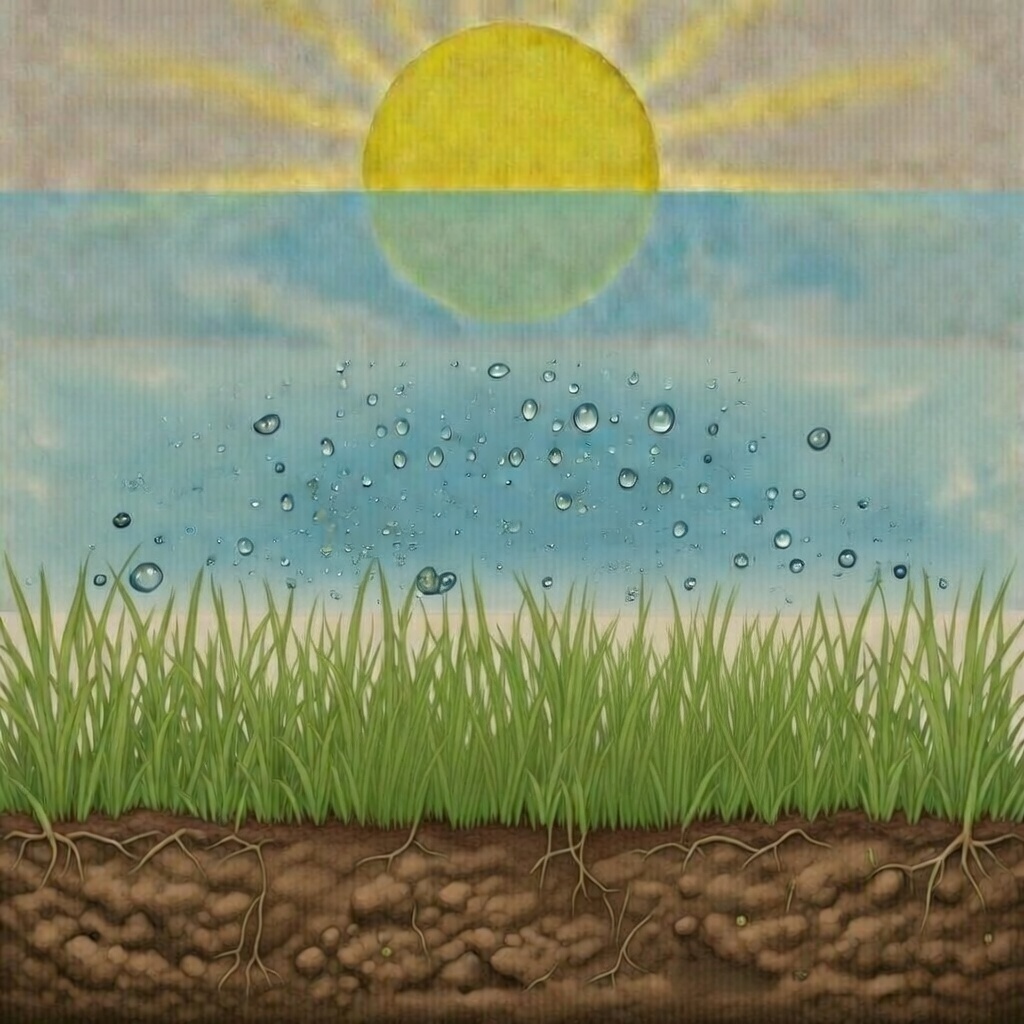
Woke up early this morning thinking about our planet. Of all the things that have to be in place for optimal survival. Not about civilization, government, industry, trade and commerce or even clothing and shelter but basic level survival, like eating, and how good a job we could be doing but aren’t.
For starters, all life depends on sunshine as the basic starting block – our energy source. And some are thinking of blocking it!
Then there’s air. For centuries we have been polluting it and despite massive improvements we still have a long way to go. That’s just what we breathe. At a higher level the upper atmosphere is becoming increasingly congested with space debris that needs cleaning up.
And water. This is where quality really start to go downhill at an alarming rate. From drugs in the water that alter the gender of fish, whole, micro and nano-plastics that get into the food supply and wind up in our brain to chemicals, microfibers, industrial waste and untreated human effluent, the assault on clean, pure water is extensive and increasing. And we haven’t touched on the depleting aquifers and polluting them with fracking chemicals.
Finally, our soil. It has been said that the only thing that stands between us and extinction is 6 inches of topsoil and rain. So as soil is vitally important to preserve life, it deserves a mention. It is of and grave concern to learn that over the last 150 years we have lost 50% of the world’s topsoil.
What with long-term mono-cropping, continually farming crops without full composting, crop rotation and letting fields lie fallow, we are rapidly depleting the ability of soil to grow crops that fully nourish our bodies. And then there is the continued application of chemicals like glyphosate that kill the biodiversity in the soil.
These are all planet-wide problems so you could be forgiven for thinking, “What can I, as one person, do about them? It is too large a problem for me to affect.”
To help you take action on a personal level and give you data so you can advise others I have compiled a list of simple steps you can take, each of which will contribute to a better home for us all.
In no particular order of importance:
Sun
Oppose sun blocking experiments
Air
Don’t smoke or vape.
Buy low VOC paints/cleaners.
Use exhaust fan when cooking.
Walk or bike rather than drive short distances.
If you have a car, keep it well serviced to minimize pollution and waste.
Oppose atmospheric regulation or aerosol weather manipulation.
Water
Fix leaking taps promptly.
Install drip irrigation in your garden.
Use dishwasher and washing machine only with full loads.
Avoid microbead containing products.
Use ecofriendly detergents.
Avoid pouring fats/oils/grease, household chemicals, medications, or pharmaceuticals down drains—dispose properly via collection programs.
Filter your tap water for drinking rather than buying bottled water.
Buy natural fiber (cotton/hemp) clothes rather than plastic.
Before cooking, rinse rice/meat in filtered water to remove microplastics. (I know, does not prevent them from entering the water system but at least you are not eating them.)
Oppose fracking.
Buy from energy suppliers who do not frack if you can find one.
Store food in glass or stainless steel rather than plastic.
Buy more fruit and veggies fresh rather than packaged foods.
Save your produce plastic bags so you can take your own next time.
Support cleanup activities, like Clean Up Australia Day.
Soil
Buy organic where possible/feasible.
Avoid any food containing GMOs.
Buy and use a compost bin for your food waste.
Recycle your grass clippings.
Replace your lawn with a garden.
Grow your own herbs, fruit and veggies where possible.
Avoid chemical fertilizers, use natural alternatives.
If there is a community garden in your area, join it.
If you can, plant more trees personally or encourage others to do so.
Generally
Validate others doing the right thing.
Share stories that inspire and encourage others.
These steps are more or less realistic for most people and compound over time: one person’s changes inspire others, reduce demand on polluting systems, and directly protect local ecosystems that feed into global health.
And lastly, if you would like to help improve your home planet, feel free to share this article.
From your room mate on planet Earth,
Tom Grimshaw