Hey Tom,
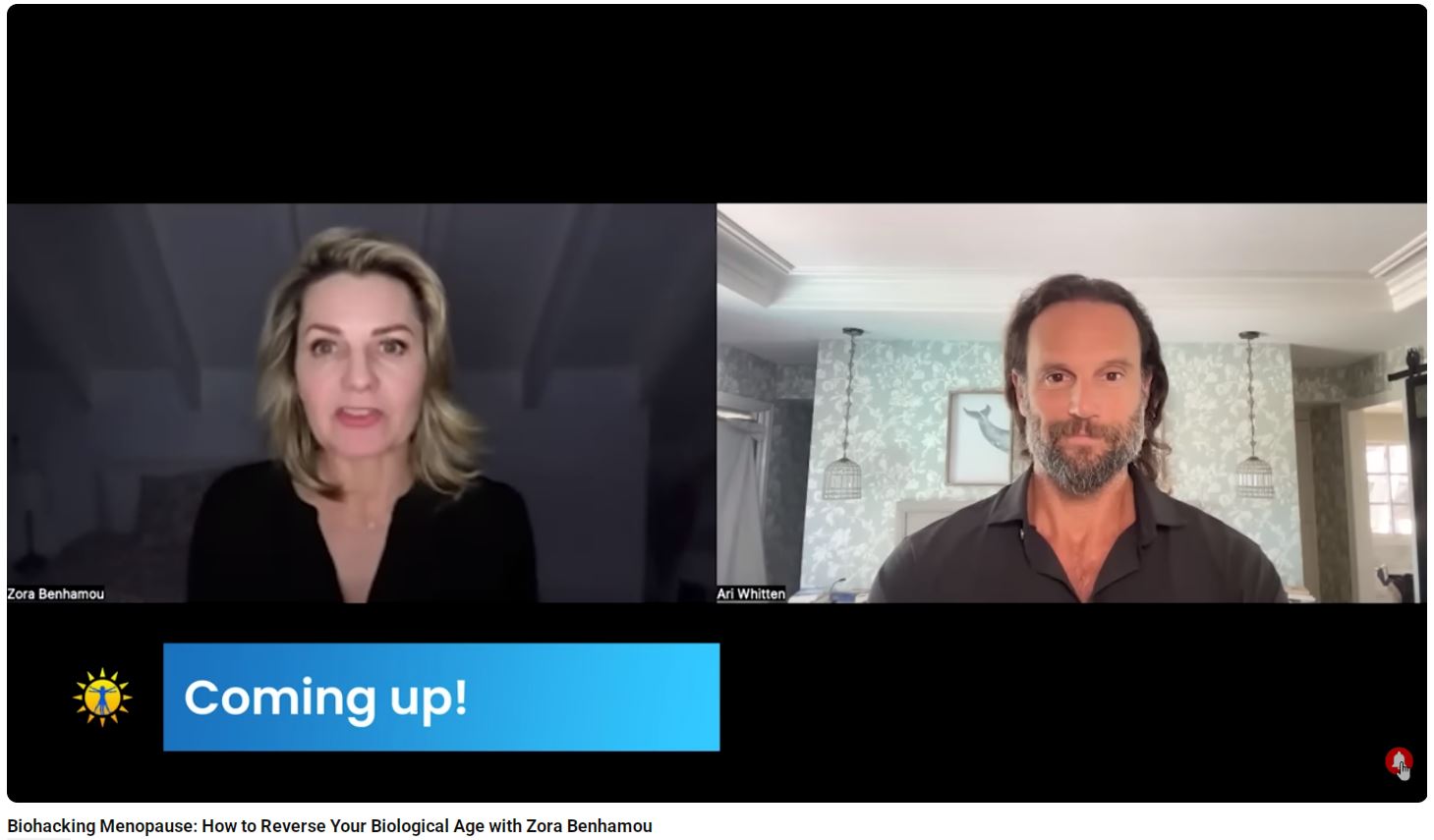
Today, I’m excited to introduce you to Zora Benhamou, a gerontologist who studies aging and has some unique ideas about menopause, based on research and her gerontology background.
In this episode, we discuss her take on menopause, including the fact that it’s technically a one-day event! 12 consecutive months without a period lead to your “meno birth date.” But perimenopause – the stage just before menopause – lasts 5 to 7 years on average (10-15 years for some women!), and that’s where the most difficult symptoms can happen.
The biggest menopause myth is that it’s a concern for older women, that it’s something you don’t need to worry about until you’re 50.
But research shows women start losing progesterone around age 35, the calming, relaxing hormone that makes you feel good. The reality is that women should ideally begin thinking about menopause decades earlier, in their 40s and 50s.
In this podcast, Zora and I discuss:
Women start losing progesterone around age 35—your calming, relaxing hormone. When it decreases, you may get sleep disruptions and anxiety, but doctors give antidepressants instead of considering hormones
There are 103 symptoms of menopause, but most people only think about five: joint pain/“frozen shoulder” is common but rarely related to menopause
30% of people over 65 who have a hip fracture die within a year, and this statistic increases as you get older
Before menopause, men’s cardiovascular disease risk is much higher than women’s, but after menopause, women lose their hormones and have a similar risk to men
The “timing window” for hormone therapy benefits is within 10 years of menopause and before age 60
Hormone therapy done right can completely change women’s lives, but it can also go wrong if the body’s not accepting it, not detoxing well, or the doctor didn’t get the right formula
Some women have “progesterone intolerance”—their receptors don’t take in progesterone—they expect good sleep and less anxiety, but get worse sleep and more anxiety
Dr. Felice Gersh believes oral progesterone may not be good for women, even though it makes them feel good. Zora offers a tip on the best way to use progesterone
Yours in health,
–Ari
Click to view the video: https://www.youtube.com/watch?v=esGQKBbOPss&list=UULFnQo6oCvS6YuvaablyMT_sw