
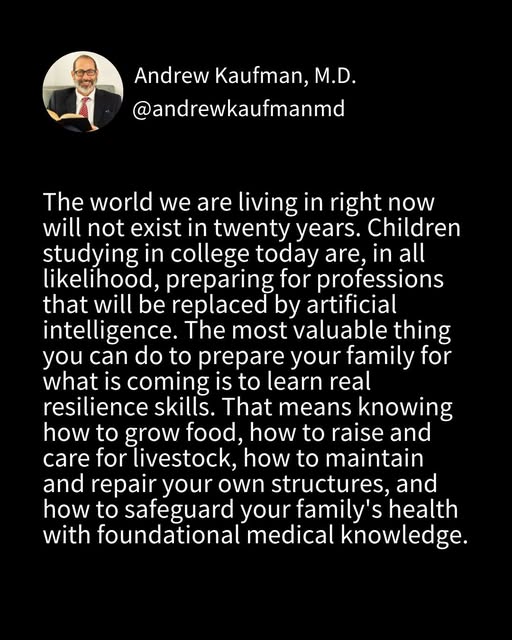
A Daily Checklist
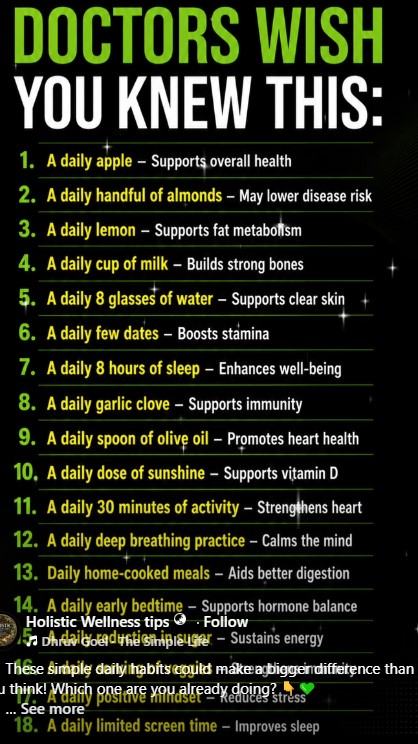
Use It Or Lose It
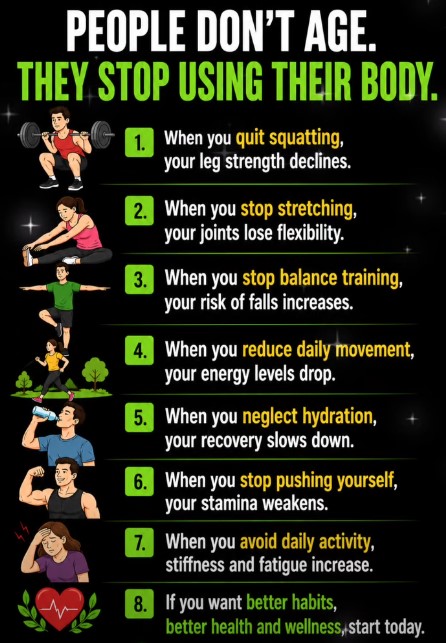
Anti-Cancer Ginger

Ginger has emerged as a promising natural agent in the treatment of gastrointestinal cancers due to its anti-inflammatory, antioxidant, and anti-tumor properties. Research highlights that bioactive compounds in ginger, such as 6-gingerol, 6-shogaol, zingerone, and paradol, can inhibit the growth and spread of cancer cells in colorectal, gastric, liver, pancreatic, and laryngeal cancers.
These compounds work through multiple molecular pathways, including PI3K/Akt, NF-?B, EGFR, and Wnt/ß-catenin signaling, leading to reduced tumor cell proliferation, induction of apoptosis, and suppression of metastasis. In addition, ginger has shown potential in reducing oxidative stress and inflammation, both of which play major roles in cancer progression.
Beyond its direct anti-cancer effects, ginger may also improve the overall effectiveness and tolerability of cancer treatments. Studies suggest that ginger can help reduce chemotherapy-induced side effects such as nausea, vomiting, cardiotoxicity, nephrotoxicity, and neuropathic pain.
Furthermore, combining ginger with conventional chemotherapy drugs or other natural compounds has demonstrated synergistic effects in enhancing cancer cell death and overcoming drug resistance. Advances in drug delivery systems, including liposomes, nanoparticles, and nano-formulations, are also improving the stability and bioavailability of ginger-derived compounds. Although most evidence currently comes from laboratory and animal studies, the findings strongly support further clinical research into ginger as a complementary therapy for gastrointestinal cancers.
PMCID: PMC10701234 PMID: 38077642
Glucosamine
The popular joint supplement glucosamine is linked to a 25% faster progression from mild cognitive impairment to Alzheimer’s disease.
A groundbreaking study published in Nature Metabolism has uncovered a troubling connection between glucosamine—a widely used over-the-counter supplement for joint pain—and accelerated cognitive decline.
Researchers at the University of Florida analyzed 12 years of electronic health records and discovered that patients with mild cognitive impairment (MCI) who regularly took glucosamine were 25% more likely to progress to full-blown Alzheimer’s disease than non-users.
Even more concerning, for individuals already diagnosed with dementia, the supplement was associated with a 25% increase in mortality risk. Because glucosamine easily crosses the blood-brain barrier, scientists believe it feeds into an already overactive protein ‘sugar-tagging’ pathway in vulnerable brains, worsening metabolic dysfunction.
Crucially, researchers emphasize that this risk appears highly specific to individuals whose brains are already undergoing neurodegeneration. In cognitively healthy adults, previous research has actually suggested that glucosamine may have a protective effect. However, with an estimated 40 million glucosamine users in the United States alone—including many seniors who deal with both joint stiffness and cognitive changes—these preliminary findings underscore the urgent need for clinical trials. Until those trials provide definitive answers, experts suggest that individuals with cognitive concerns consult their healthcare providers before continuing their daily joint supplement routine.
Source: Hawkinson, T. R., Gentry, M. S., & Sun, R. (2026). Hyperglycosylation is a metabolic driver of Alzheimer’s disease. Nature Metabolism.
6 Million Americans Disabled Since COVID Vaccine Rollout
Former BlackRock fund manager Ed Dowd on the ~6 MILLION Americans disabled by the Covid jabs
“It’s actually 6 million since the COVID shots rolled out…[and] it’s accelerating now… it’s getting worse”
“[This is based on] the Bureau of Labor Statistics. It’s the survey that’s done every month, and it’s statistically imputed”
“prior to Covid, it was running 30 million the prior four years. Then around February of 2021, right around the vaccine COVID vaccine rollouts, it started to trend way higher”
“we saw at the time what we calculated as a three standard-deviation trend change, meaning… something that happened to the health of the United States population since 2021”
“We’ve added 6 million disabled individuals over the last five years. And we shot up very quickly in the first couple years of the vaccine rollout to 3 million”
“We plateaued for a little bit, then we started making new highs in ’24 and ’25. And in ’25 we hit a high in November of about 36.6 million disabled”
“And then just recently this May, after going sideways for a little bit, we hit a new all-time high”
“this is an indication that the general health of the US population is not getting any better, it’s getting worse. These numbers continue to climb”
“We corroborated this information with our research into the UK disability system, which actually goes into very granular detail on what some of the causes are”
they saw similar increases in their disability payments, which we don’t track in the US but we track just general people identifying as disabled”
“the insurance companies are [also] showing the numbers—they have increasing disability claims. What they’ve done is to paper over the problem. They’ve raised prices. That’s what they do. And so the payouts to disabled people has gone up”
“Insurance companies have just raised prices across the board”
“The US Government’s [also] obviously paying more in Social Security disability payments”
“People who say that it’s not the COVID vaccine point out, Oh, it’s due to illegal immigration. Let me just say that illegal immigrants, while they can be picked up in the survey, tend to avoid any contact with the government, so they tend not to be participants in the survey”
“People say it’s the baby boomers aging. That can explain only a portion of it. You don’t have a 22.5% increase in five years because of a slowly aging population”
“So some of those increases can be explained, but a very small percentage. Something went terribly wrong in 2021. I, obviously, and a lot of people that use their common sense and brain, blame the COVID vaccines, which was an exogenous event that was imposed upon the people of the country through mandates”
“And, if it’s not that, then what is it?”
“And what I find curious is the silence on this disturbing issue. And the silence is from both administrations, unfortunately. The Biden administration and the Trump administration seem not that terribly interested in talking about this.
Watch video:
https://x.com/SenseReceptor/status/2067314619786670091?s=20
The 12 Remedies They Can’t Patent
The simple things, the cheap things, the things your grandma used, don’t get tested. And then the doctor says, “There’s no evidence that the onion works.” But the only reason there’s no evidence is that nobody paid to look. The onion still works. It’s just that nobody’s selling it.
That’s what this essay is about. Twelve simple, cheap things that work, and the medicines that took their place, and why.
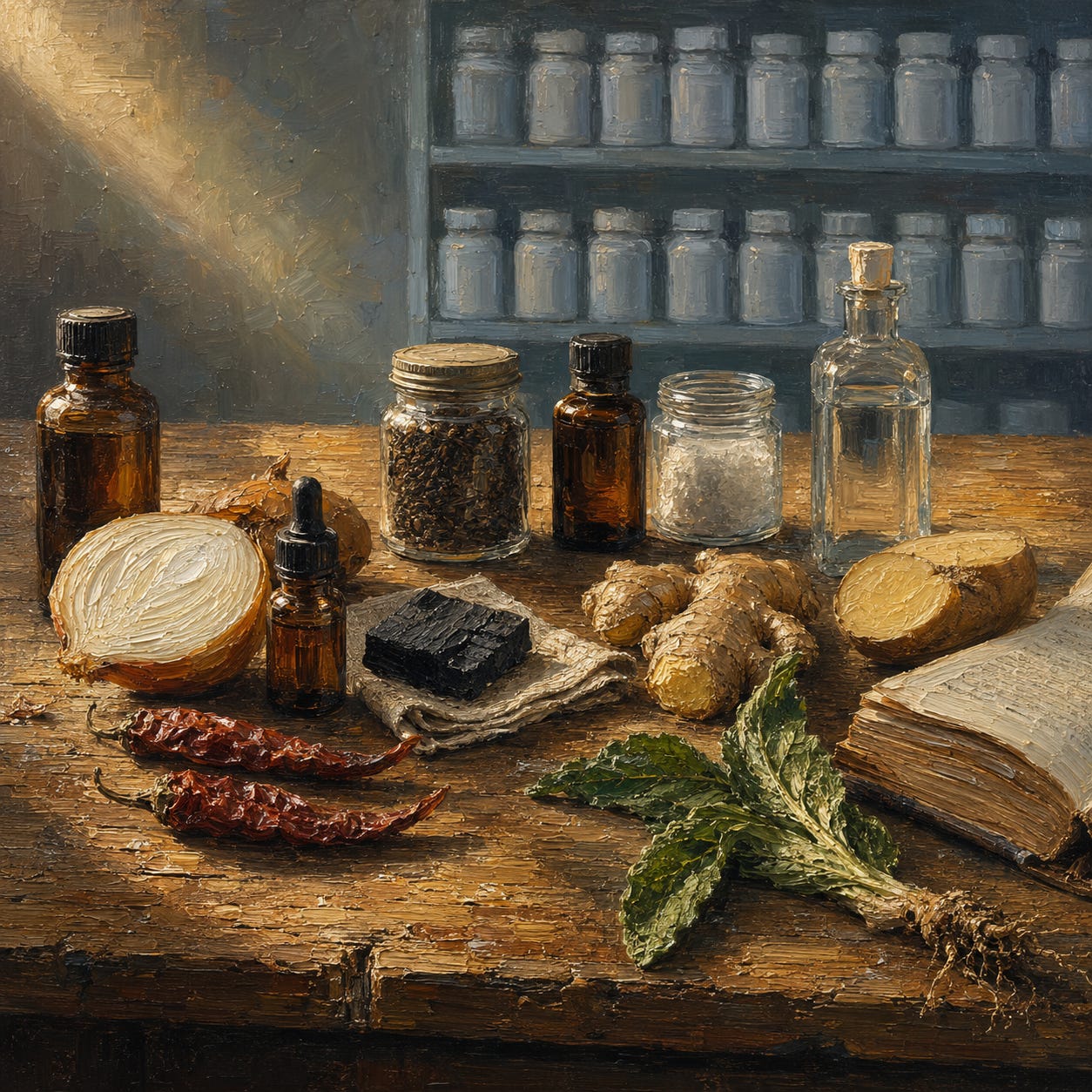
The Draws
Castor Oil
Potato
Onion
Comfrey
The Eliminators
Charcoal
Milk Thistle
Iodine
MSM
The Movers
Cayenne Pepper
Ginger
Hydrogen Peroxide
The Carrier
DMSO
Fortifying the Argument
The closest objection is the one that says: these are anecdotes, not trials. It is the correct objection for some of the twelve and the wrong one for others. There are no large randomised controlled trials of castor oil packs in lymphatic congestion, of onion poultices in otitis media, of comfrey in fracture healing, of cayenne in haemorrhage — those trials do not exist because nobody would pay to run them, and the absence is the evidence, not the disproof. But the claim of blanket absence is itself false. Ginger has been tested head-to-head against ondansetron and held its ground. Silymarin has hundreds of trials behind it and is used intravenously in European hospitals for the deadliest poisoning a liver can face. Charcoal is first-line toxicology in every emergency room. For these, the evidence exists, it is positive, and the neglect persists anyway. That is the more damning finding: where the trials were run, they did not change clinical adoption, because adoption does not track evidence. It tracks ownership.
The second objection, raised against every entry on the warning or banned end, is that the substance is dangerous. Comfrey contains pyrrolizidine alkaloids. Hydrogen peroxide at high concentration is corrosive. DMSO carries co-administered substances into tissue, which means it carries contaminants into tissue too. These are real considerations and the risk profile of each substance should be understood. What is missing from the establishment’s framing is the comparison. The risk of comfrey in its medicinal form has been measured and is minimal at therapeutic dose. The risk of the substances that replaced comfrey (NSAID-induced gastric haemorrhage kills tens of thousands of Americans annually, and long-term corticosteroid use produces a documented catalogue of consequences) is rarely weighed beside the comfrey warning. Risk labels are applied to natural substances and absent from products that have killed far more people.
A third objection, raised against the structure of the case, is cherry-picking. Twelve substances are named here; an honest critic could probably name twelve traditional remedies that do not work, or whose claimed effects do not stand up. The answer is that the twelve here were not picked because they support the argument. They were picked because each has a substantial documented record, each is genuinely cheap, each is genuinely unpatentable, and each has a clearly identifiable patented replacement. The pattern across all twelve is the argument. One coincidence is anecdote. Twelve, across substances unrelated in chemistry and origin, is a structure.
The final objection is that this analysis requires medical or pharmacological expertise. It does not. The patent law is public. The Supreme Court rulings are public. The drug-development cost estimates are published in JAMA and elsewhere. The traditional use of each substance is in books anyone can read. The FDA warnings, restrictions, and approvals are publicly searchable. The argument here rests on documents, not on credentials.
Closing
Twelve substances, unrelated in chemistry, origin, mechanism, or culture of use, sharing one fate.
Castor oil, used since the Egyptian dynasties, sits unmentioned in every pharmacy in the country. The potato slice that drew heat and swelling from inflamed skin, replaced by hydrocortisone. Onion, used by every grandmother in Europe for a child’s earache, replaced by ofloxacin. Comfrey, knitbone, restricted. Iodine, demonised, replaced by a synthetic thyroid hormone marketed for life. MSM, the sulphur the soil lost, replaced by Humira. Ginger, gentler than Zofran, replaced by Zofran. Cayenne, which could stop the bleeding, replaced by an intravenous medication delivered by a trained paramedic in an ambulance. Charcoal, kept in every emergency room, refused everywhere else. Milk thistle, taken seriously in Italian hospitals, ignored in American ones. Hydrogen peroxide, warned against. DMSO, approved for one rare bladder condition out of the hundreds of indications its clinical record covers.
These are not twelve coincidences. The ones that were merely neglected can be explained by oversight, by inertia, by the slow forgetting that follows when nobody talks about a thing. The ones that were warned against, restricted, and prosecuted cannot. Neglect is what happens to what cannot be sold. Prohibition is what happens to what competes with what is being sold.
The FDA has approved DMSO for a single indication. The clinical record of DMSO covers thousands of indications. The difference between the two numbers is not a scientific finding. It is a measure of how dangerous a substance can be to the patented alternatives, before the regulatory machinery moves from indifference to active suppression.
The pattern is the case.
Explain It To A 6 Year Old
When you go to the doctor and they give you medicine, the medicine usually has a name on the box and it usually costs a lot of money. The reason it costs a lot of money is that the company that made it has a special permission from the government saying nobody else is allowed to sell that exact medicine for a long time. So if you want it, you have to buy it from them.
There is a rule about this special permission. You can only get it for things you invented yourself. You can’t get it for things that grew in the ground all by themselves, like an onion, a piece of ginger, a potato, a leaf from a plant, or a mineral that comes out of the sea. So nobody has the special permission for onions, for ginger, for castor oil, for comfrey, for charcoal, for milk thistle, for cayenne, for iodine, for sulphur powder, for hydrogen peroxide, or for the other simple things that used to live in everybody’s kitchen and medicine cabinet.
Before a doctor will say something is a real medicine, somebody has to do a very big and very expensive test on it. The tests cost hundreds of millions of dollars. The only people who can afford the tests are the companies that can sell the medicine afterwards and make all that money back. So the companies test the medicines they own. They don’t test onions. They can’t own onions. They can’t make their money back on onions.
https://unbekoming.substack.com/p/the-12-remedies-they-cant-patent
Australia Released 100 Bilbies Into A Fenced Desert — What They Did To The Earth Changed Everything

In 1912, the greater bilby disappeared from New South Wales. For more than a century, the desert looked unchanged from a distance, but beneath the surface something essential had vanished: one of Australia’s most important ecosystem engineers.
Then, in 2024, scientists released one hundred bilbies into a fenced section of Sturt National Park. What happened next surprised even the researchers studying them.
This video explores the Wild Deserts project, one of Australia’s most ambitious rewilding experiments. After decades of feral cat predation, fox invasions, rabbit overgrazing, and biodiversity collapse, ecologists reintroduced greater bilbies into a predator-managed desert ecosystem to test whether a lost ecological process could be restored.
The results appeared faster than expected. Thousands of bilby diggings transformed the soil surface, increasing water infiltration, trapping seeds, concentrating organic matter, and creating nutrient-rich patches across the landscape. Researchers documented darker soil zones, higher labile carbon levels, increased microbial activity, and measurable changes in ecosystem function within just a few years.
We break down the science behind this transformation: how bilbies act as ecosystem engineers, why their foraging pits function as natural restoration tools, and how rewilding native mammals may help rebuild Australia’s degraded arid landscapes.
• The release of one hundred bilbies into the Wild Training Zone at Sturt National Park
• The appearance of thousands of foraging pits that altered soil chemistry and water retention
• The return of ecological processes absent from the region for more than a century
This channel explores ecological restoration, rewilding, biodiversity recovery, and the hidden species quietly rebuilding ecosystems around the world.
One Reason Why EMFs Are So Destructive

One Reason Why EMFs Are So Destructive
In 2009, Luc Montagnier — the man who discovered HIV — proved that DNA teleports itself through water using electromagnetic signals. He won the Nobel prize then he was exiled from France.
Luc Montagnier won the Nobel Prize in Medicine in 2008 for discovering HIV. He was the most decorated virologist in France. He had spent 50 years at the Pasteur Institute. He was untouchable.
Then he touched the wrong subject.
In 2009, Montagnier conducted an experiment that broke the laws of molecular biology as they are currently taught. He took a sealed test tube containing a fragment of bacterial DNA dissolved in water. He placed it next to a second sealed test tube containing nothing but pure, sterilized water. No DNA. No contamination. Nothing.
He exposed both tubes to a weak electromagnetic field at 7 Hz for 18 hours.
Then he performed PCR amplification on the pure water — the tube that never contained DNA. The water produced a DNA sequence. The same sequence that was in the other tube. With 98% accuracy.
The DNA had not physically moved between the tubes. No molecules crossed the barrier. What crossed was an electromagnetic signal. The DNA in tube one emitted a frequency. That frequency was transmitted through the electromagnetic field into tube two. The water in tube two received the signal and organized itself into the corresponding DNA structure.
DNA teleportation. Through frequency. Through water.
Montagnier published the results. He presented them at conferences. He stated publicly that Benveniste — the scientist destroyed for claiming water has memory — was correct all along. He said the future of medicine is electromagnetic, not chemical.
France turned on him overnight.
His colleagues at the Pasteur Institute distanced themselves. The French media called him a pseudoscientist. The man who discovered HIV — who had been celebrated as a national hero for 25 years — was treated as if he had lost his mind.
Montagnier left France. He moved to China, where Jiao Tong University gave him a laboratory and funding to continue his research. He said in an interview: “I cannot do this work in France. There is a kind of intellectual terror from people who do not understand.”
A Nobel Prize winner. Exiled from his own country. For proving that DNA communicates through electromagnetic frequency and that water is the medium.
Think about what his experiment means. If DNA emits a signal that can be captured by water and reconstructed into a physical genetic sequence, then your body is not just a collection of molecules. It is a broadcasting system. Every cell in your body is transmitting its genetic information electromagnetically into the water that surrounds it. And that water is receiving, storing, and retransmitting the signal to every other cell.
Your body is a self-organizing electromagnetic network that uses water as its communication medium. Disease is not a random breakdown. It is a corrupted signal propagating through a water-based network. Fix the signal. The network corrects itself.
Montagnier knew this. He proved it. He had the Nobel Prize to protect him. And it was not enough.
He died in 2022. The obituaries mentioned HIV. Almost none mentioned the experiment that defined his final decade. The experiment that proved biology is electromagnetic. The experiment that terrified an industry built on the assumption that it is not.
The signal is real. The water remembers. And now, so do you.
A Nobel Prize was not enough to protect the truth. But millions of people sharing it is. Share this now.
RFK Jr On Gates
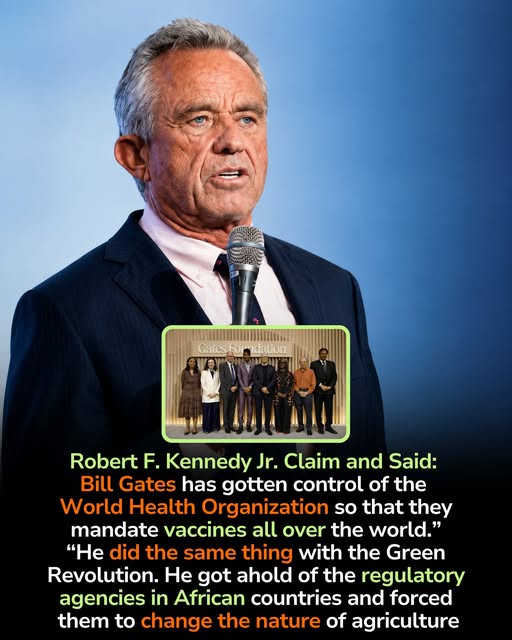
Robert F. Kennedy Jr. has criticized the influence of major philanthropic organizations and wealthy individuals in global health and agricultural initiatives, including comments about Bill Gates and the World Health Organization.
These remarks reflect a broader discussion about the role of private funding in international health programs, vaccine campaigns, agricultural development, and public policy. Supporters of such criticisms argue that large donors can exert significant influence over priorities and decision-making. Others contend that philanthropic funding has helped support disease prevention, vaccine access, and agricultural innovation in regions with limited resources.
It is important to distinguish between influence and control. While organizations associated with Bill Gates have provided substantial funding to global health initiatives, the World Health Organization is governed by its member states, which collectively make policy decisions and set organizational priorities.
Fact: The WHO is an intergovernmental organization whose policies and resolutions are determined by its member countries through formal governance structures.
Source: Public statements, WHO governance documents, global health reports, and philanthropic funding disclosures.
Disclaimer: Statements made by public figures represent their views and interpretations. Claims regarding influence, control, or policy outcomes should be evaluated using official records, governance documents, and multiple independent sources.