
BRILLIANT!

Tom's Blog on Life and Livingness
BRILLIANT!
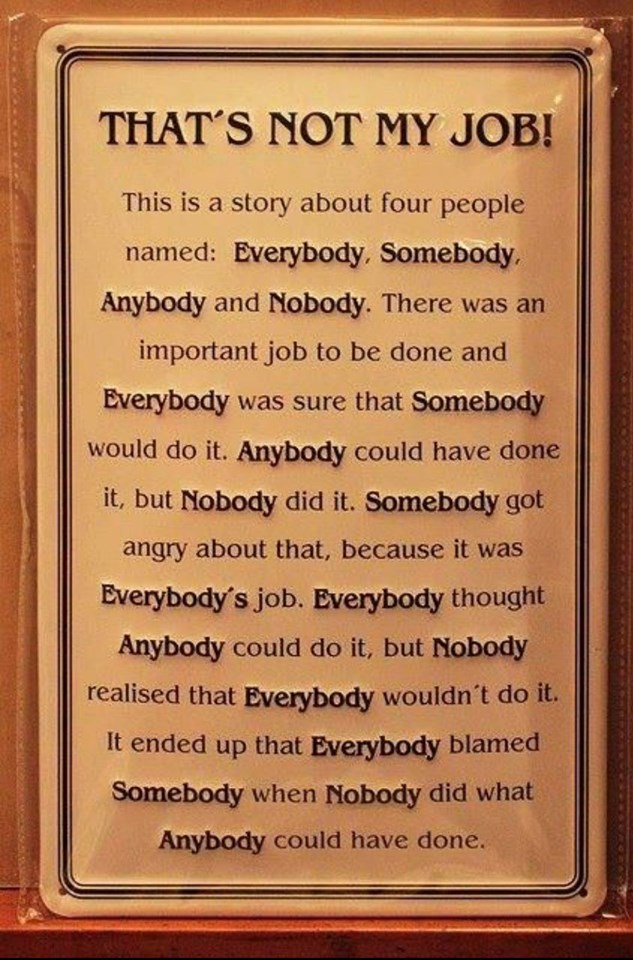
Here is an interesting thought for you. Have you ever sat down and written out what IS your job? What your purpose is, what your objectives are, by what you would like to be remembered?
Here are some of mine as thought starters for you.
To live an ethical, sane, productive, enjoyable and helpful life.
To help those with whom I come into contact to live a happier, healthier, more productive and effective life.
To keep my body in a fit and able condition for as long as I wish to use it.
To set a good example to those in my circle of contacts.
Not by any stretch of the imagination am I perfect at them but I am better than I was and still improving.
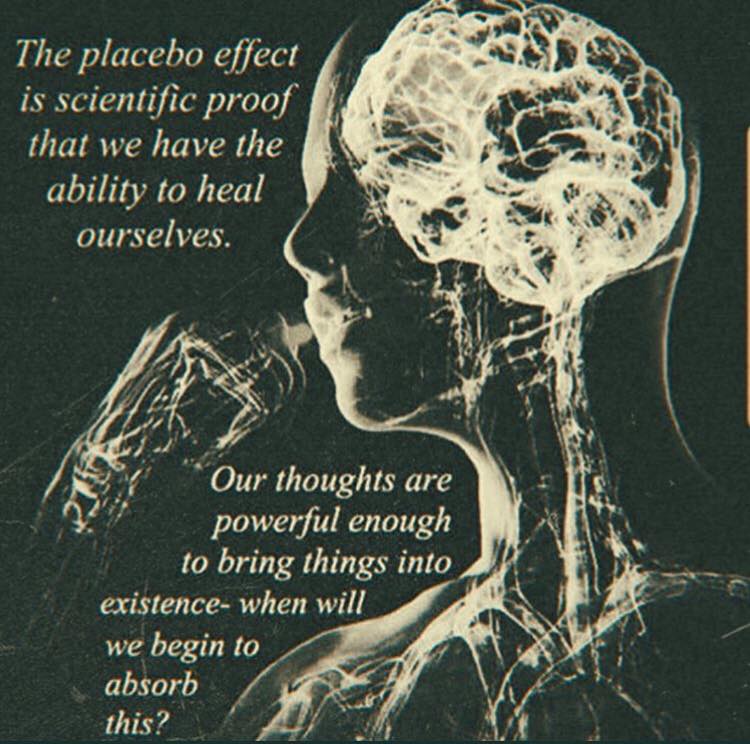
I know, right? This is the elephant in the room that the medical profession have totally ignored for decades! The drug companies only pay researchers for drug tests, not to find how we can heal ourselves!
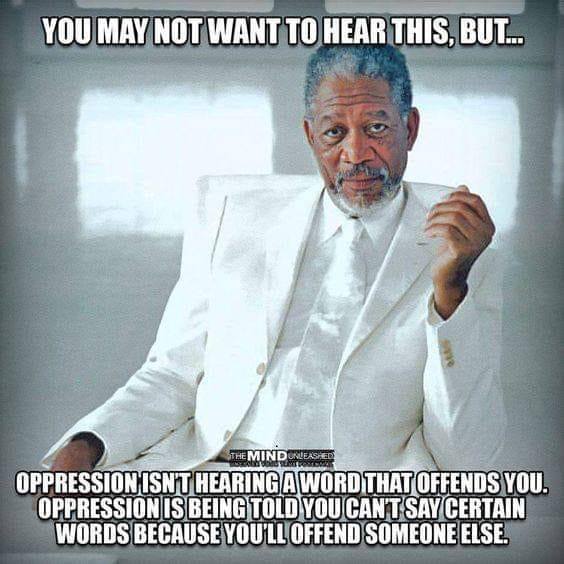


Decide what is important to you and do it!
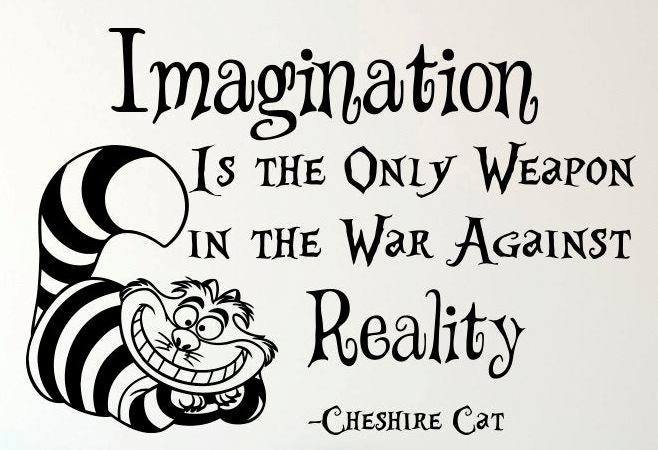
Reality is what we agree is there. Imagination is how you create new realities!

They are very different kinds of beauty, the spirit and the body. Although the uglier (more upset) the spirit, the more they degrade the body.
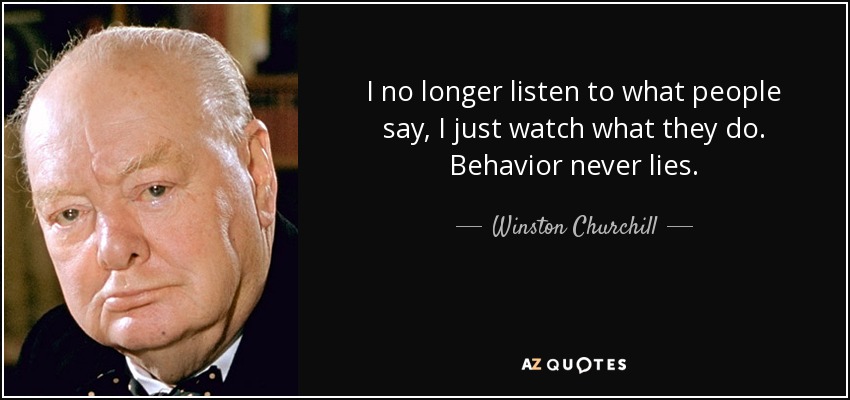
Look don’t listen is a shorter and just as workable version of this.
| Tuesday, 25 June 2019 from 11:00 AM to 1:00 PM | |
| Parliament House East Melbourne, VIC, 3002 Australia |
|
Meeting at Victorian Parliament Steps on Tues 25th June, 11am – 1pm
to demand recognition for the people that psychiatrists have violated, that the state of Victoria has violated. To demand that these violations, inflicted by force via the Victorian Mental Health Act, are exposed, and psychiatric/ mental health products/ procedures and programs no longer be forced on the people of Victoria. Everyone who objects to psychiatric products, procedures, and programs should be allowed the right to refuse, and not be forcibly subjected to harmful, disabling, disfiguring drugs and procedures that are currently being inflicted on people with legislative force. Forced psychiatry has no place in a democracy, forced mental health or forced medicine of any kind fails to comply with signed & ratified international covenants such as the UN CPRD. We meet at parliament steps to speak out against this vile corrupt exploitation racket. We are happy to also meet with people who object to forced psychiatric drugging/ procedures because of: – the destruction of the environment through psychiatric drugs that would not be in the high numbers they are, if forced psychiatry was stopped https://www.abc.net.au/news/science/2018-11-07/melbourne-waterways-pharmaceuticals-pollution-spiders-platypus/10466016?fbclid=IwAR2EtWUUUeKBak9_9NWqZbUQCPQ7CDSJSHLlEUZRocv8CUNHEeQ3WoiEgGo – Because of the pharmaceutical company human trafficking https://www.youtube.com/watch?v=f9i58nLKu-Y&feature=share – Who find it undemocratic that people are being arbitrarily detained by medicos and denied the vote on medico say-so. https://www.abc.net.au/news/2014-01-25/thousands-taken-off-electoral-roll-for-being-of-unsound-mind/5218656?fbclid=IwAR3UFov2271Z0ULGZp8vt0a2v_1HUHsEZaCQ6yPH_skEAfsJjgqt96gWjsM – Recognise the sexism of forced psychiatry (ECT was forced on 700 Victorians last year & at a: 70% women to 30% men ratio) & the racism (Forced psychiatry is three to five times higher for 1st Nations People than for Australians in general.) Many thanks to Canadian friend, human rights defender, for protesting for so many years. He has an e-book that really tells how it is. A gift for you to read to gain strength, and to give to those who cannot get their heads around the atrocity that is happening globally. You can read it here: https://www.madinamerica.com/mad-america-library/?fbclid=IwAR2y24mPgPhLsHiLIp3D-GGKF9cw0huFwUMGELOz-ngCxcoL9-bnScYI9KQ Objectors to Mental Health products, procedures & programs, who are, or have been forced to suffer under this diabolical legislation that is the Victorian Mental Health Act, shouldn’t be called consumers, we are victims of psychiatrists. We are people that must be included, and are not being listened to or recognised as people, not given basic equality before the law. The outrageous discrimination must stop. Victoria must comply with the UN CRPD that Australia has signed & ratified. This farce of a Royal Commission must enable the investigation of Patrick McGorry & Alex Cockram, and other psychiatrists that should not be given positions of authority in our organisations, and certainly not in a Royal Commission into Mental Health, the system of abuse that is perpetrated most horribly by psychiatrists’ orders, and legislated loopholes that allow for these bloody psychiatrists’ violations. Reminder: The Royal Commission into Victoria’s Mental Health System is accepting formal submissions until 5 July 2019. https://rcvmhs.vic.gov.au/submissions Public hearings will commence on Tuesday 2 July at the Melbourne Town Hall Hearing dates and locations Hearings will run from Tuesday 2 July until Friday 26 July. https://rcvmhs.vic.gov.au/Hearings |