

Dr. Mary Bowden on Joe Rogan

Joe Rogan just hosted the most censored doctor in America.
Dr. Mary Bowden exposed what really happened during COVID and the cover-up runs deeper than you think.
Here are 8 shocking takeaways they never wanted you to hear:
1. Hospitals were using morphine to kill without pain.
Dr. Bowden reviewed patient charts showing people with zero pain being given lethal doses of morphine and insulin.
This wasn’t treatment. It was quiet execution by protocol.
2. The Ivermectin smear campaign was planned.
The FDA called it a “horse dewormer” on the same day they launched an $11.5 billion COVID media fund.
Ivermectin won a Nobel Prize. It’s on the WHO’s essential medicines list.
Why was it really banned?
3. Monoclonal antibodies worked too well.
They saved lives – fast.
Some patients recovered within 24 hours.
So what happened?
The government seized control of supply and restricted access.
Not because they didn’t work but because they did.
4. Breathing treatments were banned.
Budesonide (a corticosteroid) helped patients breathe – safely and effectively.
Hospitals banned it, claiming it “spread the virus.”
Dr. Bowden resorted to treating patients in their cars.
5. Medical boards became weapons.
Doctors who challenged the narrative were hunted down.
Dr. Bowden is still fighting the Texas Medical Board-3 years later-for prescribing Ivermectin.
It was never about safety. It was about control.
6. Vaccine injuries are real and ignored.
Dr. Bowden sees 6+ new vaccine-injured patients every week.
Many have 10x higher antibody levels than the unvaccinated-4 years later.
98% of injury compensation claims are denied.
7. Canada offered death, not care.
Over 15,000 people died from “assisted suicide” in Canada last year.
Many were vaccine-injured and abandoned by the system.
Instead of help, they were offered death.
8. 500+ new mRNA shots are coming.
33 of them are “self-amplifying” designed to replicate inside your body.
No off switch. No way to stop them once injected.
Some are already approved in Japan and India.
And If you think this is the whole story, it isn’t.
This is just the beginning of what’s being covered up.
Click to view the video: https://www.youtube.com/watch?v=Ru7BIqXQZns
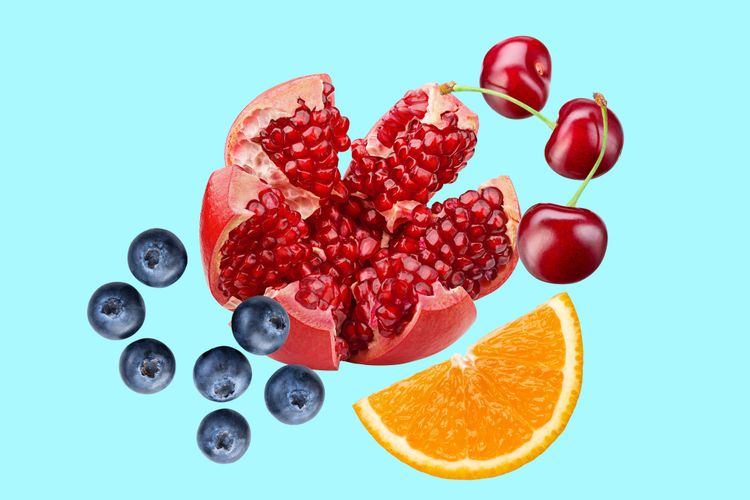
Seven fruits that may help lower cancer risk
Apples
Blueberries
Cherries
Citrus
Grapes
Pomegranates
Strawberries
Read the article for details: https://nexusnewsfeed.com/article/food-cooking/seven-fruits-that-may-help-lower-cancer-risk/
Dr David E Martin On The WHO
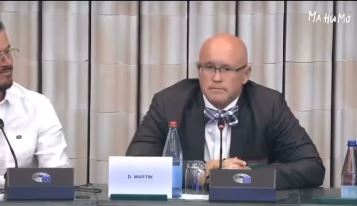
This is the same organisation to which we have just ceded authority in the case of a pandemic.
Click to view the video: https://x.com/its_The_Dr/status/1970302239991316594s
The Cholesterol Killing Conspiracy: How Big Pharma’s $200 Billion Lie Is Killing Us
The Multi-Billion Dollar Deception That Turned Our Most Vital Molecule Into Public Enemy #1
What if everything you’ve been told about cholesterol is not just wrong, but deliberately inverted? What if the very substance demonized by a trillion-dollar pharmaceutical empire is actually essential for your survival—and lowering it is slowly destroying your brain, immune system, and will to live?
For over five decades, we’ve been sold the greatest medical lie in human history. The cholesterol hypothesis—the idea that dietary cholesterol and blood cholesterol are the primary cause of heart disease—has generated over $200 billion in statin sales while systematically poisoning an entire generation.
Read the article: https://sayerji.substack.com/p/the-cholesterol-conspiracy-how-big
Three Great Medical Controversies When the Medical Establishment is Dead Wrong for Decades
Peter A. McCullough, MD, MPH
Sep 23
By Peter A. McCullough, MD, MPH
Please enjoy this full length keynote address by Dr. Peter McCullough at the annual meeting of the Association of American Physicians and Surgeons held in Washington DC on September 14, 2025. The outline of this Chautauqua style presentation is divided into three sections:
I. The first great cocaine epidemic 1860-1920
II. Smokefest 1920-1978
III. Vaccine mania 1986-present
In each example the crisis lasts for decades. Doctors participate in the harmful behaviour or procedure and do not self-correct. It takes many years of heterodox heroes calling out the problem, public outcry, court cases, congressional testimony, rooting out corruption, and finally the medical orthodoxy and citizenry are brought back to baseline which is being free or in the natural state unencumbered from the iatrogenic harm.
As illustrated in the NYT best seller Vaccines: Mythology, Ideology, and Reality, while vaccine ideology had been growing for three centuries, it was after the 1986 Vaccine Injury Compensation Act that removed product liability from immunizations that there was an explosion of new products and intensification of the vaccine schedule for children for which every state in the country has requirements for school based on vaccination status. Sadly, as Dr McCullough points out, with this development there was been was of allergic and neuropsychiatric diseases linked to excessive vaccination. To make matters worse, the autism epidemic appears to be a central driver of the transgender crisis.
Finish reading: https://open.substack.com/pub/petermcculloughmd/p/three-great-medical-controversies
Aluminium Removal From Vaccines Underway
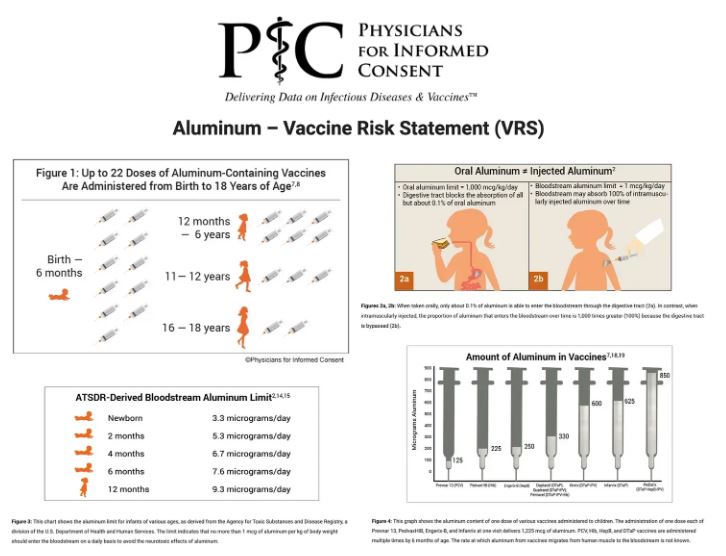
In today’s autism press conference, Trump stated that they will be removing aluminum from vaccines: “We have already taken out and are in the process of taking out mercury and aluminum … You know what aluminum is? Who the hell wants that pumped into a body? … We’re having them taken out of the vaccines.”
Finish reading: https://www.thefocalpoints.com/p/aluminum-removal-from-vaccines-underway
FDA Warns of Dangerous Drug Sold in Stores Nationwide
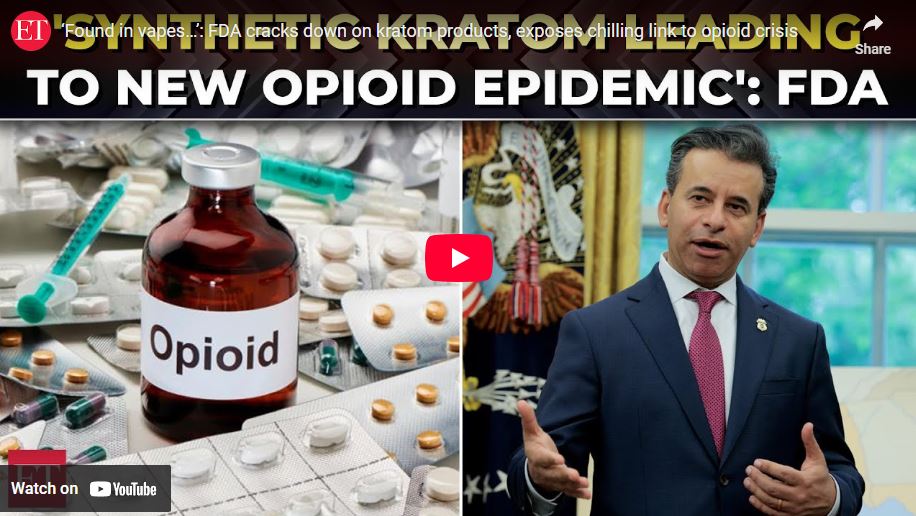
The FDA has issued a nationwide warning about 7-hydroxymitragynine (7-OH), an opioid substance found in some products available in gas stations and convenience stores across the U.S.
7-OH binds strongly to opioid receptors and has been shown to be more potent than morphine, yet it is unregulated, lacks approved medical use, and is often sold without proper safety labeling.
Many 7-OH products are disguised as energy shots or wellness aids, often with bright packaging that looks like candy or juice. This makes them easy to grab, especially for young consumers, and they’re frequently marketed with false claims for pain, anxiety, or mood support.
Most 7-OH products sold in the U.S. are lab-altered or highly processed, delivering doses far beyond what’s found in natural kratom leaves and carrying a much greater risk of dependence and harm.
If you’ve used 7-OH products, tapering gradually, supporting your body with movement, nutrition, and professional guidance helps reduce withdrawal symptoms and support a safe recovery process.
https://articles.mercola.com/sites/articles/archive/2025/09/19/7-hydroxymitragynine-fda-warning.aspx
How To Extend Your Healthy Life
These five tips are some of the 18 Levers for Optimal Health I have in my book, ‘How To Live The Healthiest Life’.
Watch video: https://www.facebook.com/watch?v=1802600370658789
RFK jr On Fluoride
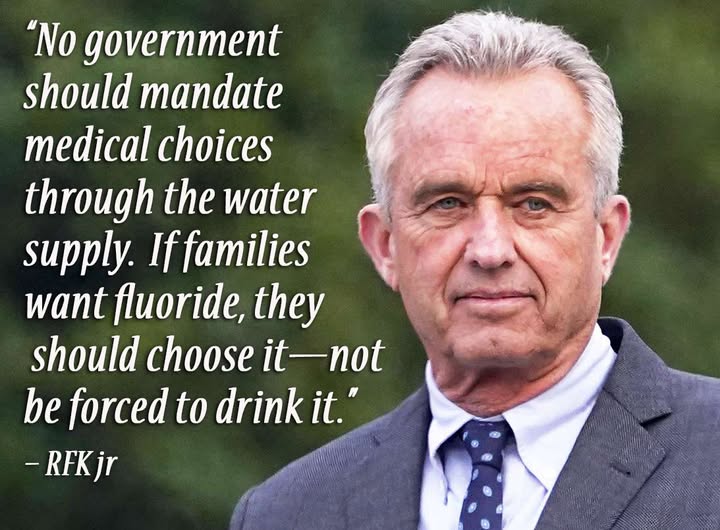
I could not agree more on being able to exercise our freedom of choice.