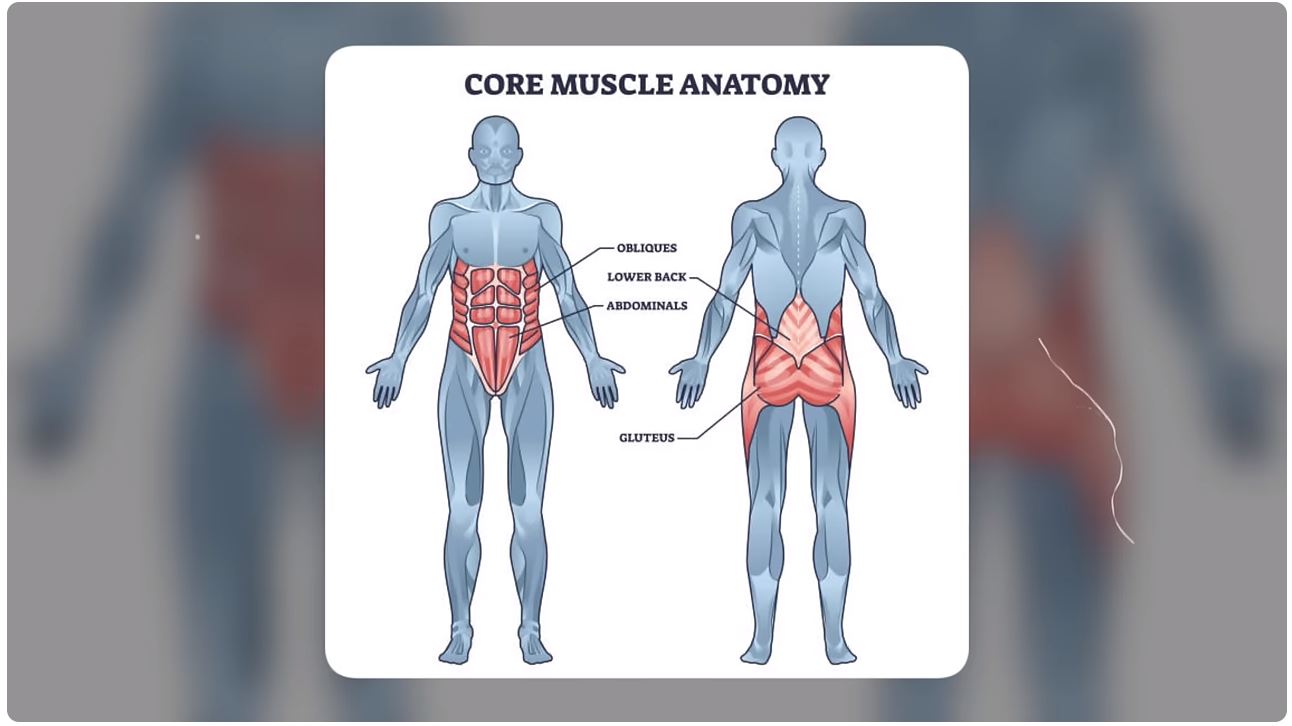
The Gold Standard For Reducing Muscle Loss In The Aged
- Squats
- Crunches
- Lunges
- Push Ups
- Glute Bridge

Tom's Blog on Life and Livingness
The Gold Standard For Reducing Muscle Loss In The Aged
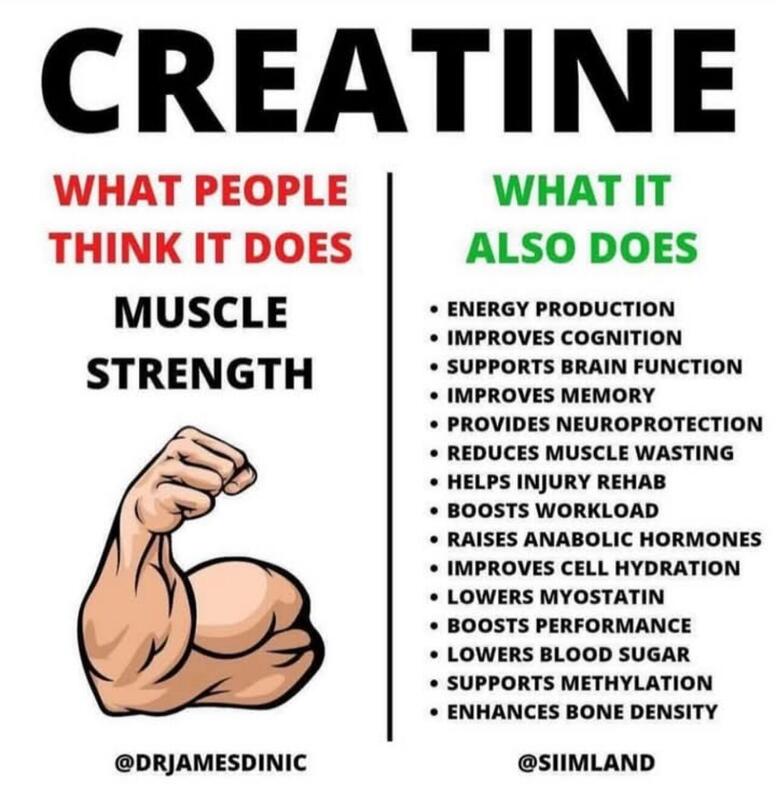
I asked perplexity.ai about this and received the following response:
Based on the available research, creatine has been shown to have several effects on the body. Let’s examine each claim:
1. Increases energy production: Yes, creatine helps produce ATP, the basic form of energy in cells, increasing energy production during high-intensity exercise.
2. Improves cognition: There is evidence that creatine supplementation can improve certain aspects of cognitive function, particularly memory and attention.
3. Supports brain function: Creatine is found in brain tissue and may support brain function by increasing cellular energy reserves.
4. Improves memory: Yes, studies have shown significant positive effects of creatine supplementation on memory function.
5. Provides neuroprotection: While not explicitly mentioned in the search results, this claim is not directly supported by the given information.
6. Reduces muscle wasting: Creatine supplementation, along with resistance training and a balanced diet, may help offset age-related muscle loss (sarcopenia).
7. Aids injury rehab: Creatine may help hasten muscle recovery after strenuous exercise.
8. Boosts workload: Creatine supplementation can enhance performance during high-intensity exercise, allowing for increased workload.
9. Raises anabolic hormones: The search results do not provide direct evidence for this claim.
10. Improves cell hydration: Creatine can draw water into muscle cells, increasing their volume.
11. Lowers myostatin: This claim is not supported by the provided search results.
12. Boosts performance: Yes, creatine has been shown to enhance athletic performance, particularly in high-intensity, short-duration activities.
13. Lowers blood sugar: The search results do not provide direct evidence for this claim.
14. Supports methylation: This claim is not addressed in the provided search results.
15. Enhances bone density: The search results do not provide information on this claim.
In summary, while creatine has been shown to have several beneficial effects, particularly on energy production, exercise performance, and certain aspects of cognitive function, not all of the listed claims are supported by the provided search results. Some claims would require further research to verify their accuracy.
grok.com answered the same question thus:
Let’s verify these claims about creatine based on current scientific understanding. Creatine is one of the most researched supplements, primarily known for its role in energy metabolism, especially in muscle cells, but its effects extend beyond that. I’ll address each claim individually, drawing on evidence and reasoning where applicable.
1. Increases energy production
Yes. Creatine enhances energy production by increasing the availability of phosphocreatine (PCr) in muscles. PCr donates a phosphate group to ADP to regenerate ATP, the body’s primary energy currency, particularly during short, high-intensity activities like sprinting or weightlifting. This is well-established in studies on exercise physiology.
2. Improves cognition
Possibly. Evidence suggests creatine may improve cognitive performance, especially under conditions of mental fatigue or sleep deprivation. A 2018 systematic review in Experimental Gerontology found benefits in short-term memory and reasoning, particularly in vegetarians (who have lower baseline creatine levels). However, effects in healthy, well-rested individuals are less consistent and may be modest.
3. Supports brain function
Yes, to some extent. Creatine is present in the brain and supports ATP replenishment in neurons, which could enhance overall brain energy metabolism. Research, like a 2021 study in Nutrients, suggests it may help in conditions of high energy demand or brain injury, but general “support” in healthy brains is less dramatic than in muscles.
4. Improves memory
Possibly. Some studies, such as a 2003 trial in Psychopharmacology, showed improved memory performance (e.g., digit span tasks) with creatine supplementation, especially in vegetarians. However, results are mixed in broader populations, and more research is needed to confirm consistency.
5. Provides neuroprotection
Potentially. Preclinical studies (e.g., in animal models) suggest creatine might protect against neurodegenerative diseases like Parkinson’s or Alzheimer’s by buffering cellular energy and reducing oxidative stress. Human evidence is limited, so this is promising but not fully proven.
6. Reduces muscle wasting
Yes. Creatine helps maintain muscle mass, particularly during immobilization or aging (sarcopenia). A 2014 study in Medicine% Science in Sports% Exercise showed it reduced muscle loss during limb immobilization when paired with resistance training. It’s widely used in clinical settings for this purpose.
7. Aids injury rehab
Yes. By preserving muscle mass and strength during recovery, creatine can support rehabilitation from injuries. Research, such as a 2007 study in Journal of Athletic Training, indicates it may accelerate recovery in musculoskeletal injuries when combined with exercise.
8. Boosts workload
Yes. Creatine increases the capacity to perform high-intensity workloads by enhancing ATP regeneration. This allows for more reps or greater effort in training, as confirmed by decades of sports science research (e.g., meta-analyses in Journal of Strength and Conditioning Research).
9. Raises anabolic hormones
Partially. Some studies, like a 2009 paper in Molecular and Cellular Endocrinology, found small, transient increases in hormones like testosterone or IGF-1 after resistance training with creatine. However, these effects are minor and inconsistent, so it’s not a primary mechanism of action.
10. Improves cell hydration
Yes. Creatine draws water into muscle cells, increasing intracellular hydration. This volumizing effect is well-documented and contributes to muscle growth and possibly performance, though it’s not the same as systemic hydration.
11. Lowers myostatin
Possibly. A 2010 study in Molecular and Cellular Endocrinology suggested creatine might reduce myostatin (a protein that inhibits muscle growth), but evidence is limited and not widely replicated. This claim remains speculative.
12. Boosts performance
Yes. Creatine is proven to enhance performance in high-intensity, anaerobic activities (e.g., sprinting, lifting). A 2021 meta-analysis in Sports Medicine confirms consistent improvements in strength and power output.
13. Lowers blood sugar
Possibly. Small studies, like one in 2011 from Amino Acids, suggest creatine may improve glucose uptake in muscles when combined with exercise, potentially aiding glycemic control. However, this isn’t a primary effect, and evidence is preliminary.
14. Supports methylation
No strong evidence. Creatine synthesis uses methyl groups (via SAMe), and supplementation might spare methyl donors, indirectly supporting methylation processes. However, this is theoretical, and direct evidence linking creatine to improved methylation is weak.
15. Enhances bone density
Possibly. Some research, like a 2015 study in Medicine% Science in Sports% Exercise, suggests creatine, when paired with resistance training, may improve bone mineral density in older adults. Effects are indirect (via muscle loading on bones) and not universally confirmed.
Summary
– Strong evidence: Increases energy production, reduces muscle wasting, aids injury rehab, boosts workload, improves cell hydration, boosts performance.
– Moderate evidence: Improves cognition, supports brain function, improves memory, provides neuroprotection, raises anabolic hormones (minor), lowers blood sugar, enhances bone density.
– Weak/speculative evidence: Lowers myostatin, supports methylation.
Creatine’s core benefits are tied to energy metabolism and muscle function, with emerging but less certain effects on the brain and other systems. If you have a specific list you’d like me to cross-check further, feel free to share it!

Some simple, easy exercises to get rid of underarm flab.

Written By: Courtney Craig
With over a million Americans diagnosed Chronic Fatigue Syndrome it is important to identify natural solutions to alleviate suffering….
Chronic Fatigue Syndrome, or CFS, is a serious illness with a terrible name.
CFS has been described as the flu that never goes away. Throughout the rest of the world, CFS is more accurately named Myalgic Encephalomyelitis, or ME. Many patients and clinicians have now adopted the combined term ME/CFS, with the belief that the name Chronic Fatigue Syndrome has the potential to cause harm to patients. Labeled with this diagnosis, patients are frequently dismissed from doctor’s offices under a psychiatric cloud, or erroneously told to exercise back to health. However, the defining characteristic of ME/CFS that differentiates it from other conditions, depression included, is post-exertional malaise. A simple bout of mental or physical activity can trigger flu-like symptoms in patients with lasting effects.
Imagine a trip to the mailbox being enough to confine you to bed for the rest of the day … or longer.
Despite growing numbers stricken -1 million Americans – research funding for the disease has remained paltry for nearly 3 decades. Many in mainstream medicine still do not accept the illness as organic, and all too often malign it with psychosomatic or conversion disorders. Worse still, many patients are not accepted by family or loved ones.
Is it any wonder then that a leading cause of death in this group of patients is suicide?
Fatigue alone does not even begin to describe what a patient with ME/CFS experiences on a daily basis. Lack of understanding leads to onlookers assuming laziness, de-conditioning, or simply over-work. Yet, the fatigue felt has been compared to the level of fatigue experienced by end-stage cancer or HIV/AIDS patients. Severely debilitating symptoms afflict those with the illness: cognitive problems, pain, irritable bowel, autonomic dysfunction, sleep disturbance … the list goes on. The larger impact of this illness is that disability due to ME/CFS is estimated to cost $9.1 billion in lost productivity every year in the US.
Research has not been able to pinpoint the exact cause or trigger for ME/CFS. A diagnostic marker remains elusive. However, many unique physiological signatures have been determined. As an example, abnormal cytokine and immune cells are hallmark findings. Certain cytokine patterns are thought to drive sickness behaviors and contribute to hypersensitivity to pain. Most patients also have limited natural killer (NK) cell number and function. This finding may be associated with increased rates of certain cancers in patients as well as harboring of opportunistic infections. Finally, patients have limited cardiopulmonary capacity and blood flow irregularities. These findings may explain the intolerance to exercise and depressive symptoms due to poor cerebral profusion.
Is It Autoimmune?
While not classically defined as an autoimmune disease, there are striking similarities between ME/CFS and conditions such as Multiple Sclerosis. In fact, as many as 60% of patients have a comorbid autoimmune diagnosis. The chronic or recurring viral infections common in many patients can induce autoimmunity by molecular mimicry and bystander activation. Similar to autoimmune conditions, viruses can flip a switch on the immune system leading to loss of “self” recognition. Others note the onset of illness following a vaccination, suggesting an autoimmune (auto-inflammatory) syndrome induced by adjuvants.
Is It In The Cells?
Many ME/CFS patients mind their mitochondria — the vitally important energy supply house of the cell. Numerous studies have demonstrated mitochondrial insufficiency in patients which is likely due to a vicious cycle of oxidative stress. Inflammatory cytokines and other immune cells propagate reactive oxygen species that damage cellular membranes, myelin, and mitochondria. As a consequence, studies have noted severely depleted CoQ10 in patients suggesting mitochondrial dysfunction. This finding also supports the epidemiological evidence that ME/CFS patients are more prone to develop cardiovascular diseases, since CoQ10 is vital for heart health. Some reports have found congestive heart failure can occur 25 years earlier in ME/CFS patients than in the general population.
Is It In The Brain?
Advanced imaging studies in ME/CFS found widespread neuroinflammation in several key brain regions including the cingulate cortex, hippocampus, amygdala, thalamus, midbrain, and pons. Inflammation in these areas was 45%-199% times higher in ME/CFS patients than in healthy controls. Interestingly, the degree of neuroinflammation directly correlated with symptom severity. Larger studies are underway to determine which inflammatory marker is driving the vicious cycle of inflammation. At the moment, all eyes are on leptin. Leptin measured daily in a small cohort of patients was found to correlate with the degree of neuroinflammation. This inflammatory molecule released from fat tissue, can activate microglia in the brain which promotes neuroinflammation.
Still other studies have shown that ME/CFS patients have reduced white matter and abnormalities in gray matter, potentially offering additional clues to explain the cognitive difficulties and brain fog patients endure. Lastly, a recent study showed reduced Brain-Derived Neurotrophic Factor (BDNF) in ME/CFS patients that was far greater than in MS patients suggesting an obstacle in neurogenesis and plasticity.
Is It In The Gut?
Acclaimed virus hunter Dr. Ian Lipkin has launched a crowd-funded project to study the microbiome in ME/CFS. Putting aside the idea of viral etiology, Lipkin and his team at Columbia hope to find a unique dysbiotic signature in these patients (http://www.microbediscovery.org/). An exciting 2013 study in Belgian and Norwegian patients, found altered intestinal microbiota that may be linked to the pathogenesis of the illness.
Other researchers are also thinking about the role of the gut in this illness. A seminal paper from 2014 proposed that the latent viral infections harbored by ME/CFS patients can have major effects on cognitive function due to translocation via the vagus nerve. Could it be that viruses or bacteria harbored in the digestive tract of ME/CFS patients can exert effects on the brain using this cranial nerve as passageway?
How To Intervene
Just because ME/CFS remains a medical mystery should not suggest patients have no options for symptom relief. Without a FDA-approved medication for the illness, many patients look to integrative and functional medicine doctors to manage their most severe symptoms. With the information currently available, evidenced-based interventions can be applied.
It Starts With Food
Undoing the cycle of inflammation can be best addressed by starting with an anti-inflammatory diet. This may provide modest relief of pain or fatigue in many patients. A nutrient-dense diet also provides abundant cofactors to promote energy production at the cellular level. Gut healing dietary strategies can also be utilized to ensure intestinal integrity and immune function. Many patients eliminate known gut irritants such as gluten, dairy, alcohol, and refined sugars.
Smart Supplementation
Seldom is diet alone sufficient to make a substantial impact on severe ME/CFS. Most patients rely on a suitcase of supplements with the hope of finding the right combination. While research is slim in this arena, evidence grows for the need for mitochondrial nutrients as well as basic vitamin and mineral cofactors. One study showed significant improvement with just 2 months of supplementation with a multivitamin/multimineral.
Immune boosting nutrients are commonly utilized to support a healthy immune response, prevent viral reactivation, and improve NK cell function. These include such nutrients as transfer factors, medicinal mushrooms, and curcumin. Anti-inflammatory nutrients are also indicated including omega 3 oils, vitamin D, and antioxidants like resveratrol and EGCG.
Mind and Body
Few can relate to the hopelessness that comes from living with a chronic illness for decades. Patients wrestle with the bleak reality that they may never completely recover. Finding hope through healthy attitudes and habits is of vital importance for these patients. Learning to say no, allowing adequate time for rest, and carefully pacing throughout the day are the norm for a patient with ME/CFS. Cultivating acceptance and practicing mindfulness provide other tools patients can use to cope. Mindfulness meditation is now accepted as a practice that can impact brain health and reduce the physiological stress response. Mind-body practices help many patients achieve better sleep and promote a deeper level of healing.
Editor’s note: this excellent review did not identify the role of retroviruses in CFS/ME syndrome. For a deeper appreciate for their role in the pathogenesis of CFS/ME read the book Plague, or listen to Greenmedinfo.com founder Sayer Ji’s interview of its co-author, Judy Mikovits, PhD, on Fearless Parent Radio.
© January 12th 2015 GreenMedInfo LLC. This work is reproduced and distributed with the permission of GreenMedInfo LLC. Want to learn more from GreenMedInfo? Sign up for the newsletter here www.greenmedinfo.com/greenmed/newsletter.
https://nexusnewsfeed.com/article/health-healing/a-primer-on-chronic-fatigue-syndrome/
MSG is a toxic food additive that many report causes headaches.
Aspartame/NutriSweet/Equal accounts for 75% of the adverse reactions reported to the FDA.
Sucralose/Splenda is an artificial sweetener that is also linked to mental function loss.
Avoid foods that contain the enzyme Diacetyl which is an ingredient added to many processed foods to add flavour.
Microwave popcorn has been linked to Alzheimer’s. The chemical added to make it taste buttery crosses the blood/brain barrier to cause amyloid proteins, the tell tale marker of Alzheimer’s.
Bacopa
Ginkgo Biloba
Acetylcholine
Huperzine from Club Moss
Phosphatidylserine
“A diet rich in whole foods and low in processed ingredients is fundamental to sustaining optimal health and preventing chronic disease.” – Drewnowski & Specter, 2004, American Journal of Clinical Nutrition, 79(1), 6-16

Reaching 70 is a milestone, but true success lies in maintaining key abilities that define a fulfilling life. If you can still think critically, stay physically active, nurture relationships, keep learning, contribute meaningfully, and find joy in everyday moments, you’re truly winning. Inspired by Jordan Peterson’s wisdom, this motivational speech emphasizes resilience, purpose, and self-improvement. Life isn’t just about longevity but about staying engaged, strong, and mentally sharp. Aging well means embracing challenges, adapting to change, and continuing to grow. If you can do these six things, you haven’t just lived long—you’ve lived well. Keep pushing forward!

an Earth Air Tunnel (EAT) system, a passive cooling and ventilation technique that utilizes underground pipes to regulate indoor temperatures. Hot air at 35°C is drawn into a wind tower or wind catcher, where it passes through an underground pipe system at a minimum depth of 2 meters. As the air moves through the tunnel, the earth’s stable temperature cools it to 25°C, providing natural air conditioning. The cooled air is then distributed into the house, creating a comfortable indoor climate. Warm air inside the home is expelled through vents, maintaining continuous airflow and preventing heat buildup. This system is energy-efficient, reducing reliance on mechanical cooling methods like air conditioning. It is particularly effective in hot climates, offering sustainable temperature regulation with minimal energy consumption.

While the author shares some valid data and makes good recommendations, I believe he misunderstands the concept of intuition. (Intuitive: using or based on what one feels to be true even without conscious reasoning; instinctive.)
A being is intuitive, a piece of matter, such as a body part, is not. There are biochemical signals that produce a variety of reactions in the gut. No little man down there “feeling” or being intuitive.