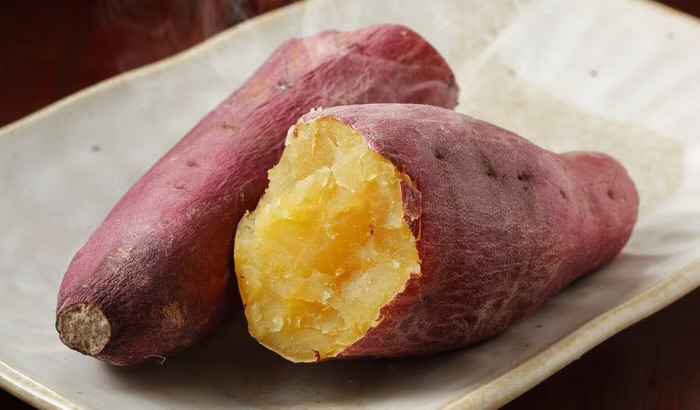
The list:
Sweet Potato
Eggplant
Broccoli
Radish
Tomato
Pumpkin
Pomegranate
Turmeric
For more data on them:
https://viralstrange.com/8-foods-that-help-eliminate-cancer-cells/#

Tom's Blog on Life and Livingness
The list:
Sweet Potato
Eggplant
Broccoli
Radish
Tomato
Pumpkin
Pomegranate
Turmeric
For more data on them:
https://viralstrange.com/8-foods-that-help-eliminate-cancer-cells/#

For thousands of years, bread has been essential to human nutrition — a dietary staple enjoyed daily across countless cultures, likely because flour could be stored year-round, ensuring a reliable food source during times of scarcity.
In fact, our ancestors ate bread in quantities that would surprise many modern eaters. According to household guides from the 1880s, the average adult man was expected to consume a remarkable 16 pounds of bread per week, while women consumed about 8 pounds weekly. That’s over a pound of bread a day!
Today, bread has a very different reputation. Once considered a fundamental food, it’s now often avoided and can cause various health problems — from bloating and brain fog to more serious conditions like celiac disease and non-celiac gluten sensitivity. But what changed? Is bread itself the problem, or is there more to this story?
As a Note: I am not writing this article to convince you to eat bread. Instead, I write this in hopes to reduce food fear in this (sometimes toxic) modern health space. It is a lot more empowering to better understand the WHY behind certain things, instead of arbitrarily labeling food as BAD or GOOD.
Our love affair with bread is ancient — dating back thousands of years when early civilizations first ground wild grains and mixed them with water to create rudimentary flatbreads. Bread is deeply embedded in sacred texts, rituals, and traditions, symbolizing sustenance, community, and faith across cultures.
The Egyptians, for example, played a pivotal role in the evolution of bread-making around 5,000 years ago, likely discovering leavened bread through wild yeasts fermenting dough left exposed to the elements. This discovery revolutionized human nutrition and led to sourdough fermentation becoming the dominant bread-making method across cultures.
Unlike modern methods, traditional bread-making wasn’t focused on speed or shelf-life — it prioritized nutrition, digestibility, and flavor through time-tested techniques.
For more information on fermenting, additives, glyphosate, gluten, seed oils, continue reading: https://organicconsumers.org/the-truth-about-bread-why-your-ancestors-could-digest-it-and-why-you-might-not/


“We don’t stop playing because we grow old; we grow old because we stop playing.” – George Bernard Shaw, Dramatist (1856 – 1950)


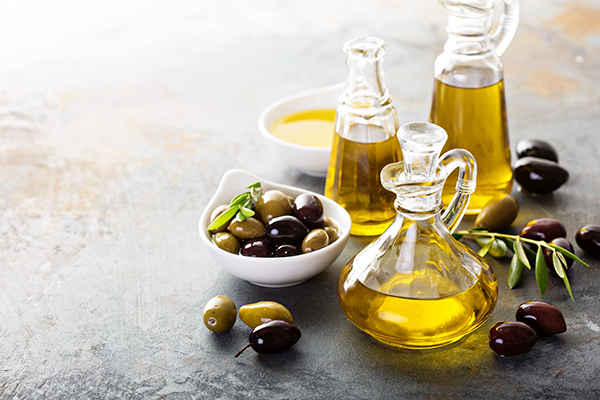
The olive, scientifically known as Olea europaea, is a small but mighty fruit that has been revered for centuries as a symbol of peace, wisdom and vitality. Commonly referred to as the European olive, this ancient superfood is celebrated not only for its rich flavor but also for its impressive nutritional profile and health benefits.
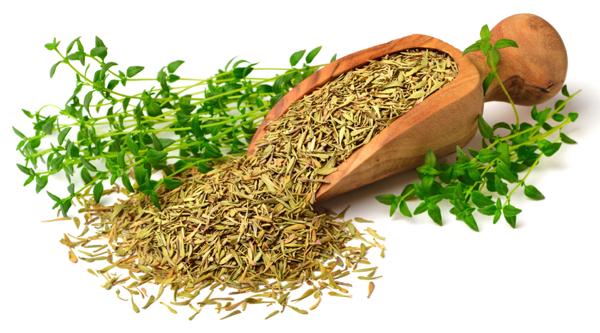
Thyme (Thymus vulgaris), a humble yet powerful herb, has been a cornerstone of culinary, medicinal and cultural traditions for millennia.
Native to Eurasia and North Africa, this aromatic member of the mint family has transcended its origins to become a global staple. With its rich history, potent phytonutrients and versatile applications, thyme is more than just a kitchen herb — it’s a wellness powerhouse.
Thyme has been used for thousands of years by various cultures, from ancient Egyptian embalming practices to Greek and Roman rituals. It symbolized courage in the Middle Ages and was used medicinally for respiratory and digestive issues. Today, it is cultivated globally, with major producers including Spain, France and Morocco.
Thyme is rich in bioactive compounds like thymol, carvacrol and flavonoids, which provide antioxidant, anti-inflammatory and antimicrobial properties. It supports respiratory health, boosts immunity, aids digestion, reduces oxidative stress and promotes skin health.
Beyond its culinary uses, thyme can be consumed as tea, used in tinctures, essential oils or poultices, applied topically for skin conditions or inhaled for respiratory relief. Its adaptability makes it a valuable herb for flavoring foods and healing the body.
Thyme’s earthy, slightly minty, peppery flavor can enhance a wide range of dishes, from roasted meats and soups to infused oils and cocktails. Its versatility makes it a staple in kitchens worldwide.
Thyme has unique cultural associations, such as being linked to fairies in the Victorian era and used in perfumery and battlefield antiseptics. Thyme honey is prized for its flavor and medicinal properties, and the herb’s name originates from the Greek word meaning “to fumigate.”