“The best way to resolve any problem in the human world is for all sides to sit down and talk.” – Dalai Lama (born 1935)
Quote of the Day
“When a great moment knocks on the door of your life, it is often no louder than the beating of your heart, and it is very easy to miss it.” – Boris Pasternak – Writer (1890 – 1960)
Validation – Short Film (15 min)
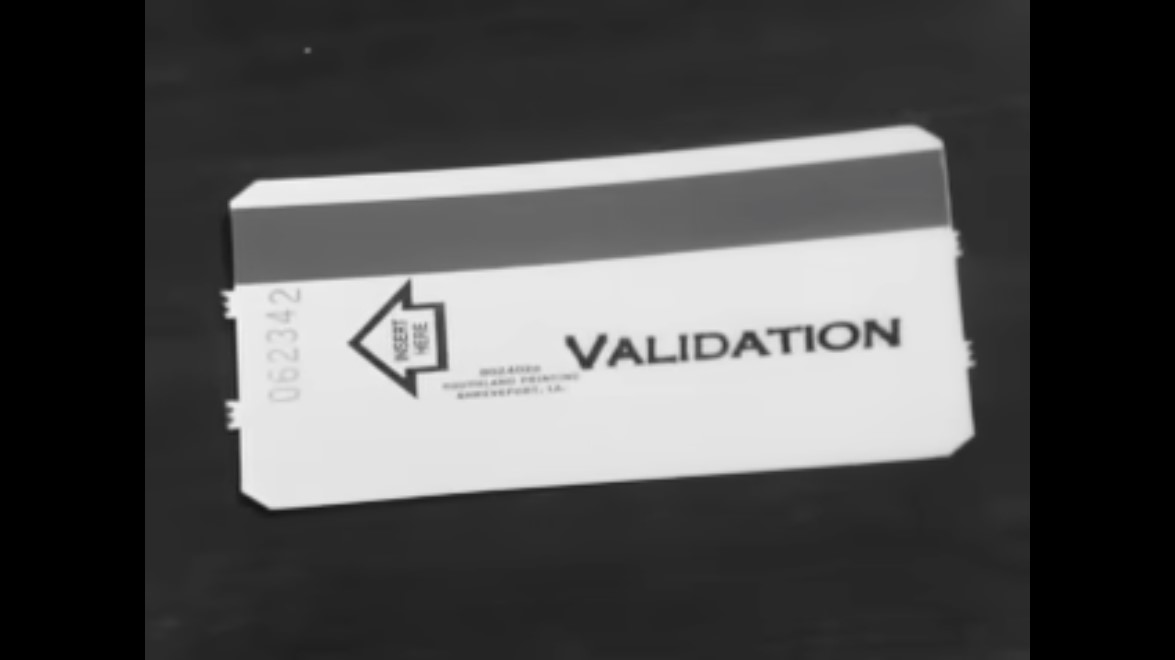
A short film about the magic of looking for the best in people. This movie has played at 34 film festivals worldwide and won 17 awards.
Planet Earth
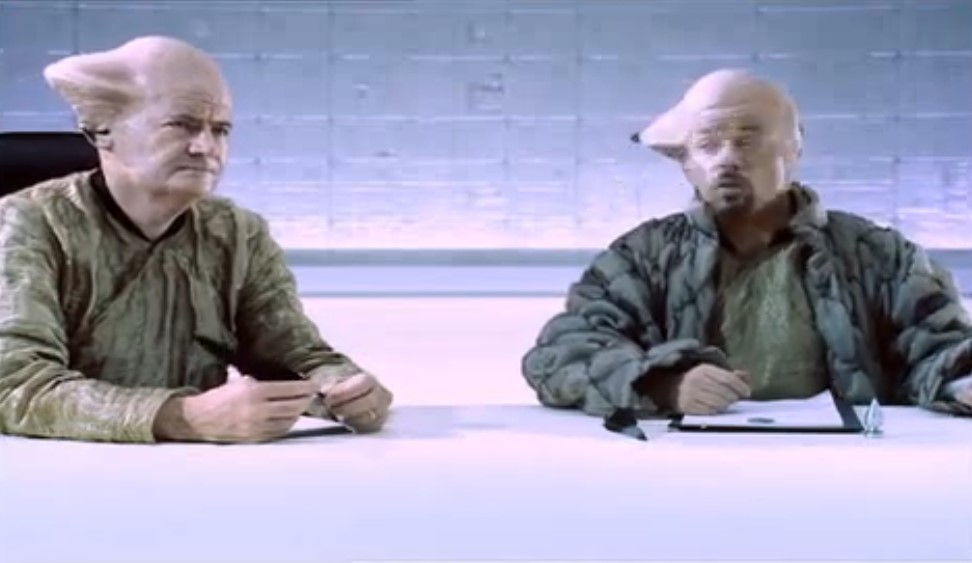
In a galaxy far, far away, the board of the Tripartium corporation meet to decide the fate of planet Earth. A clever, funny, thought-provoking ad.
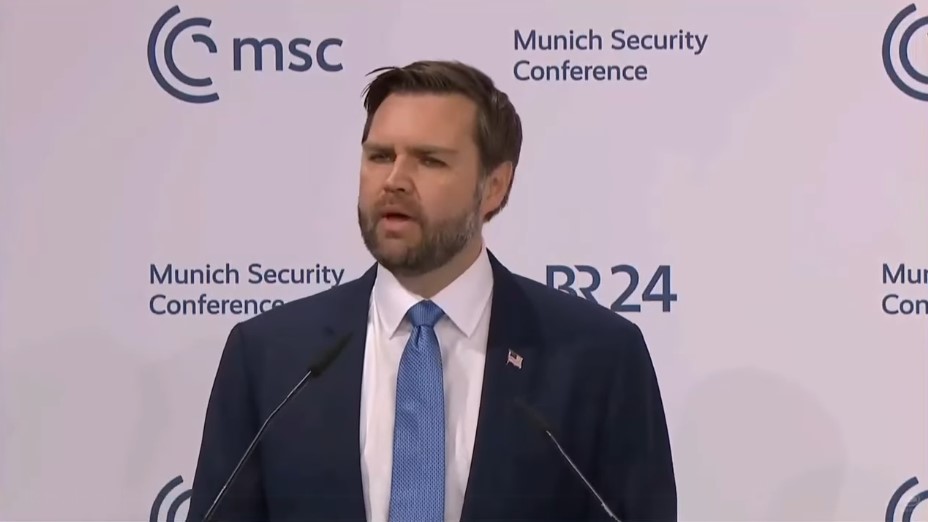
US Vice President, JD Vance takes a bold stance on free-speech in front of European political leaders.
The Question: Unlock the Answers Within You – Scientology Super Bowl 2025
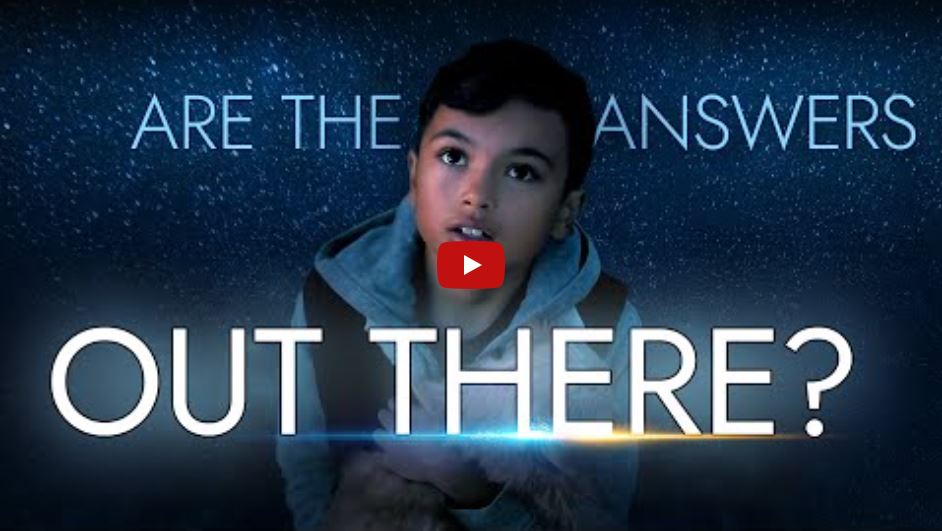
For centuries, humanity has searched for the answers to life’s biggest questions. What if the key to unlocking the universe’s greatest secrets wasn’t out there—but within you?
https://www.flixxy.com/the-question-unlock-the-answers-within-you-scientology-super-bowl-2025.htm
Unlock the Answers Within You
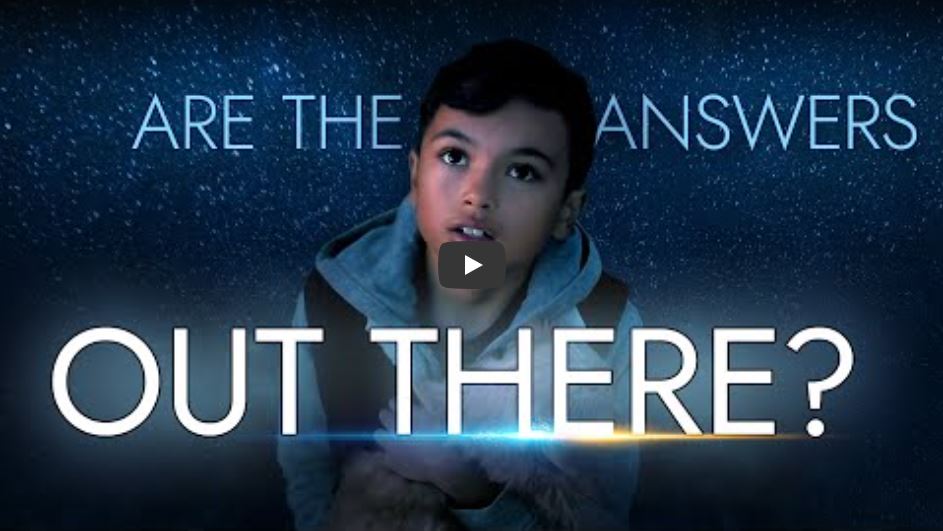
For centuries, humanity has searched for the answers to life’s biggest questions. What if the key to unlocking the universe’s greatest secrets wasn’t out there—but within you?
https://www.flixxy.com/the-question-unlock-the-answers-within-you-scientology-super-bowl-2025.htm
Cancel the Naysayers
The Joyful Gardener
Facebook/Gab/Instagram/MeWe/Quora/Substack/Twitter
The Joyful Gardener
Ocean Robbins writes:
Hi Tom,
Gardening can be great for your mental and physical health.
Not to mention that you can grow the healthiest, freshest, most nutrient-packed, and delicious superfoods on the planet!
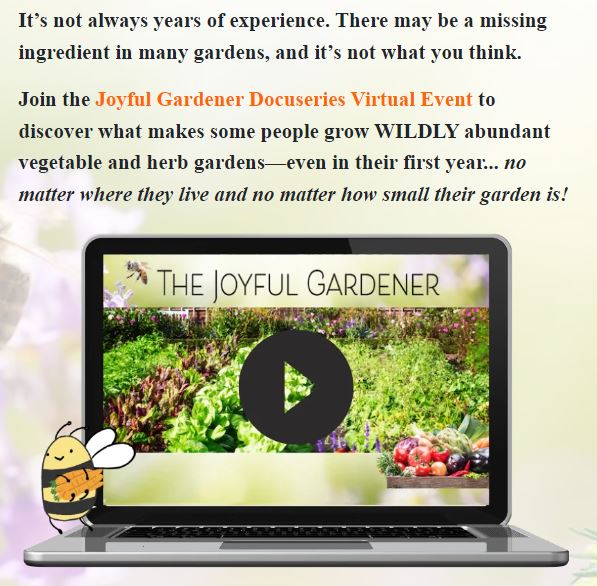
My friend Stacey Murphy is hosting an eight-part docuseries, The Joyful Gardener, that will show you how to grow thriving gardens in ANY space, no matter your level of experience.
This free virtual event will share:
Why gardening is powerful medicine for your mind and body.
Secrets to abundant harvests, even in tiny spaces.
Simple ways to transform gardening into a joyful, stress-free experience.
Click here to learn more and save your spot today.
Yours for growing food and loving life,
Ocean Robbins
P.S. All levels and abilities are welcome! No matter how much experience or space you have, I’m sure you’ll agree that Stacey is a fantastic teacher. Reserve your spot today.
Reject WHO Tyranny

The WHO’s Pandemic Treaty is on the ropes. They thought it would be signed months ago—but thanks to people like you speaking out, their entire plan is falling apart.
Countries are backing out. Negotiators are clashing. The WHO is losing control.
And now, as if that wasn’t all enough – Trump just pulled the U.S. out of the WHO!
A massive blow to the WHO’s agenda – Their biggest backer just walked away, and their Pandemic Treaty is on life support.
But here’s the catch—they know it. And next week in Geneva, they’re making their move.
If we don’t step up the pressure right now, they’ll regroup, push harder, and force this treaty through before the final deadline in May.
And if that happens, it’s game over.