https://johninengland.substack.com/p/96540-extra-uk-cardiovascular-deaths

Tom's Blog on Life and Livingness

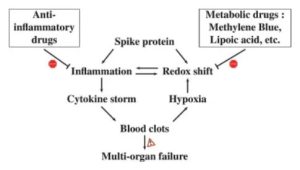
There is already evidence that Lipoic Acid, in combination with Coq10 is effective at treating Long COVID.
https://wmcresearch.substack.com/p/friday-hope-lipoic-acid-restoring

A video on two pressure points to calm the body and ready it to sleep.

Measles Is Not the Same Disease as It Was Before Vaccination.
A study from a blood transfusion unit in Boca Raton evaluating measles virus antibody titers revealed an alarming 3-fold decline over the 59 years following mass vaccination, while donors exposed to natural measles maintained excellent levels of neutralizing antibodies.
“Because of being vaccinated, and not receiving the live virus itself, they were no longer protected,” Wakefield explains. “This is really alarming. These ostensibly healthy individuals had no neutralizing antibody to measles virus.”
“This is an escape mutant … It’s the vaccine that got us into this problem in the first place, and it will not get us out of it … it’s a very, very concerning situation.”
Leaky brain or hyper-permeability of the blood-brain barrier is the problem for many. It causes those “senior moments” where you struggle to find the name or word that’s on the tip of your tongue, yet just out of reach.
MicroRNA-155 is an inflammation regulator. When the body is exposed to toxins, processed foods, pollution, high blood sugar and gut problems, the body makes a lot more MicroRNA-155 which chews away at the blood brain barrier creating gaps that let toxins leak in and compromise the mitochondria in your brain cells.
This is the cause of your brain fog. These nutrients are all beneficial in helping to protect your blood brain barrier and mitochondria.
Propolis
Melatonin
Glutathione
Reishi Mushrooms
Curcumin
Selenium
Vitamin C
Ginseng
Duchesnea chrysantha
Zinc