
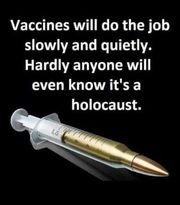
Watched a Video by Dr Ealy
Who said the mechanism of harm is hemagglutination (blood cell clumping) for which she recommended a 3 stage remediation:
1. Energize: Produce Energy at the Cellular level
2. Detoxify: Cellular Detoxification
3: Repair: Autophagocytosis and DNA repair
Short version, until we learn more about the nature and composition of these clots I would use these for the clots:
N-acetylcysteine (“NAC”)
Nattokinase
Lumbrokniase
Serrapeptase
Glutathione
Astaxanthin
Milk Thistle
Quercetin
Vitamin C
Vitamin D3
Vitamin K2
Melatonin
Zinc
I have seen and shared several presentations on different things that various health professionals thought would do something to help mitigate the damage from vax ingredients but they all seemed very partial solutions so I amalgamated and documented them here: https://www.tomgrimshaw.com/tomsblog/?p=35644
I do not believe it to be a complete handling. I don’t know if that is possible. I suspect not. But it is the most comprehensive I can formulate with my present understanding. Good luck with it!
Devil’s Choice
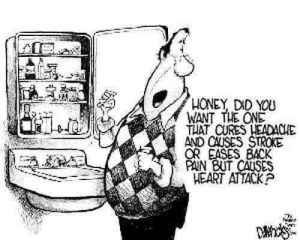
Zero Tolerance
The future of our life’s foundations
|
Do Unto Others

WATER IS LIFE
Copied and sharing this very IMPORTANT post :
Hi everyone.
This is Ayse Göknur Shanal here.
We are fighting for YOUR basic human right on this continent. Water.
The entire continent’s ecology and river system depends on the Great Artesian Basin. Our single largest underground water reservoir. Once it is contaminated by Santos’ Coal Seam Gas activity on Pilliga Forest, there will be no turning back.
Once 850 coal seam gas wells are running, the farmers in Narrabri will lose their water permanently. Your food does not come from Woolworths & Coles. It comes from Narrabri. THIS IS YOUR FOOD.
To inform yourselves watch documentary The Pilliga Project. 34 mins only.
There is nothing more important than WATER on this continent. I hope you understand how serious this situation is.
Time to join the Gomeroi People in the most important fight of our lives.
We must protect our water.
Please share this.
WATER IS LIFE.
Time is of the essence.
No Place For Fear
Why Biodiversity also promotes Food Security
Why Biodiversity also promotes Food Security
In a newsletter from Michaela Glöckler of ELIANT:
Dear Friends of ELIANT,
Food security cannot be taken for granted. It is currently being threatened by the Ukraine war and rising inflation. In the longer term however, the threat comes from dwindling biodiversity and climate-induced drought and flooding of the soil.
Why is biodiversity disappearing? The over fertilization of crop lands destroys the rich diversity of the ecosystem. Added to this is the use of pesticides and particularly neonicotinoids in mainstream agriculture. These highly active nerve agent poisons have been used since the 1990s and are in the seeds marketed across the world by the major seed corporations. This nerve poison distributes itself throughout the plant including the pollen and nectar. As a result it is causing massive harm to insects, including the bee population. Studies show that in the period 1989 – 2014 the number of insects has declined by 80%.
Why is the reduction of insects so serious? Fewer insects mean that insect-eating birds have less to feed on; this means fewer and less variety of birds. Less insects also mean that fewer flowers are pollinated and this affects yields. On top of this mono-cultures of empty landscapes – with no hedges, herbs and flowering plants – contribute to the death of insects and the all round loss of biodiversity.
Because of the war and the rising cost of food, there is a great temptation to leave the products of organic and biodynamic agriculture on the shelf in favour of conventionally produced cheaper alternatives. It is however particularly important to be clear about these interrelationships and to consciously buy food from sustainable agriculture, even if it is only a few products per week. Such products come from organic and Demeter farms where no pesticides are used and there are no mono-cultures. If many people do this we will be able collectively to increase the areas of land where biodiversity is growing. This supports future food security, helps nature and hence each one of us.
With hope and warm greetings
on behalf of the ELIANT Alliance
Michaela Glöckler
Spike most pathogenic protein in history

Spike most pathogenic protein in history. Damages:
1) heart
2) brain
3) causes blood clots
4) Vaccine-induced Immune Thrombotic Thrombocytopenia MISC,
and now is found to have the potential to cause cancer years after the shots by S2 inhibiting p53/BRCA and introducing cDNA/SV-40 to the human body.
Couldn’t be worse!
https://twitter.com/P_McCulloughMD/status/1680608928235761665