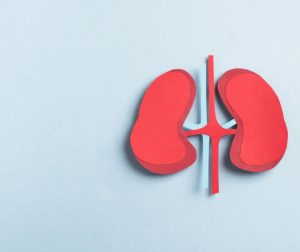
For the past two of decades, tens of thousands of people living in rural Sri Lanka have been devastated by kidney failure due to unclear causes, also known as CKDu (chronic kidney disease of unknown aetiology). Similar incidences of mysterious kidney diseases have emerged in tropical farming communities around the world.
In a highly concerning development, researchers have found a potential link between the herbicide glyphosate and CKDu in Sri Lanka. The study also revealed that glyphosate might form long-lasting compounds in hard water areas, which are prevalent in the regions with high CKDu incidence.
When glyphosate encounters certain trace metal ions that make water hard, like magnesium and calcium, glyphosate-metal ion complexes can form. Those complexes are quite stable and can persist for up to 7 years in water and 22 years in soil.
“It was always thought that this chemical would break down very quickly in the environment, but it seems to stick around a lot longer than we expected when it complexes in hard water,” said Nishad Jayasundara, the Juli Plant Grainger Assistant Professor of Global Environmental Health at Duke.
“We have to consider how glyphosate is interacting with these other elements, and what happens to glyphosate when you take that into your body as a complex.”
In certain agricultural areas of Sri Lanka, the dry climate combined with its geological formations creates the perfect conditions for hard water. It is also in these regions that CKDu has reached epidemic levels, with as many as 10% of children aged 5 to 11 years exhibiting signs of early onset kidney damage.
The researchers found significantly higher levels of the herbicide in 44% of wells within the affected areas versus just 8% of those outside it.
“We really focused on drinking water here, but it’s possible there are other important routes of exposure—direct contact from agricultural workers spraying the pesticide, or perhaps food or dust,” said Ferguson.
The researchers also found elevated levels of fluoride and vanadium, both of which are linked to kidney damage, in the drinking water of almost all of the communities with high incidence of CKDu, suggesting a possible interaction with the glyphosate.