Cellulitis

Cellulitis is usually caused by a bacterial infection. Group A streptococcus and staphylococcus aureus (‘staph’) are the most common bacteria involved. These bacteria normally live on your skin without causing any harm, but if your skin is broken they can infect your tissues and cause cellulitis. The infection usually happens when bacteria enter your skin through an ulcer, cut, scratch or insect bite. It can also happen if you already have a skin problem like eczema, psoriasis, scabies or acne, or after surgery. However, it may happen without any visible damage to your skin.

A common cause of cellulitis is scratching your skin with dirty fingernails that carry bacteria.

You’re more likely to get cellulitis if you have a skin condition that makes you itchy and are more likely to scratch. You’re also more likely to get cellulitis if you:
smoke
live with obesity
have diabetes
have poor circulation or a weakened immune system
have swelling in an arm or leg, such as with lymphoedema

It often affects your lower leg but can occur anywhere on your body.

You may have cellulitis if you have an area of skin that is warm, red, tender and very painful.

If your infection is severe, you may also have symptoms like fever and nausea.

If you think you or someone in your care has cellulitis, it’s important to get medical attention as soon as possible.

How is cellulitis treated?
Cellulitis is usually treated with:
antibiotics
rest
elevating or raising the affected part of your body, if possible

(A client told me that the most effective antibiotic by far is the original penicillin, one not easily prescribed by doctors.)

While cellulitis is not generally contagious, it’s important to always wash your hands before and after touching the infected area.


https://www.healthdirect.gov.au/cellulitis

Study Links Fiber Consumption to Epigenetic Changes with Anticancer Effects

Fiber

  • Fiber byproducts — short-chain fatty acids — physically attach to DNA regions, influencing how genes are turned on or off through epigenetic regulation
  • A comprehensive review of 11 meta-analyses found that higher fiber consumption correlates with reduced risk of several cancers, including gastric, esophageal, ovarian and endometrial tumors
  • Fiber helps regulate hormone pathways and curbs inflammation, with studies showing it may reduce estrogen reabsorption, lowering the risk of hormone-related cancers like breast cancer
  • Research indicates modern diets often lack adequate fiber, leading to chronic metabolic strain and disrupted digestive processes, making fiber optimization an important public health strategy
  • People with compromised gut health should introduce fiber gradually, starting with easily digestible carbohydrates like white rice and fruit juices before progressing to more fibrous foods. In severe cases, start with dextrose water

https://articles.mercola.com/sites/articles/archive/2025/02/27/fiber-consumption-and-epigenetic-changes-anticancer-effects.aspx

Understanding Butyrate — The Key to Optimal Health and Well-Being

Butyrate Podcast

  • Butyrate is a short-chain fatty acid produced by gut bacteria when they ferment fiber, serving as the primary energy source for colon cells and maintaining gut barrier strength
  • Healthy butyrate levels support weight management, blood sugar control and brain health, with studies linking butyrate-producing bacteria to reduced Alzheimer’s risk and lower cancer risk
  • A diverse diet rich in various fiber sources, including fruits, vegetables and whole grains, promotes butyrate production, but increases should be gradual if your gut health is compromised
  • The gut barrier weakens with insufficient butyrate, allowing undigested food, bacteria and toxins to enter your bloodstream, triggering systemic inflammation and widespread health problems
  • Gradually increasing fiber intake and reducing mitochondrial toxins for increased cellular energy supports gut health and beneficial gut microbes, enhancing butyrate production and overall health

https://articles.mercola.com/sites/articles/archive/2025/02/23/understanding-butyrate.aspx

12 high-yield garden crops that give you plenty for sharing

Garden Vegetable Woman Community Produce Bed

You don’t need a large garden to produce a large harvest. Sometimes, turning in armfuls of fresh crops from the garden is just a matter of choosing the right plants in the first place.

Knowing which crops produce the most food per square foot of soil is also a great approach to making the most out of small garden spaces for those residing in cities and urban communities.

Read on to learn more about the best crops that guarantee you a bountiful harvest by the end of the season.

https://nexusnewsfeed.com/article/self-sufficiency/12-high-yield-garden-crops-that-give-you-plenty-for-sharing/

Green Tea

Green Tea

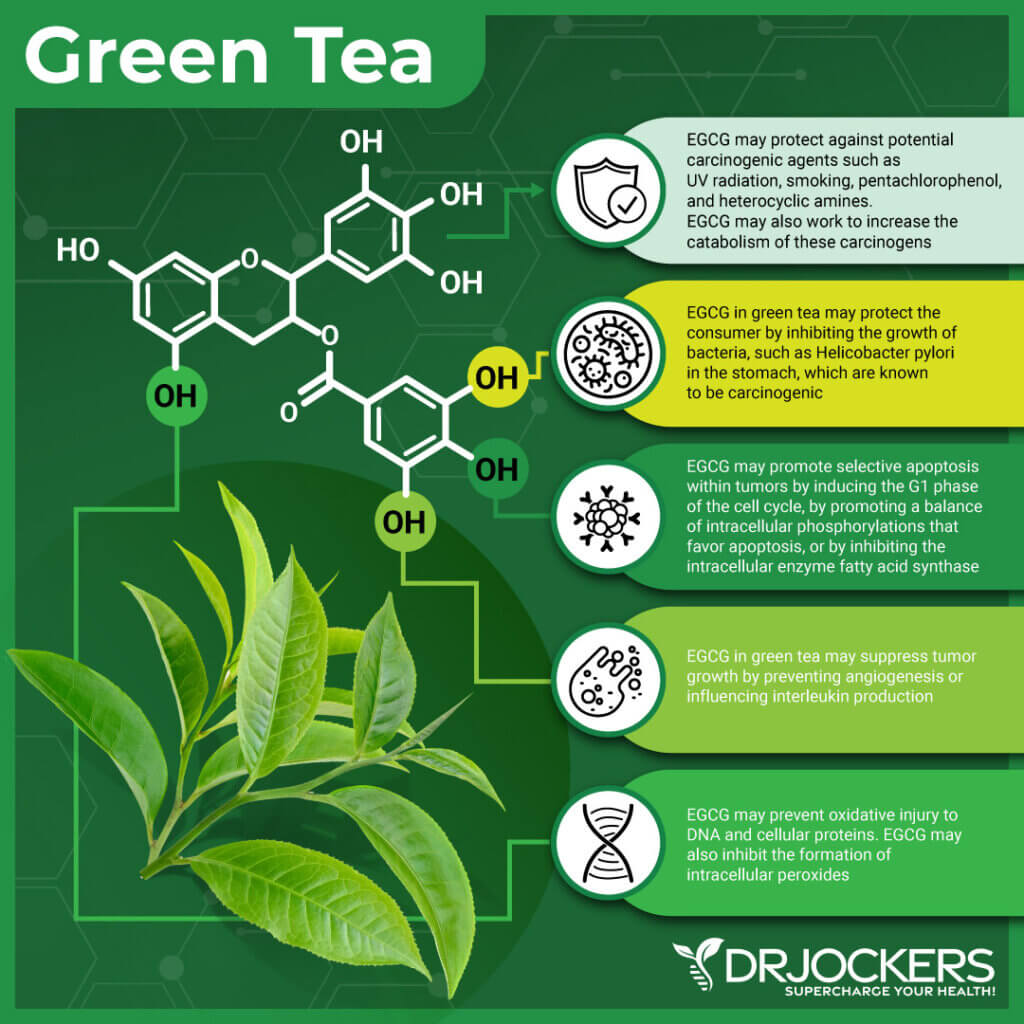
Green tea is an abundant source of a polyphenol called epigallocatechin-3-gallate, better known as EGCG. The antioxidant potential of EGCG has been linked to a variety of health benefits with anti-cancer properties. Drinking green tea regularly may be responsible for reducing the risk of some cancers including breast, colon, prostate, and lung cancer.

EGCG works by interrupting the signaling pathways associated with cancer stem cells. Consequently, this nutrient prevents cancer cell proliferation, inflammation, and metastasis. Studies show that EGCG inhibits vital proteins required for cancer stem cell survival and shuts off the mechanisms that trigger their growth.

Try sipping on green tea in the morning to reduce inflammation or adding green tea as a base for your smoothies. Opting for matcha green tea is the best strategy as it contains up to 10 times more EGCG than commercial green tea.

If using supplemental EGCG then go with a dose of 400-800 mg of ECGC, 1-2 times daily. Always use this earlier in the day as it is slightly stimulating. Green tea does reduce folate absorption, so it is advisable to consume extra raw green veggies (rich in folate) in salads or juices or supplement with an extra 400-500 mg of methyl-folate or calcium folinate if using green tea.

From: https://drjockers.com/cancer-stem-cell-killing-nutrients/

Milk Thistle Benefits

Milk Thistle Benefits

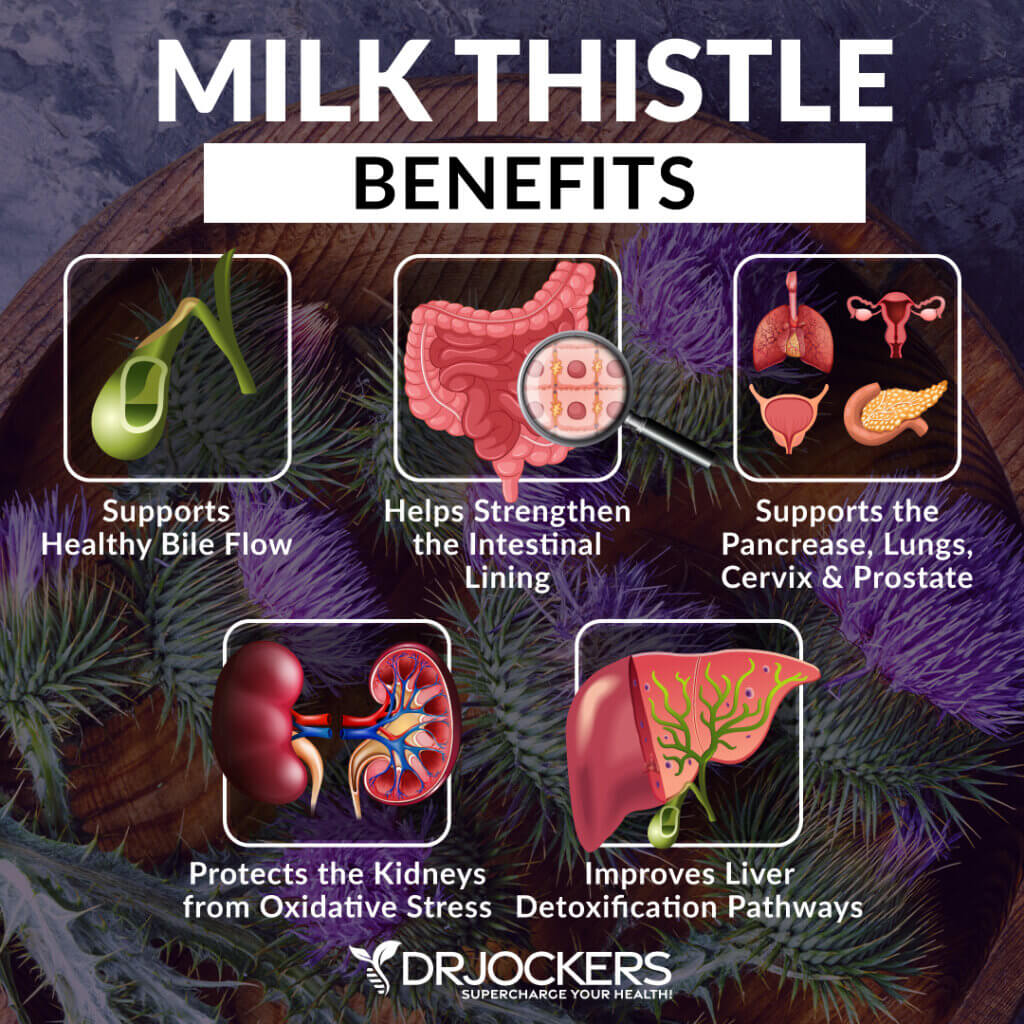
You may better know this healing nutrient as milk thistle. Silymarin is a flavonoid highly concentrated in milk thistle that protects the body from both skin and colon cancer by acting as a powerful detoxifying agent.

The primary use of milk thistle is designed to promote liver, kidney, and functioning of the gastrointestinal tract.  Silymarin has also been therapeutic in the prevention and treatment of cancer cell growth of the skin, prostate, breast, and cervix. (11)

The chemotherapeutic effects of Silymarin are a result of its ability to improve oxygenation in blood cells and promote enzymatic activity of antioxidants such as superoxide dismutase (SOD) and glutathione. Silymarin prevents toxins from accumulating in the detoxifying organs of the body, improves their ability to function, and reduces the risk of cancerous cell growth. (11)

Consider taking 200 mg of milk thistle daily to protect your body from carcinogens and inflammation and to lower your risk of developing cancer.  This is another great cancer stem cell treatment option.

https://drjockers.com/cancer-stem-cell-killing-nutrients/

Ginger

Ginger

Adding ginger to your tea, meat marinades, and vegetable dishes such as coleslaw and salad dressings is an excellent way to boost the chemopreventive properties of your meals and beverages.

A major compound contained in ginger is 6-gingerol. This phytonutrient decreases peroxynitrite (ONOO-) production, which is a powerful free radical formed by the reaction of nitric oxide (NO) and superoxide dismutase (O2-), which wreaks havoc and stress on cells and processes in the body.

As a result, 6-gingerol protects against free radical damage and has exhibited strong neuroprotective properties in research. 6- Gingerol enhances the antioxidant defense system by contributing pharmacological activity to protect cells from carcinogens and cancerous activity. (10)

I recommend adding fresh ground or dried ginger to meat marinades or on vegetable dishes.  It is also a great practice to consume a cup or two of ginger tea every day.  I am also a huge fan of fermented ginger, which is commonly used in Asian dishes such as sushi and in the Korean dish kimchi.

https://drjockers.com/cancer-stem-cell-killing-nutrients/

Unlocking your body’s detox potential – the crucial role of lymphatics

Lymphatic Drainage Program

  • Your lymphatic system is crucial for immune function, fluid balance and detoxification. It removes cellular waste, fights infections and aids in nutrient absorption. Proper lymphatic function is essential for overall health
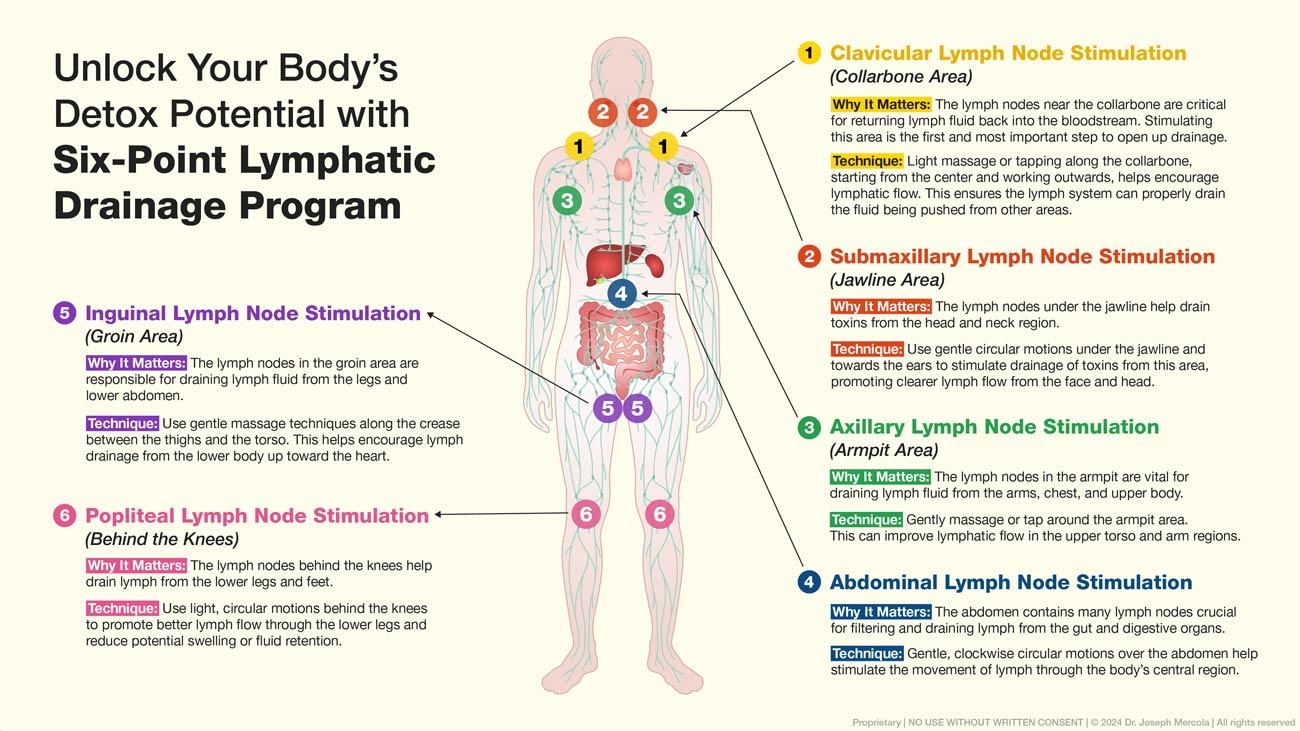
  • In our interview, Dr. Perry Nickelston recommends a “Big 6” lymphatic drainage technique, focusing on six primary areas in a specific order: collarbone, jaw, shoulder/armpit, abdomen, groin and behind your knee
  • Lymph nodes cluster around major joints to facilitate movement-based drainage. Lack of movement and poor breathing lead to lymphatic stagnation, causing various health issues like inflammation and recurring infections
  • Regular movement, including walking, rebounding and hanging exercises, is vital for lymphatic health. Combining lymphatic massage with other detox strategies like sauna use enhances overall effectiveness
  • Lymphatic health is closely tied to cardiovascular and brain function. Addressing lymphatic stagnation helps with heart health, neurodegenerative diseases and chronic pain management by reducing inflammation and improving fluid dynamics

https://tinyurl.com/58t5dpx5

Less than one teaspoon ginger and cinnamon daily relieves muscle soreness in athletes

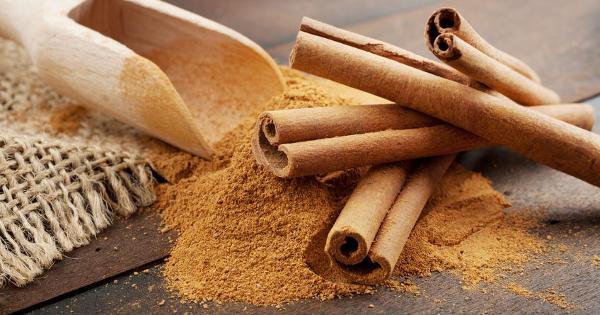
Cinnamon Quills

Many well-intentioned workout resolutions have been thwarted by the first signs of sore, stiff muscles in the days following a visit to the gym. One study found that two common kitchen spices help relieve that post-workout muscle pain.

Researchers at Iran’s Isfahan University of Medical Sciences studied the effects of ginger and cinnamon on the muscle pain of 60 fit female competitive Taekwondo players, aged 13-25 years. The women were divided into three groups. For six weeks, each group took three grams (1 tsp = 4 grams) of either powdered ginger, cinnamon or placebo every day.

During the study, the women were tested for an indicator of inflammation and for muscle soreness. The results, published in the International Journal of Preventive Medicine, showed that women in both the ginger and cinnamon groups had significantly less muscle soreness after exercising than the placebo group. A similar study from the University of Georgia, also confirmed ginger’s ability to relieve muscle soreness after strenuous exercise.

The researchers did not find any difference in the inflammation marker among the three groups despite other studies showing strong anti-inflammatory qualities of ginger and cinnamon. They speculated that the three gram dose may have been insufficient to make a measurable difference.

Both ginger and cinnamon have been used medicinally for thousands of years. Each contains a wide range of compounds shown to curb inflammation, reduce oxidative stress and modulate other healing mechanisms within the body.

https://nexusnewsfeed.com/article/food-cooking/less-than-one-teaspoon-ginger-and-cinnamon-daily-relieves-muscle-soreness-in-athletes/