Just one gem from the video, “Parmesan is the only cheese completely free from lactose.”

Tom's Blog on Life and Livingness
Just one gem from the video, “Parmesan is the only cheese completely free from lactose.”
Imagine sitting down to enjoy a hearty meal—a perfectly cooked steak, crisp vegetables, and a fresh salad. You’ve eaten this kind of meal countless times before, but lately, something feels off. Maybe you feel bloated afterward or sluggish for hours. Perhaps you’ve started noticing digestive discomfort, even when you eat foods that should be easy to digest.
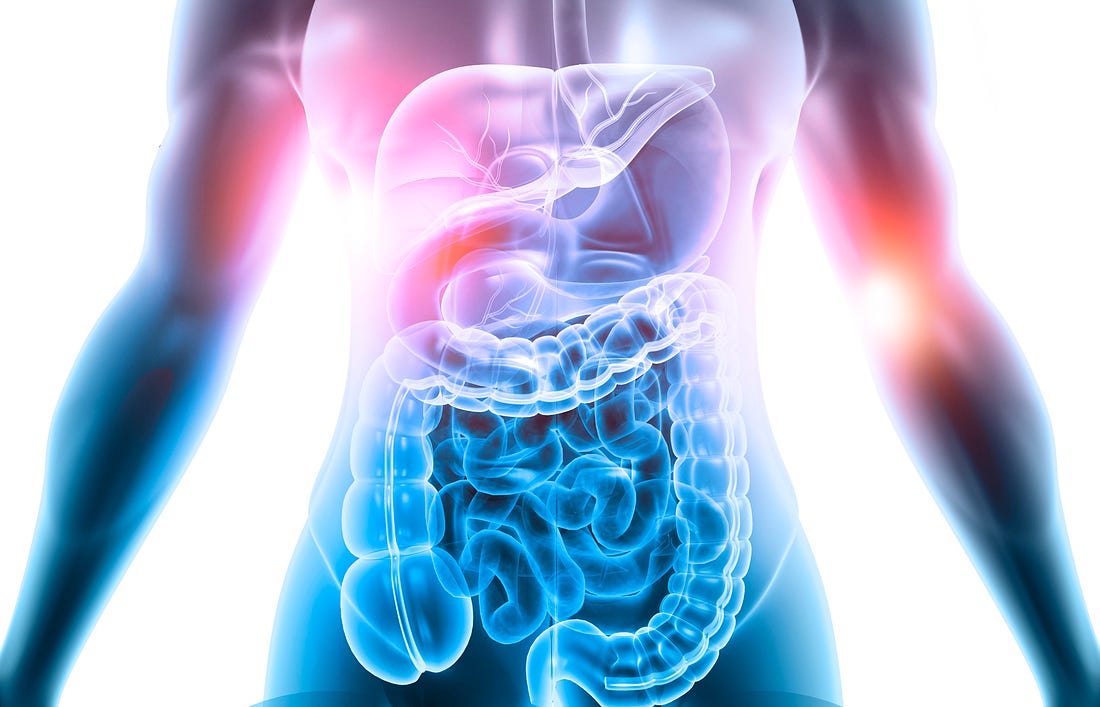
For many people, these frustrating issues stem from one overlooked factor: a decline in proteolytic enzymes. As we age, our body’s ability to produce these critical enzymes drops, leaving us vulnerable to poor digestion, inflammation, and even chronic illness.
What Are Proteolytic Enzymes?
Proteolytic enzymes, also known as proteases, are specialized proteins that help break down other proteins into smaller peptides and amino acids. These enzymes are crucial for digestion, but they also support immune function, reduce inflammation, and aid in tissue repair. Common types of proteolytic enzymes include bromelain (from pineapples), papain (from papayas), and trypsin and chymotrypsin (produced naturally in the pancreas).
Why Are Proteolytic Enzymes So Important?
While proteolytic enzymes are most famous for their role in digestion, their benefits extend far beyond the gut. Research shows these enzymes can:
1. Reduce Inflammation
Studies have shown that proteolytic enzymes can help manage inflammatory conditions such as arthritis by breaking down excess fibrin, a protein linked to inflammation and scar tissue formation. For example, research published in Surgical Neurology International highlights their effectiveness in reducing post-operative swelling and pain.
2. Accelerate Healing
Athletes and those recovering from injuries often use proteolytic enzymes to speed up tissue repair and reduce swelling. These enzymes help break down damaged tissue, allowing the body to rebuild stronger and faster.
3. Support Immune Function
By breaking down unwanted proteins and toxins, these enzymes help reduce the burden on your immune system, allowing it to function more efficiently. According to Dr. Axe, proteolytic enzymes can even modulate the immune system, making them a potential ally in managing autoimmune conditions.
4. Combat Digestive Issues
Proteolytic enzymes improve nutrient absorption and can reduce gas, bloating, and indigestion. As noted by Healthline, insufficient enzyme production can lead to poor nutrient absorption and digestive discomfort.
Why Age (and Lifestyle) Reduces Enzyme Production
By the time you reach your 40s or 50s, your body’s natural enzyme production slows significantly. Processed foods, environmental toxins, and chronic stress further deplete these critical enzymes. Cooking food at high temperatures also destroys natural enzymes, making it even harder for your body to properly break down what you eat.
This decline is why even “healthy eaters” can struggle with digestive problems. Without enough proteolytic enzymes, undigested food particles ferment in the gut, contributing to bloating, discomfort, and nutrient deficiencies. This can lead to a cascade of health issues over time
The Link Between Proteolytic Enzymes and Cancer
Emerging research suggests that proteolytic enzymes may also play a role in cancer prevention and support. Studies indicate that these enzymes can help reduce tumor growth by breaking down the protective coatings cancer cells form to evade the immune system. In fact, researchers have explored the use of proteolytic enzymes as part of integrative cancer therapies. According to Memorial Sloan Kettering Cancer Center, these enzymes show promise in supporting conventional cancer treatments.
Fun Facts About Enzymes: Nature’s Tiny Workhorses
Did you know that enzymes are some of the most fascinating molecules in the human body? Here are a few intriguing tidbits about these microscopic powerhouses:
Enzymes Are Ancient: Enzymes have been around for billions of years. They played a crucial role in the earliest forms of life, helping primitive organisms break down nutrients and survive in harsh environments. Without enzymes, life as we know it wouldn’t exist!
They’re Incredibly Efficient: Enzymes can speed up chemical reactions by millions of times. For example, the enzyme catalase can break down millions of hydrogen peroxide molecules into water and oxygen every second.
Enzymes Are Picky Workers: Each enzyme is highly specific to its task. For instance, amylase only breaks down carbohydrates, while lipase focuses on fats. This specificity ensures that every nutrient is processed correctly.
They’re Not Just in Humans: Enzymes are found in all living organisms, from plants to animals to bacteria. Pineapples and papayas, for example, contain natural enzymes (bromelain and papain) that help them soften their own fruit as it ripens.
Enzymes Can Be Fragile: High temperatures, extreme pH levels, and harsh chemicals can denature enzymes, rendering them useless. This is why raw or lightly cooked foods often retain more of their natural enzymes than heavily processed ones.
Enzymes may be small, but their impact is monumental. These microscopic marvels are the unsung heroes of digestion, healing, and life itself, proving that sometimes the tiniest things make the biggest difference.
https://thetruthaboutcancerofficial.substack.com/p/the-power-of-proteolytic-enzymes
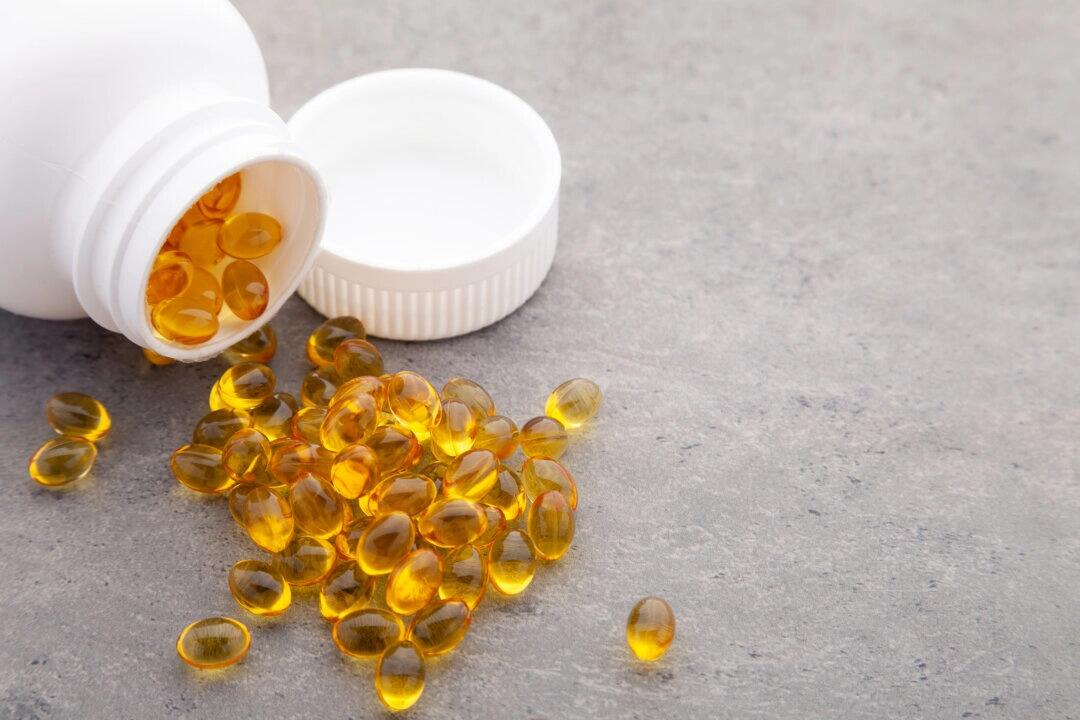
A new clinical trial has found that high doses of vitamin D may significantly slow the progression of a neurological disorder known as clinically isolated syndrome (CIS). It is a condition that may look like multiple sclerosis (MS) and may precede MS.
Both MS and CIS are caused by inflammation and damage to the central nervous system, specifically the brain and spinal cord. In MS, the body’s immune system mistakenly attacks the myelin sheath, the protective layer that surrounds nerve fibers, leading to communication issues between the brain and the rest of the body. Currently, there is no cure for either condition.

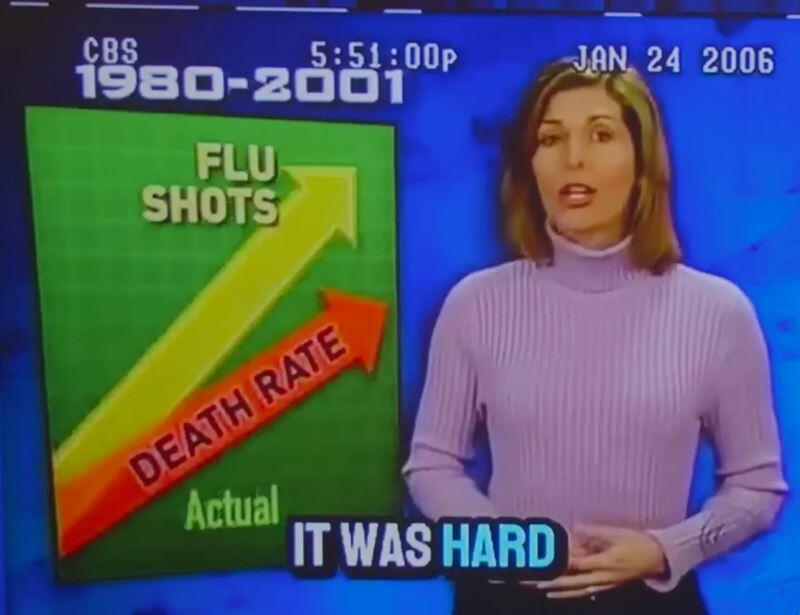
Two decades ago, CBS aired a bombshell report on the flu shot, revealing a truth that health officials didn’t want to admit. Despite flu shot uptake among seniors skyrocketing from 15% to 65%, flu deaths continued to climb.
NIH scientists were devastated. They expected the data to confirm the vaccine’s effectiveness. But instead, their own research shattered that assumption. So they assumed other factors must be “masking the true benefits of the shots.”
However, as Sharyl Attkisson reported at the time, “No matter how they crunched the numbers, they got the same disappointing result. Flu shots have not reduced deaths among the elderly.”
Going back to the story, the scientists looked at the flu shot data of other countries in hopes of finding more optimistic data. But what they found instead was “the same poor results in Australia, France, Canada, and the UK.”
Rather than re-evaluating their approach, health officials doubled down. The CDC refused to acknowledge the failure and instead proposed a “roundabout way” of protecting seniors. Their new strategy? Inject kids to “protect grandma.”
https://www.zerohedge.com/medical/flu-vaccine-exposed-shocking-nih-discovery-they-dont-want-you-know
1. Avoid sodium lauryl sulphate (foaming agent in most shampoos).
2. Once a week, massage some of this mix into your scalp and leave on as long as possible.
Half cup castor oil
Half cup coconut oil
Half cup aloe vera gel
10 drops rosemary essential oil
Hibiscus oil
Put 2 tablespoons of black sesames seeds into a saucepan and gently heat but be careful not to let burn.
Let cool.
Add 2 tablespoons apple cider vinegar
Add 2 tablespoons black strap molasses
Add 1 teaspoon AMLA powder and mix
Each day, consume one tablespoon half an hour before breakfast.