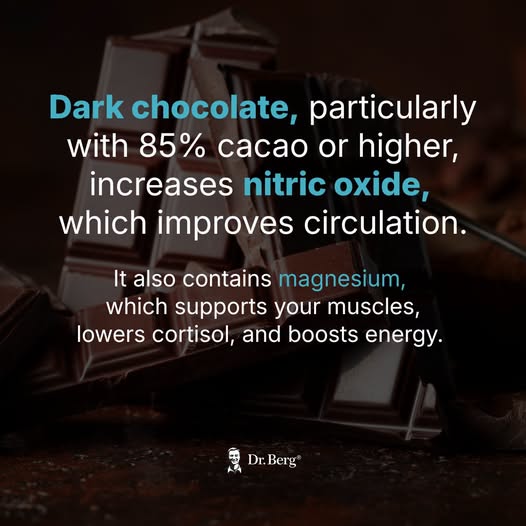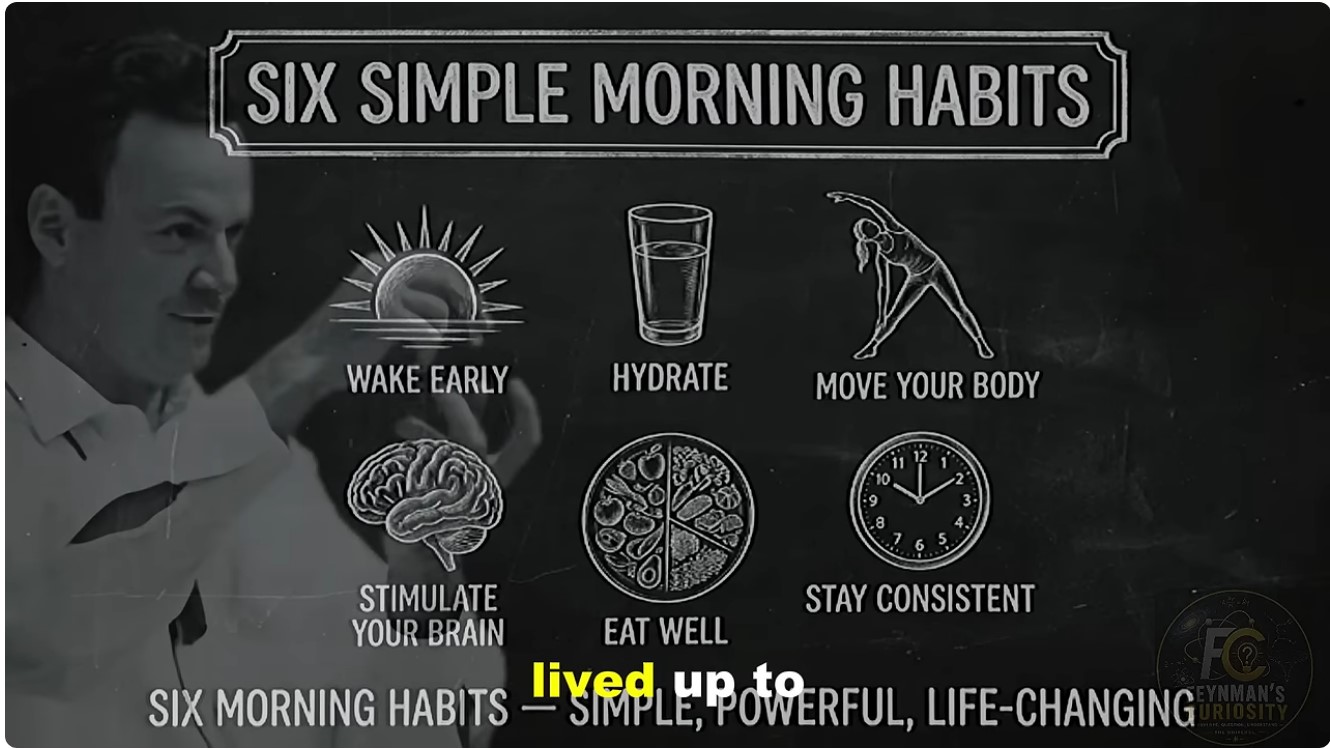
Magnesium Glycinate helps relsx muscles and prevent cramps and many other tips.
Watch video: https://www.facebook.com/reel/1193756339269349

Tom's Blog on Life and Livingness
Magnesium Glycinate helps relsx muscles and prevent cramps and many other tips.
Watch video: https://www.facebook.com/reel/1193756339269349

202 people died in one night.
Hundreds more were burned beyond recognition.
And one surgeon in Australia had already built the answer — years before anyone knew they would need it.
Saturday night. October 12, 2002.
Kuta Beach.
The streets were loud with music and laughter. Tourists filled the bars. It was the kind of tropical evening people replay in their memories for years — right up until the moment the sky turns into fire.
At 11:08 PM, a bomb exploded inside Paddy’s Pub.
Fifteen seconds later, a second and far more devastating car bomb detonated outside the Sari Club.
The blast wave shattered windows blocks away. The fireball swallowed entire rooms. When the smoke settled, 202 people were dead. Hundreds more were alive — but horribly burned.
Some had third-degree burns covering 40%, 50%, even 60% of their bodies. Clothing had melted into skin. Entire layers of tissue were gone.
The most critically injured were airlifted to Royal Perth Hospital in Western Australia.
That’s where Dr. Fiona Wood walked into the ward.
And everything changed.
Severe burn treatment in the 1990s relied on one brutal truth: to repair destroyed skin, surgeons had to cut healthy skin from elsewhere on the body and graft it onto wounds.
For patients with limited unburned skin, this created a devastating cycle. To heal one injury, doctors had to create another.
Even worse, growing sheets of cultured skin in laboratories could take weeks. Critically burned patients often didn’t have weeks. Infection could claim them in days.
Fiona Wood, a plastic and reconstructive surgeon who had trained in the UK before moving to Australia, believed this wasn’t good enough.
Working alongside medical scientist Marie Stoner, she began refining an experimental approach: instead of transplanting sheets of skin, what if you could spray a suspension of a patient’s own skin cells directly onto the wound?
The concept became known as ReCell.
Take a tiny biopsy — sometimes smaller than a postage stamp — from surviving healthy skin. Process it rapidly. Create a suspension of living skin cells. Spray them evenly across the wound bed using a specialized device.
The cells would adhere, multiply, and regenerate skin in place.
To many in the field, it sounded improbable.
To Fiona Wood, it was necessary.
Throughout the 1990s, she and her team tested and refined the technique on smaller burn cases. Results showed faster healing and reduced scarring compared to traditional grafting alone.
Then Bali happened.
When Bali survivors began arriving in Perth, the scale of injuries overwhelmed conventional treatment plans.
These were not minor burns. These were catastrophic injuries.
Wood’s team moved immediately.
Small biopsies were taken from each patient’s remaining healthy skin. Lab teams worked around the clock to culture viable cell suspensions. Meanwhile, ICU teams fought infection and organ failure hour by hour.
When the first batches of cells were ready, Wood applied them using the spray device directly onto wounds that would otherwise require extensive grafting.
New epithelial growth began forming faster than traditional methods alone would have allowed.
Patients who might not have survived under older protocols began stabilizing. Healing times shortened. Scarring was reduced in many cases.
Survival rates among the critically burned Bali victims treated at Royal Perth were significantly higher than historical expectations for burns of that magnitude.
The world noticed.
What had begun as years of careful research inside a Perth lab had suddenly become a frontline lifesaving tool in a mass-casualty disaster.
In 2005, Fiona Wood was named Australian of the Year.
But recognition was never the objective.
ReCell technology evolved further and gained regulatory approval in multiple countries. It has since been used in civilian burn centers and military medicine — particularly for blast injuries and combat-related burns.
Today, spray-on skin technology and its descendants are part of modern burn care protocols globally.
Children injured in house fires heal with less extensive grafting. Industrial accident survivors recover faster. Military personnel receive treatment options that did not exist a generation ago.
The exact number of lives improved — or saved — because one surgeon refused to accept “good enough” is impossible to calculate.
But it spans continents.
Fiona Wood didn’t invent spray-on skin because she predicted an attack in Bali.
She built it because she saw suffering every day and believed medicine could do better.
For years, she tested, adjusted, refined, and defended an idea that sounded too ambitious.
Then one night, the crisis arrived.
And she was ready.
Real heroism is rarely dramatic in its early stages. It looks like research notes. Failed trials. Long lab hours. Skepticism from peers. Quiet persistence.
The explosion in Bali was sudden.
The preparation in Perth was not.
That’s the difference between reacting to disaster — and being prepared to transform it.

I had been told that a woman’s immune system “shuts down during pregnancy”. That is an incorrect oversimplification. The immune system does not shut down or reduce, it modulates its responses!
The claim that pregnancy “suppresses” the immune system has long served as a convenient shorthand for clinicians and public communicators alike. The reality documented in the scientific literature is considerably more sophisticated. Pregnancy does not weaken immunity in any straightforward sense; it recalibrates the immune system in ways that are both systemic and purposeful, with implications that extend well beyond the placental interface into how the pregnant body responds to pathogens and vaccines, and how the newborn is protected after birth.
Modulation, Not Suppression
The distinction between immune suppression and immune modulation is more than semantic. Multiple independent reviews have concluded that pregnancy reshapes the immune response rather than simply reducing it. As one widely cited synthesis states, the immune system during pregnancy is “not suppressed, but instead modulated to facilitate a pregnancy,” accounting for the differential susceptibility to different classes of pathogens observed across gestation.
This position is supported by large-scale longitudinal data. While there is little evidence for global immunosuppression during pregnancy, increased risks associated with certain viral infections reflect specific qualitative immunological changes rather than a general failure of host defense. The elevated severity seen with influenza, COVID-19, and hepatitis during pregnancy is attributable to targeted shifts in cellular immunity, not a wholesale reduction in immune function.
Those shifts are hormone-driven and body-wide. Estrogen, progesterone, human chorionic gonadotropin (hCG), and cortisol each modulate specific immune components — cytokine profiles, NK cell behavior, regulatory T cell populations, and neutrophil activity — in ways that propagate systemically far beyond the uterus. A 2025 study from the Icahn School of Medicine at Mount Sinai examining immunological transitions in uncomplicated pregnancies described dramatic changes in inflammatory mechanisms and immune cell dynamics when individuals transitioned from non-pregnant to pregnant states, with pre-pregnancy obesity further amplifying these inflammatory shifts.
Neutrophils illustrate the paradox well: they increase in number during pregnancy, but their reactive oxygen burst and cytokine responses post-stimulation are dampened — a state of being “primed but restrained.” Complement proteins such as C3a, C4a, and CH50 rise markedly, indicating that systemic inflammation is regulated rather than suppressed. These changes reflect a purposeful reconfiguration designed to sustain both maternal defense and fetal tolerance simultaneously.
The Placental-Systemic Feedback Loop
The local and systemic immune changes of pregnancy are not independent. The maternal-fetal interface is a unique immunological environment that balances fetal tolerance with pathogen defense, protecting both mother and fetus while preventing immune rejection of the genetically distinct fetus. Specialized local mechanisms — Hofbauer macrophages, decidual NK cells, and regulatory T cells accumulating in the decidua — create a tolerance-permissive microenvironment sustained by IL-10 and TGF-β secretion.
Critically, the hormonal signals driving these local adaptations propagate throughout the maternal circulation. This feedback loop between the placental microenvironment and the systemic compartment is why the immune changes of pregnancy cannot be understood in purely local terms. The pregnant woman’s response to a respiratory virus or to an intramuscular vaccine reflects ongoing immunological work to maintain the placenta, not merely a localized uterine adaptation.
Vaccine-Induced Immunity During Pregnancy: Functional Differences Exist
The modulated immune environment of pregnancy has measurable consequences for vaccine responses. A 2025 study published in npj Vaccines — part of the Nature Portfolio — examined serological and cellular responses to COVID-19 mRNA booster vaccines in pregnant and non-pregnant women and identified meaningful qualitative differences. Antibodies from pregnant women were less cross-reactive to non-vaccine antigens, including the XBB.1.5 and JN.1 variants. Non-pregnant women showed greater IgG1:IgG3 ratios and higher neutralization against all variants tested.
In contrast, pregnant women showed lower IgG1:IgG3 ratios and reduced neutralization breadth but demonstrated increased antibody-dependent NK cell cytokine production and neutrophil phagocytosis, especially against novel variants. The study also found that pregnancy increased memory CD4+ T cells, IFNγ production, and monofunctional dominance, and elevated fatty acid oxidation. This metabolic shift constrains B-cell and T-cell expansion and functional intensity, providing a plausible mechanistic basis for the observed differences in antibody quality.
This is not a picture of failed immunity. It is a picture of redirected immunity. The pregnant immune system compensates for narrowed antibody cross-reactivity by leaning more heavily on innate effector mechanisms. But from the perspective of protection against fast-mutating viruses, reduced cross-variant neutralization is a clinically meaningful limitation — one that routine titer comparisons in large immunogenicity studies may not capture. A 2025 systematic review in the Pediatric Infectious Disease Journal, comparing the immunogenicity of COVID-19 vaccines in pregnant versus non-pregnant persons, similarly confirmed detectable and generally protective titers in pregnancy while noting the need for more mechanistic data on functional antibody quality.
These findings raise an open question in the literature: should vaccine formulations or dosing intervals be modified to account for the pregnancy-specific immune state? The available data do not settle this question, but they make a strong case for transparent, independent investigation.
Breast Milk: A Second Immune Transfer System
After birth, the infant faces its greatest pathogen exposure risk at mucosal surfaces — the respiratory and gastrointestinal tracts — at a time when its own immune system is immature. Placental IgG transfer provides systemic coverage during the final trimester, but mucosal defense requires a different class of antibody. Breast milk addresses this gap, and the primary mechanism is secretory IgA (sIgA).
sIgA constitutes over 90% of immunoglobulins in mature human milk.8 When breast milk coats the infant’s oral mucosa, nasal cavity, Eustachian tubes, and gastrointestinal tract, sIgA binds pathogens at the surface before they can invade, keeping them immobilized for digestion and excretion rather than systemic entry. Critically, sIgA is stabilized by a secretory component that renders it highly resistant to digestive enzymes — a structural feature that IgG lacks — allowing it to remain functional throughout the infant’s gastrointestinal tract.
The sIgA content of breast milk is not generic. According to Brandtzaeg’s foundational work, the content of milk sIgA reflects the antigenic stimulation of the mother’s mucosal immune system by the intestinal and respiratory pathogens she has encountered.
Because mother and infant typically share an environment, this creates a personalized antibody repertoire calibrated to the specific pathogens the infant is most likely to face — a feature that formula cannot replicate.
Beyond immediate pathogen exclusion, breast milk sIgA plays a formative role in shaping the infant gut microbiome and regulating immune development. Experimental work in mice has shown that, in the absence of milk immunoglobulins, offspring develop natural IgA responses more rapidly, with premature germinal center reactions, suggesting that maternal sIgA actively modulates the pace and character of the infant’s immune maturation rather than simply substituting for it.
Natural Infection vs. Vaccination: A Difference in Milk Antibody Profile
A consistent finding across multiple studies is that the route of maternal antigen exposure determines the class of antibody predominating in breast milk. Natural infection — which stimulates mucosal immune tissues directly — generates an IgA-dominant milk antibody profile. Intramuscular vaccination, which acts primarily on systemic compartments, generates an IgG-dominant profile in milk.
This was documented explicitly in the context of COVID-19: mothers who recovered from SARS-CoV-2 infection had IgA-dominant antigen-specific antibodies in their breast milk, whereas mothers who received mRNA vaccines produced IgG-dominant responses in their milk.12 Whether breast milk IgG or sIgA provides more meaningful protection for the infant mucosal surface remains an active area of investigation.12 However, given that sIgA is structurally optimized for mucosal defense and enzymatic resistance, and given that influenza and pertussis vaccines administered during pregnancy have been shown to induce pathogen-specific sIgA and IgG in milk that protect breastfed infants from those respiratory illnesses,13 the route-of-exposure difference warrants continued study.
Conclusion
The scientific literature consistently supports one overarching conclusion: pregnancy represents a state of systemic immune recalibration, not suppression. The immune balance shifts from Th1-type proinflammatory activity toward Th2-type tolerance mechanisms; neutralizing antibody responses to novel antigens narrow, while innate effector pathways expand; and after delivery, breast milk provides a mucosal immune layer that is both personalized and only partially replicated by systemic vaccination.
Vaccines during pregnancy remain protective and are recommended — but the biological reality is more textured than institutional messaging typically conveys. Pregnant women generate detectable, functional immune responses to vaccines, while simultaneously operating under an immunological framework that prioritizes fetal tolerance, narrows cross-variant antibody breadth, and shapes infant mucosal immunity through a mechanism that intramuscular vaccines engage only incompletely. Understanding these distinctions is the reason to study it more rigorously, and to ensure that vaccine policy reflects the full complexity of the pregnant immune state rather than a simplified equivalence narrative.
Finish reading: https://open.substack.com/pub/rwmalonemd/p/pregnancy-and-immune-modulation

Finish reading: https://nexusnewsfeed.com/article/food-cooking/sweet-potatoes-the-superfood-that-balances-blood-sugar-and-boosts-immunity/

“Yeah but the land can be farmed after the solar complex is done in 20-30 years.”
No, it can’t. And pretending that it can is allowing ORES, the state, and foreign developers to put a “band-aid” over what they are really doing to our PRIME (not inactive) farmland and grassland habitats.
When I started researching all of this in October, one of the most shocking things I discovered was the “decommissioning” plan that ORES has for its foreign developers.
There will come a time when the solar complex is no longer needed (this will come much sooner than 20-years as the technology will be obsolete in 2-4 years).
The site will need to be decommissioned.
As ORES permit language states: “All equipment and components shall be removed to a minimum depth of three (3) feet below grade.”
Anything deeper than 3 feet will be LEFT IN THE GROUND.
Most utility-scale solar uses driven steel piles. They are often 6–12 feet deep (in the case of Fort Edward Solar, even deeper). If only 3 feet must be removed, the top section is cut off and the remaining 3–9 feet of steel will stay underground.
Solar farms require medium-voltage cable networks, conduit systems, grounding grids, these are typically buried 3–5+ feet deep. Anything below the 3 foot mark will be left in the ground.
Not to mention the cadmium, lead, etc. that leaches off the panels while they are mounted, as well as the herbicides sprayed below the panels to manage vegetation (as well as the glass shards that end up in the soil – see statements from the Potato Growers Association of Michigan, etc.).
This is what happens when a shadow agency, ORES, is created sneakily in a 2020 budget bill with no oversight or checks/balances placed on it. The DEC now answers TO ORES. And ORES profits from developer fees… the more permits it approves, the more money it makes.
The result? Impending environmental catastrophes the likes of which you have never seen.
The idea that this land can be farmed during or after the solar complex is installed is a lie these solar companies are telling aging landowners in an effort to get them to lease over their land.
Do you know how many people I have spoken to with regrets? If they had known what would actually become of their soil?
This cannot be allowed to go on.

Twelve men sat down to breakfast knowing their meal was poisoned—and they ate it anyway, three times a day, for five years.
Today, we open our refrigerators without fear. We pour milk for our children without hesitation. We scan ingredient labels out of habit, not desperation. But there was a time in America when every meal was a gamble.
If you walked into a grocery store in 1902, you would find no expiration dates, no ingredient lists, and very little truth. Milk often contained formaldehyde—the same chemical used to preserve corpses—added to keep it from spoiling in the summer heat. Butcher’s meat gleamed bright red, not from freshness, but from borax dust used to hide the gray of decay. Canned vegetables sparkled with copper sulfate, and candy glittered with lead and mercury.
This wasn’t a scandal at the time; it was standard business practice.
Dr. Harvey Washington Wiley, chief chemist at the Department of Agriculture, carried this knowledge like a weight on his chest. He knew families were unknowingly feeding poison to their children at every meal, and there was no law—none—to stop companies from doing it.
He needed proof. He needed real, undeniable evidence that these “preservatives“ were destroying human bodies. So, in the basement of his Washington, D.C. office, he did something radical: he set up an elegant dining room with white tablecloths and fine china, and put out a call that stunned the nation.
He needed twelve healthy young men willing to eat poison for science.
The terms were brutally honest: free meals three times a day in exchange for consuming measured doses of borax, formaldehyde, salicylic acid, and sulfurous acid—the very chemicals hidden in America’s food supply. They would be human test subjects in an experiment with no precedent and no guarantee of survival. They even had to sign away their right to sue if the experiment killed them.
Dr. Wiley expected silence, or perhaps a few desperate souls. Instead, people lined up. Government clerks, college students, and postal workers raised their hands. They weren’t reckless; they were patriots who understood that someone had to prove the truth.
The press gave them a name that echoed across the country: The Poison Squad.
At first, the meals looked normal—roasted chicken, fresh bread, and vegetables. The chemicals were hidden inside the food. Later, to ensure exact dosages, the men swallowed gelatin capsules filled with the toxins. They tried to keep their spirits up, joking about their “daily dose of death,“ but as weeks became months, the laughter died away.
The poison did exactly what Dr. Wiley feared. Healthy young men turned pale and gaunt. They lost their appetites, and their weight melted away—ten, fifteen, twenty pounds. They suffered from violent nausea, splitting headaches, and stomach cramps so severe some could barely stand. They were being slowly destroyed in plain sight for all of America to witness.
Every morning they were weighed, and every day they provided medical samples. The humiliation was matched only by the physical agony. Yet, not one man quit.
Newspapers ran daily updates. Headlines screamed about their suffering. A popular song even mocked their misery: “O, they may look dead, but they don’t die / They’re only experimentin’ / For the Pure Food Law they’re inventin’.“
To the public, it was entertainment. To the men at that table, it was torture endured for strangers—for children not yet born and families a century into the future.
The food industry watched with growing panic. They had everything to lose, so they sent observers to find flaws and hired armies of lawyers and lobbyists. They published articles claiming these chemicals were perfectly safe. But the evidence mounted like an avalanche.
After five brutal years, Dr. Wiley had to stop the experiments; the men were simply too sick to continue. But he finally had what he needed: scientific proof that these “harmless“ preservatives were destructive.
The results shocked the nation into action. The food industry fought back with money and power, but they couldn’t overcome the image of those twelve young men who sacrificed their health for the truth.
In 1906, the Pure Food and Drug Act became law—the first federal regulation of food and drugs in American history. For the first time, companies had to list ingredients and could no longer lie about what was in the bottle. This became the foundation of the FDA, the agency that now protects over 330 million Americans.
Dr. Wiley had won, but the victory belonged to the young men who sat at his table. They returned to their quiet lives and never sought fame or monuments. They volunteered because they believed ordinary people deserved to know what they were feeding their families.
Every time you flip over a box to read the ingredients, you are seeing their legacy. Every time you check an expiration date, you are protected by their sacrifice. You can trust that your food won’t kill you because of the foundation they built with their suffering.
They took the poison so we wouldn’t have to.
The next time you glance at a nutrition label, pause for just a moment. Remember that twelve men willingly destroyed their health so you could have that simple piece of paper. They didn’t march or petition; they sat down, picked up their forks, and ate poison—three times a day, for five years.
Because of that quiet, terrible courage, we get to eat our breakfast in peace. Their sacrifice deserves to be remembered.
(Tom: We might be able to eat our breakfast in peace, providing it does not include nitrate loaded meats, margerine or cooked in seed oils. And despite the efforts of the people in this article we now need to read the labels on foods and be informed as to the dangers contained in all too many of those ingredients!)
I have been tracking the health ramifications flowing from the Covid “vaccine” for the last 5 years. This morning I received an interesting email from one of my highly valued medico publishers. It contained this paragraph:
“This study performed the first state-of-art single cell atlas of adult human heart, and revealed that pericytes with high expression of ACE2 might act as the target cardiac cell of SARS-CoV-2. The pericytes injury due to virus infection may result in capillary endothelial cells dysfunction, inducing microvascular dysfunction. And patients with basic heart failure disease showed increased ACE2 expression at both mRNA and protein levels, meaning that if infected by the virus these patients may have higher risk of heart attack and critically ill condition”
https://open.substack.com/pub/wmcresearch/p/a-curious-thing-about-ace2-it-is

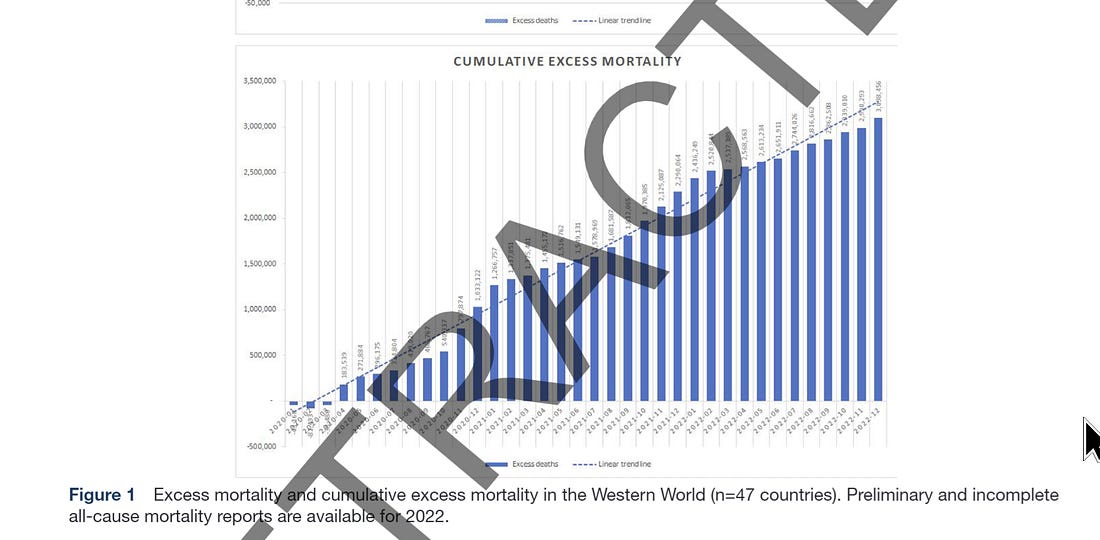
Study finds four Australian regions with little COVID and brief lockdowns saw excess deaths surge after 90%+ COVID “vaccine” uptake in 2021.
Yesterday, Raphael Lataster published an ecological analysis in the International Journal of Risk & Safety in Medicine examining excess mortality in Australia during 2021.
Australia provided something rare: a real-world natural experiment. Several regions — Queensland, Western Australia, South Australia, and the Northern Territory — had very low COVID circulation in 2021, avoided prolonged lockdowns, yet injected nearly their entire adult populations with experimental shots.
By the end of 2021, vaccination coverage (≥1 dose, age 16+) was:
Queensland: 90.8%
Western Australia: 92.1%
South Australia: 92.5%
Northern Territory: 89.3%
These regions vaccinated rapidly and thoroughly — despite having little COVID spread. Then excess deaths surged.
Queensland
361 excess deaths in 2021.
Only 4 were classified as deaths “from or with COVID.”
99% of excess deaths were not attributed to COVID.
Western Australia
140 excess deaths.
0 COVID deaths.
100% of excess deaths occurred without COVID attribution.
South Australia
68 excess deaths.
4 COVID deaths.
94% of excess deaths were not COVID.
Northern Territory
76 excess deaths.
2 COVID deaths.
97% were not COVID-related.
Combined
Across these four regions in 2021:
Total excess deaths: 645
Total deaths classified as “from or with COVID”: 10
That means 635 of 645 excess deaths — 98.4% — were not attributed to COVID.
In these four regions in 2021:
COVID-19 mortality declined.
Lockdowns were brief and limited.
Vaccination rates exceeded 89% in every region.
Excess mortality rose sharply.
When high COVID burden and prolonged lockdown confounders are removed, what remains is mass vaccination. In these four regions, the sequence is unmistakable: rapid, near-universal vaccine rollout followed by a measurable spike in excess deaths.
This study helps to explain why the United States experienced an estimated 470,000–840,000 mRNA “vaccine” deaths:

Forcing an entire population to produce non-human, pathogenic proteins inside their bodies comes with consequences.
Source: https://open.substack.com/pub/petermcculloughmd/p/breaking-98-of-excess-deaths-in-highly
Veteran here. 45 years of drinking. Over a year sober. Let me tell you some uncomfortable truths about alcohol that the £1.5 trillion industry and the governments taking tax money from your poisoning really don’t want discussed.
Buckle up. This gets ugly.
TRUTH 1: ALCOHOL IS A CLASS 1 CARCINOGEN – SAME AS ASBESTOS AND PLUTONIUM
The World Health Organisation put alcohol in Group 1. That means “definitely causes cancer in humans.” Not might. Not probably. Definitely.
You know what else is Group 1? Asbestos. Plutonium. Tobacco. Processed meat. Formaldehyde.
But you can’t buy asbestos at Tesco for £6. You can’t get plutonium on special offer at Sainsbury’s. They’re regulated, banned, and controlled because they cause cancer.
Alcohol? In every supermarket. Every corner shop. Every petrol station. Next to the crisps.
It causes seven types of cancer: mouth, throat, oesophagus, liver, breast, bowel, and larynx. That’s not disputed. That’s an established medical fact.
But the industry doesn’t want cancer warnings on bottles because it might affect sales. And the government doesn’t want to push too hard because they’re making £12 billion a year in alcohol duty.
So they let you buy carcinogens with your weekly shop and pretend it’s fine because of tradition, culture, and profit margins.
TRUTH 2: THERE IS NO SAFE LEVEL OF ALCOHOL CONSUMPTION
None. Zero. Not a glass with dinner. Not a pint after work. Not champagne at weddings.
The WHO published this in 2023. The Canadian government updated their guidelines: no amount of alcohol is safe.
But you won’t see that on billboards. You won’t see it in advertising. You definitely won’t hear it from your GP unless you specifically ask.
Why? Because if people genuinely understood that ANY amount is harmful, they might stop drinking. And we can’t have that. Think of the economy.
“Moderation” is a marketing term. It’s not a health recommendation. It’s the alcohol industry’s way of keeping you buying while pretending to be responsible.
There is no safe dose of poison. You’re just choosing how much poison you’re willing to accept.
TRUTH 3: ALCOHOL IS MORE DANGEROUS THAN HEROIN AND CRACK COCAINE
In 2010, Professor David Nutt published research ranking drugs by harm. Alcohol came out on top. More harmful than heroin, crack, meth, and cocaine.
Not just harm to the user. Total harm—including harm to others, harm to society, harm to families, economic cost, and healthcare burden.
Alcohol wins. It’s the most dangerous drug we have. And it’s legal, available everywhere, and actively promoted.
Heroin? Illegal. Prison time. Addiction services. Social stigma.
Alcohol? Sponsored sports events. TV advertising. “Drink responsibly” as if that makes it fine.
Professor Nutt lost his government advisory position for publishing this research. Because truth is less important than protecting an industry worth trillions.
TRUTH 4: ALCOHOL IS A NEUROTOXIN THAT KILLS BRAIN CELLS
Every time you drink, you’re poisoning your nervous system. That’s not metaphorical. That’s literal biochemistry.
Alcohol crosses the blood-brain barrier. It damages neurons. It kills brain cells. It impairs cognitive function. It shrinks your brain over time.
“But I feel fine!” Yeah, because brain damage is gradual. You don’t wake up after one night of drinking and forget your name. You slowly lose cognitive capacity over the years, so gradually you don’t notice.
Until you’re 50 and can’t remember words. Can’t focus. Can’t think as clearly as you used to. And you put it down to ageing.
It’s not ageing. It’s decades of voluntary exposure to neurotoxins.
The alcohol industry knows this. They just don’t put “BRAIN DAMAGE IN A BOTTLE” on the label because, shockingly, that doesn’t sell.
TRUTH 5: MODERATE DRINKING IS NOT GOOD FOR YOUR HEART
Remember that? Red wine is good for your heart? The French Paradox? Resveratrol and antioxidants?
All bollocks. Industry-funded research. Cherry-picked data. Correlation mistaken for causation.
Independent research shows that alcohol increases your risk of cardiovascular disease. Even moderate drinking raises blood pressure, increases the risk of atrial fibrillation, and contributes to heart disease.
The “heart healthy” myth was created and promoted by alcohol companies. And it worked. Millions of people still think a glass of wine a day is medicinal.
It’s not. It’s poison. There’s nothing in wine that you can’t get from actual grapes without the ethanol.
But “eat a grape” doesn’t sell bottles. “Heart healthy wine” does.
The industry made billions on this lie. And people are still drinking for their health. Unbelievable.
TRUTH 6: ALCOHOL IS MORE ADDICTIVE THAN YOU THINK
About 10-15% of people who drink will develop alcohol use disorder. That’s not a small number. That’s millions of people.
But it’s presented as a personal failing. “Alcoholics” have a problem. Everyone else is fine. Drinking normally. In control.
Except alcohol is physically addictive. It changes your brain chemistry. It creates dependency. And the line between “social drinker” and “problem drinker” is thinner than anyone wants to admit.
The industry loves the “alcoholic” label. It puts all the blame on the individual. It’s not the product. It’s not the marketing. It’s not the availability. It’s YOU. You’re the problem. The alcohol is fine.
Except it’s not. It’s an addictive substance. That’s what it does. That’s its nature.
But if we acknowledged that alcohol is inherently addictive, we’d have to question why we’re allowing an addictive drug to be sold everywhere with minimal restriction.
Can’t have that conversation. Bad for business.
TRUTH 7: THE GOVERNMENT MAKES MORE MONEY FROM ALCOHOL THAN IT SPENDS ON ALCOHOL HARM
UK government takes in about £12 billion a year in alcohol duty and VAT.
The cost of alcohol harm to the NHS, police, courts, social services, lost productivity? Around £27 billion a year.
So the government makes money, but society pays the real cost.
And the government knows this. But they can’t ban it or heavily restrict it because:
a) Political suicide—people would riot
b) They’d lose £12 billion in easy revenue
c) The alcohol lobby is incredibly powerful
So they do token gestures. Minimum pricing. “Drink aware” campaigns funded by the industry itself. Guidelines nobody follows.
Meanwhile, 3 million people die globally every year from alcohol. But tax revenue is more important than public health.
TRUTH 8: ALCOHOL CAUSES VIOLENCE, CRIME, AND SOCIAL HARM ON A MASSIVE SCALE
39% of violent crime involves alcohol. Domestic abuse, assault, murder—alcohol is a factor in nearly half.
But we don’t talk about it like that. We talk about “drunk and disorderly.” We talk about “lads on a night out.” We minimise it. Normalise it.
If any illegal drug caused this level of violence and social harm, there’d be a war on it. Armed police. International task forces. Billions spent eradicating it.
Alcohol causes the same harm? “Well, people need to drink responsibly. It’s not the alcohol’s fault.”
Yes it fucking is. Alcohol reduces inhibitions and increases aggression. That’s pharmacology. That’s what it does.
But we can’t acknowledge that because then we’d have to do something about it. And doing something would affect profits.
So we accept thousands of violent crimes every year as the price of keeping booze legal and available.
TRUTH 9: THE ALCOHOL INDUSTRY ACTIVELY TARGETS YOUNG PEOPLE AND VULNERABLE GROUPS
Despite saying they don’t. Despite “responsible marketing” codes. Despite industry self-regulation.
They sponsor sports that kids watch. They use social media influencers. They create sweet, candy-flavoured drinks that appeal to young people. They advertise near schools and universities.
Why? Because they need to recruit new drinkers. Because older drinkers either quit, cut back, or die.
The industry needs young people to start drinking early and drink often. That’s their customer pipeline.
And they do it while claiming they’re against underage drinking. While funding “drink aware” campaigns. While pretending they care.
They don’t. They care about profit. And young drinkers are profitable for decades.
TRUTH 10: YOU’RE BEING MANIPULATED BY THE MOST SUCCESSFUL MARKETING IN HUMAN HISTORY
The alcohol industry has convinced entire societies that their product—a toxic, addictive, carcinogenic poison—is essential for:
Celebration. Commiseration. Socialising. Relaxing. Success. Sophistication. Confidence. Fun. Romance. Culture. Tradition.
They’ve made it so embedded in every aspect of life that NOT drinking is seen as weird. As extreme. As something that requires explanation and justification.
Think about that. You have to explain why you DON’T want to consume poison.
That’s the power of marketing. That’s generations of propaganda so effective that the absence of their product is now abnormal.
They’ve normalised poison. They’ve made it sophisticated. They’ve made it essential. They’ve made it so you defend their right to sell it to you even after knowing what it does.
That’s genius. Evil genius. But genius nonetheless.
THE BOTTOM LINE
Alcohol is a toxic, addictive, carcinogenic neurotoxin that causes cancer, brain damage, violence, and massive social harm.
It’s more dangerous than illegal drugs. It has no safe consumption level. It’s not good for your heart or any other part of you. It’s designed to be addictive and is marketed to keep you drinking.
The industry knows all this. The government knows all this. They just don’t want YOU to know all this. Or think about it too hard.
Because if you did? If everyone did? The whole £1.5 trillion house of cards collapses.
So they keep it vague. They keep it about “personal responsibility.” They keep the truth buried under marketing, tradition, and cultural normalisation.
And people keep drinking. Keep getting sick. Keep dying. Keep defending the substance that’s killing them.
After 45 years of drinking and over a year sober, I finally see it clearly:
Alcohol is the most successful con in human history. They convinced us to pay them to poison us. And we did it happily. Repeatedly. For our entire adult lives.
Then when it damaged us, we blamed ourselves. Not the poison. Not the industry. Ourselves.
That’s the real genius. They sold us poison, we developed problems from the poison, and we took the blame.
Fucking brilliant when you think about it.
Veteran. 45 years drinking. Over a year sober. Finally seeing the con for what it is.
The truth is ugly. Uncomfortable. Inconvenient.
But it’s still the truth.
And no amount of marketing, lobbying, or tax revenue changes it.
Alcohol is poison. Always has been. Always will be.
Everything else is just expensive packaging and lies.

Did you know that one of the most rigorous cholesterol trials in history was kept hidden for 40 years?
I didn’t either and when I learned about it, I was stunned.
Between 1968 and 1973, researchers conducted what should have reshaped nutrition science:
THE MINNESOTA CORONARY EXPERIMENT.
It was a gold-standard, blinded, randomized controlled trial involving 9,423 men and women across six mental institutions and one nursing home. A rare setting allowing precise dietary control
The question was simple:
If saturated fats like butter and beef are replaced with vegetable oils rich in linoleic acid, will lowering cholesterol reduce heart disease and save lives?
The intervention worked exactly as intended.
Cholesterol fell by 13.8%.
On paper, this should have been a success but the outcomes shocked researchers.
Lower cholesterol did NOT reduce mortality.
In fact, for every 30 mg/dL drop, the risk of death INCREASED by 22%.
Even more unsettling, autopsy-confirmed data showed heart attacks were nearly twice as common in the low-saturated-fat, high-vegetable-oil group (41% vs 22%).
Let that sink in.
This wasn’t observational data or food questionnaires. It was controlled feeding, randomization, and autopsy-confirmed outcomes.
And then the data disappeared.
Stored on nine-track tapes, forgotten in a basement, it remained unpublished for 40 years until it was finally recovered and published in The BMJ (2016).
To confirm the findings, researchers went further, running a meta-analysis of similar randomized trials (10,800+ participants) that specifically replaced saturated fat with linoleic-acid-rich vegetable oils.
The result?
No reduction in heart disease
No reduction in all-cause mortality
A trend toward worse outcomes
So why didn’t this change the narrative?
Some argue the linoleic acid dose was too high. Others point to possible trans fats. But the uncomfortable truth remains:
Cholesterol fell and outcomes worsened.
Even more striking, the relationship held across both groups: the lower cholesterol dropped, the higher mortality rose, regardless of diet.
The takeaway isn’t that cholesterol doesn’t matter. It’s that biology is more complex than a single biomarker.
Before demonizing foods like butter and beef or issuing sweeping dietary guidelines, we should ask:
What does the totality of evidence really show?
Who benefits and who might be harmed?
Because sometimes, science doesn’t fail.
Sometimes, it just gets buried.
<p>Walter White on Canivore Rx on Facebook</p>