This is just SO bad…

Tom's Blog on Life and Livingness
This is just SO bad…
I heard that recently, Bill Gates visited the Prime Minister of Singapore and that shortly thereafter, Singapore passed legislation that made refusing a vaccine punishable by fines and jail time. This is abhorrent!
And that 173 nations have just ceded personal and national health sovereignty to the WHO. This is doubly abhorrent!
So I pulled up this article from 2021 and am sharing it with you again. In my humble opinion, given the severe health issues, let alone deaths, that many suffered after the Covid shot, it is worth printing out and having available should the anticipated next round come to pass.
A conversation from Chris Potts
Had a call from the NHS again today, asking if I’d like to book an appointment for a thingy. only the second call I’ve had in fairness. different caller this time, so once I again I took them through the same procedure as I did with the previous call. which was…
NHS.. hello Mr Potts I’m calling to see if you would like to make an appointment for a C thing. you can make an appointment with your Dr or local Pharmacy.
ME.. hello, would you like to take through the relevant stages, so I can make an informed choice as to whether I’d like to accept your offer of a thingy, or respectfully decline your offer.
NHS.. short pause, what stages are you referring too Mr Potts?.
ME.. well, firstly are you going to explain to me, that the things in question are experimental technologies, and by agreeing to have one, I’ll be taking part in a phase four clinical trial that runs until January 2023.
NHS.. sorry Mr Potts, I don’t have information like that to give you. as I’m not aware of any clinical trials taking place.
ME.. OK, could you please give me a full list of the ingredients of the particular thing, I’d be taking, so I can check to see if I’m allergic to any of them, and avoid the possibility of a reaction.
NHS.. sorry Mr Potts, I can’t give you that information, as I don’t know which brand of thingy you’d be offered.
ME.. ok, then perhaps you could give me a list of alternative treatments that are available, that don’t involve invasive procedures like thingys, and have a proven record of safety and efficacy?
NHS.. again I’m sorry Mr Potts I don’t have any information of that kind at hand, regarding alternative treatments.
At this point I pointed out to the guy that, the three questions I asked him, make up the core principles of gaining INFORMED CONSENT, before any medical procedure can be carried out. and that those principals are protected under international law. I also pointed out, he was perfectly within his rights to call and ask me if I’d like to make an appointment, but in doing so he should have gone through those three stages with me first, as required by law when asking anyone to under go a medical procedure.
In fairness to him guys, he was reasonable about the whole thing, and obviously logged me as “offered but declined,” in a short conversation we had before the call was ended, he said “i take it you’ve looked into this topic then Mr Potts,” I replied “i have indeed my friend, thoroughly.” the impression I got, was that I’d raised his curiosity level a notch, especially the first part about this thingy roll out being a phase four clinical trial, I truly believe he genuinely had no idea this was the case.
As I pointed out many times before, we do still have legally protected rights to decline the thing. once you know your rights, and the legal procedures health care providers must follow by law to gain your INFORMED CONSENT, no amount of threats or coercion can change the fact, that without providing the answers to the three questions I asked, any consent I gave, would not legally be deemed informed and would therefore be invalid. I can’t stress that enough to you guys, know your rights and use them. you’d be surprised how quickly even the most persistent callers back off, once they realise the person on the other end of the phone is no mug lol.
Great questions to ask before you consider the thingy.

The Japanese medical researchers raise disturbing questions with this significant study. For example, as published in the peer-reviewed Cureus the team observed in 2022, after mass population exposure to COVID-19 mRNA vaccines “statistically significant increases in age-adjusted mortality rates of all cancer and some specific types of cancer, namely, ovarian cancer, leukemia, prostate, lip/oral/pharyngeal, pancreatic, and breast cancers.”
(Tom: From the get-go I knew it was a scam and started documenting all the ways it was, doing my best to help people be aware enough to not fall for it.
Then, on hearing of the destructive nature of the Spike Protein and the planned jab material I started collecting data on what could help. To aid those tricked/coerced into getting the jab/those suffering post exposure to the jabbed, I did my best to compile a Jab Recovery Protocol from various sources: https://www.tomgrimshaw.com/tomsblog/?p=35644
Then, when my wife suffered a post-jab pulmonary embolism, I created a formula from many of the ingredients in my protocol and started to collect information specifically about the Spike Protein and its destructive effects on the body.
If you have any doubts or reservations that EVERYBODY needs to do a detox from the Spike Protein, read the snippets of articles on the About tab of this page: https://www.healthelicious.com.au/NutriBlast-Anti-Spike.html
then get an Anti-Spike Blend from me or someone else. I believe mine is the most comprehensive but do your own due diligence.)
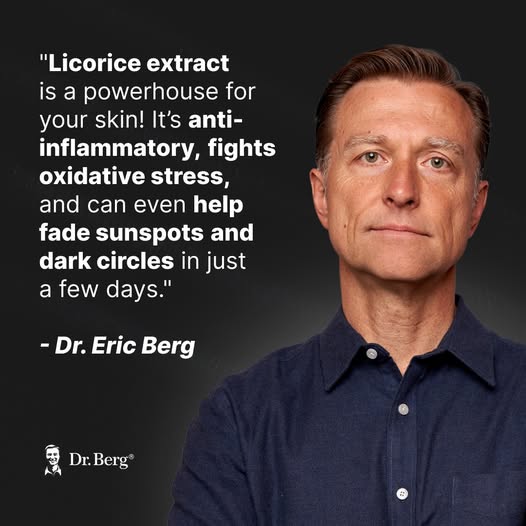
(Tom: Dr Berg has some things to say about one of the ingredients in my top food bars: https://www.healthelicious.com.au/Bug-Out-Bar.html and Greens Plus: https://www.healthelicious.com.au/Nutri-Blast-Greens-Plus.html)
Dr Berg On Licorice
(Tom: Dr Berg has some things to say about one of the ingredients in my top food bars: and Greens Plus: https://www.healthelicious.com.au/Nutri-Blast-Greens-Plus.html)
Dr Berg: Licorice could be the secret to finally tackling those dark circles and sunspots! Download my free resource on 25 home remedies that really work, including how to use everyday household ingredients to address minor ailments: https://drbrg.co/4jMTqtv
mRNA vaccines kill and continue to kill Bifodbacteria. Loss of Bifodbacteria is associated with Autism, Cancer, Crohns, Lyme disease.
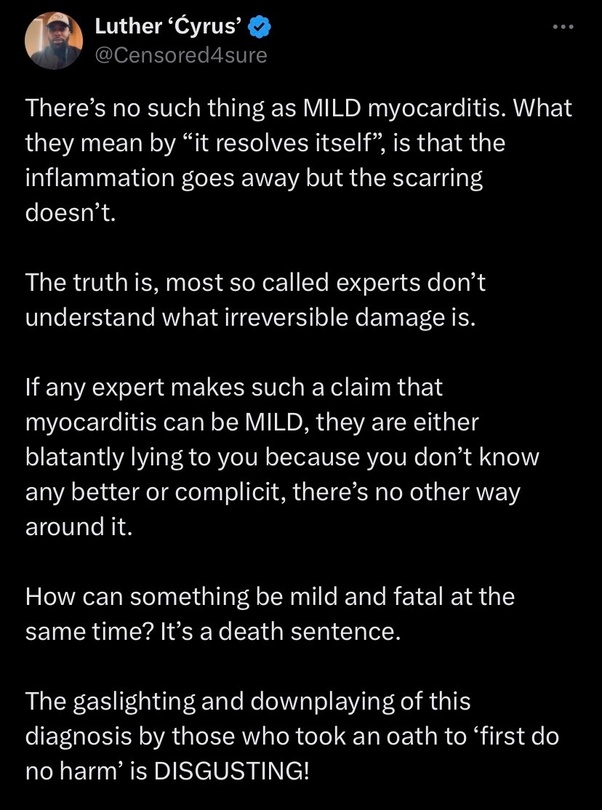
Whilest Luther makes a valid point, there is an enzyme called Serrapeptase that I have as part of my Anti-Spike Blend that helps resolve internal scar tissue. If you have had the Covid shot, contracted Covid or been around someone in the first two groups (therefore been exposed to the Spike Protein via transfection) check out my https://www.healthelicious.com.au/NutriBlast-Anti-Spike.html,
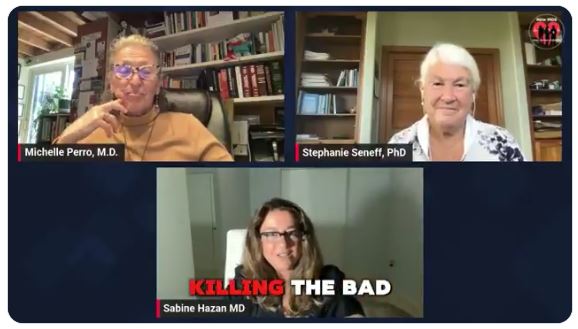
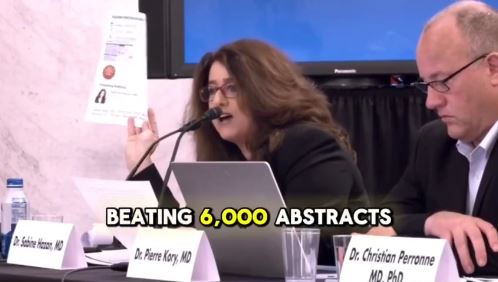
Dr. Sabine Hazan, renowned gastroenterologist, shares stunning findings from her latest study on the microbiome’s role in autism.
In a soon-to-be-published paper, Dr. Hazan’s team analyzed 20 autistic children, their 23 neurotypical siblings, and 6 neurotypical children with no family history of autism. The results? A striking pattern emerged: autistic children had significantly lower or absent levels of Bifidobacterium—a critical microbe abundant in newborns but depleted in these kids. Siblings showed higher Bifidobacterium levels, but even they lagged behind the unrelated neurotypical group, pointing to a household-linked gut dysbiosis.
Dr. Hazan’s team went further, studying identical twins—both nonverbal, aggressive, and lacking Bifidobacterium at baseline, with identical elevated harmful microbes.
After targeted treatment to restore their microbiomes, these twins, now 7, are fully verbal and non-aggressive just seven months later.
Dr. Hazan emphasizes: “The microbiome is the key. These microbes travel from the gut to the brain via the vagus nerve, influencing behavior.
Ignoring this is a disservice to nonverbal autistic children who suffer, and their families who live in crisis.”
She calls for urgent research and therapeutics to address this gut-brain axis, particularly for nonverbal autistic children who engage in self-harm or require constant care.
In California, where autism rates are soaring, Dr. Hazan argues it’s unacceptable to focus solely on rehabilitation without tackling the root causes.
Had this on my mind when I woke so I thought to pen it for you.

So, if that’s the problem, what’s the solution?
The interlocking pieces of the jigsaw puzzle of government help to explain why it is hard to accomplish systemic change or improvement. Every piece fights to hold the system in place. If one element within the system tries to rise above their delegated functionality, the eight surrounding pieces act to enforce the existing system.
That makes it near impossible to change the system.
As Buckminster Fuller once so wisely opined, “You never change things by fighting the existing reality. To change something, build a new model that makes the existing model obsolete.”
What continues to persist is what we tolerate. We tolerate the existing nature of government because collectively, the individuals in this society are less aware, less intelligent, less competent, less ethical and less responsible than the level required to create a better reality.
If we focus our efforts on addressing this problem then many others will automatically resolve.
If you would like to change or improve something about yourself, to increase your awareness, intelligence, competence etc., reach out to me. I would love to help you do so.
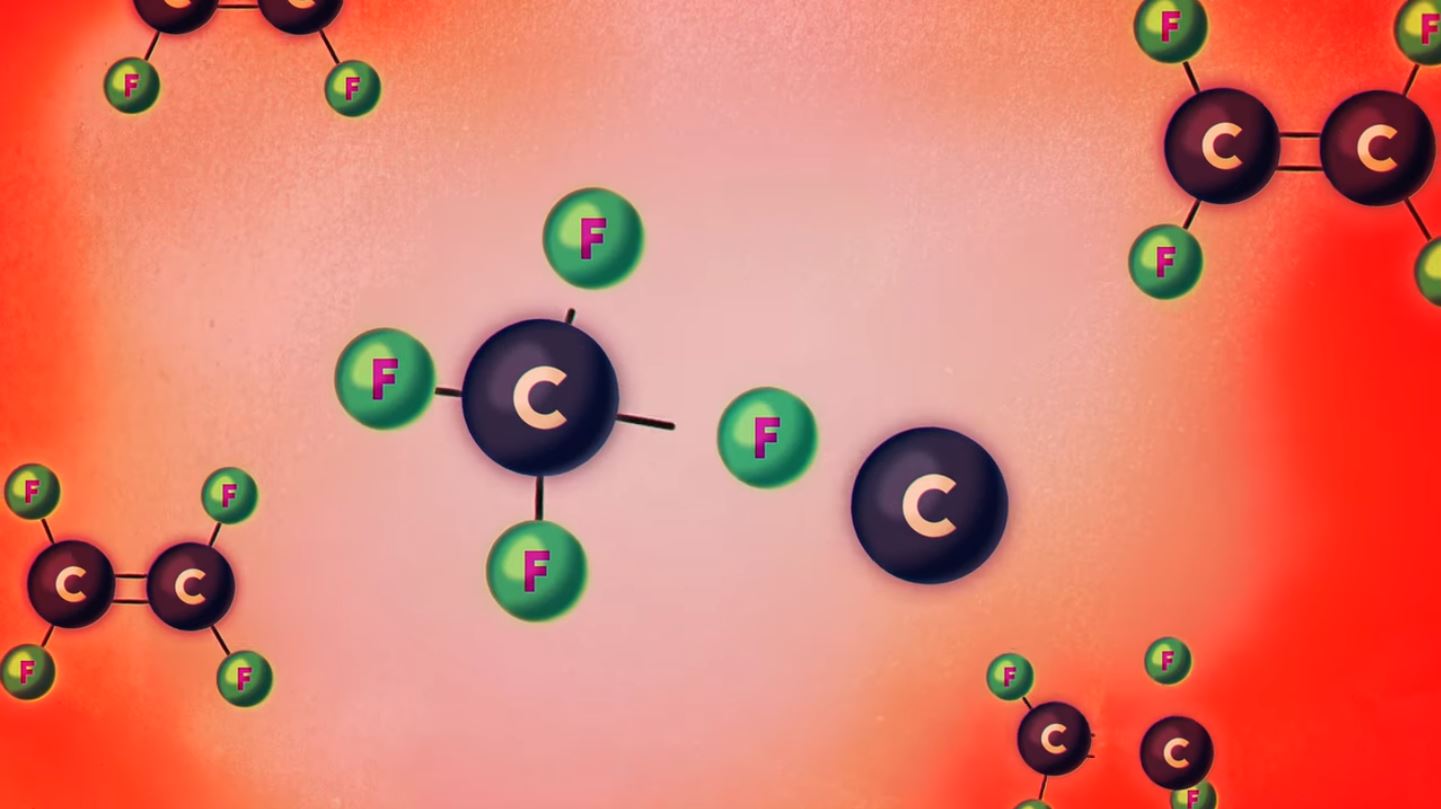
An interesting and informative look at how Teflon came to be and the downstream results from its manufacture.