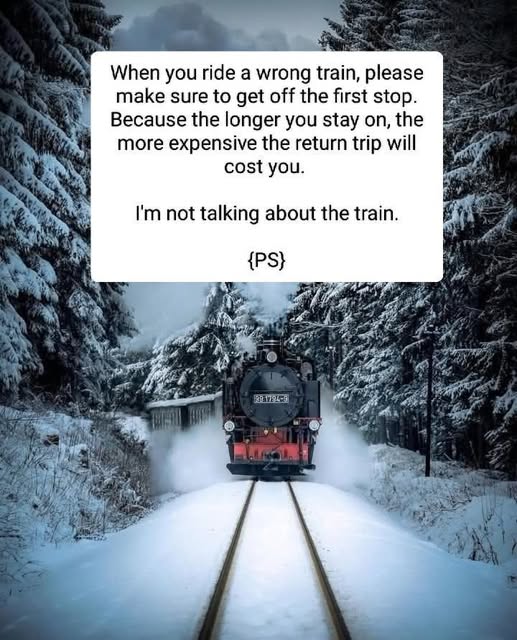
Get Off At The First Stop
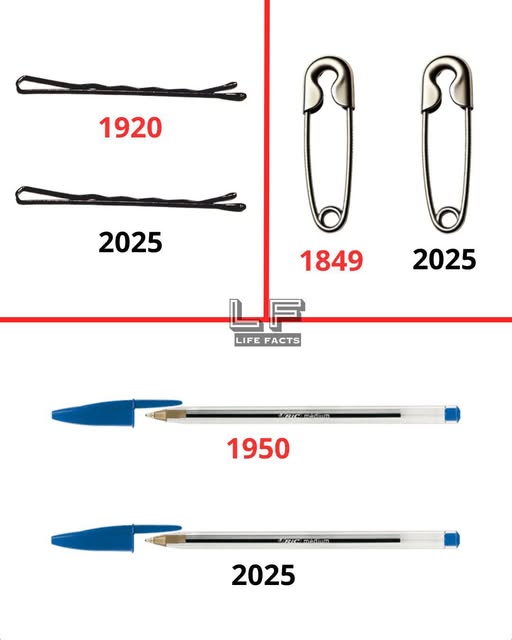
Timeless Design
The Day My Grandma Gave Me Words That Quieted My Fear Forever
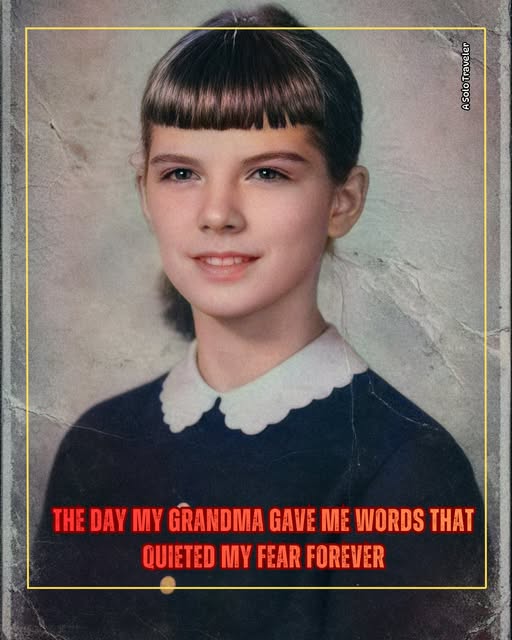
I was about eleven years old the day my grandmother said something that quietly rearranged how I see the world.
It was an ordinary school day. Nothing dramatic. Just the usual mile-long walk from school, past familiar houses, down the road that led to my grandparents’ farmhouse. Most days, I’d burst through the door talking about class or homework or whatever small thing felt big at that age.
But that day was different.
I walked in quieter than usual. Slower. Carrying something heavy I didn’t yet have words for.
Grandma noticed immediately.
She didn’t ask what was wrong. She didn’t rush me or fill the silence. She simply took my coat, led me into the kitchen, and did what she always did when someone needed comfort without knowing it yet.
She made hot chocolate.
She set out cookies.
She sat down and waited.
Halfway through my drink, the truth finally slipped out.
“I thought this girl at school liked me,” I said, staring into my cup. “But today she said something mean. I don’t think anyone at school likes me.”
For an eleven-year-old, that felt like the whole world collapsing. Like being quietly rejected by life itself.
Grandma didn’t jump in with reassurances. She took a slow sip of her coffee, the way she always did when she was choosing her words carefully. Then she looked at me, soft but steady, and said:
“Totty,” she began.
She always called me Totty instead of Kathy.
“Totty, a few people in life will really like you. Some people won’t like you at all. But most people?”
She paused.
“They won’t think much about you either way.”
I remember blinking at her, surprised.
“They might notice your shoes. Or your smile. Or say hello in passing,” she continued. “But once you’re out of sight, they’ll go right back to their own lives.”
Even at eleven, it landed.
She wasn’t being unkind. She was being honest in the gentlest way possible. She was telling me that one person’s words didn’t define my worth. That most people aren’t judging us as harshly as we imagine. That they’re usually just busy surviving their own days.
Then she added something that stayed with me even longer.
“If someone walks by and doesn’t say hello, it probably isn’t personal. Maybe they’re distracted. Maybe they’re worried about something you can’t see. And if someone is rude when you haven’t done anything wrong,” she said, “there’s a good chance they’re carrying something heavy themselves.”
In other words: not everything is about you. And that’s not a bad thing.
That moment settled into me quietly. It didn’t erase hurt forever. But it gave me somewhere to return.
Even now, years later, when I feel left out.
When someone’s silence stings.
When words land harder than they should.
I go back to that kitchen.
To the hot chocolate.
To my grandma’s calm voice.
And I remind myself:
If I didn’t do anything wrong, then it probably has more to do with them than me.
That small piece of wisdom has softened a lot of hard days.
And I’ve never forgotten it.
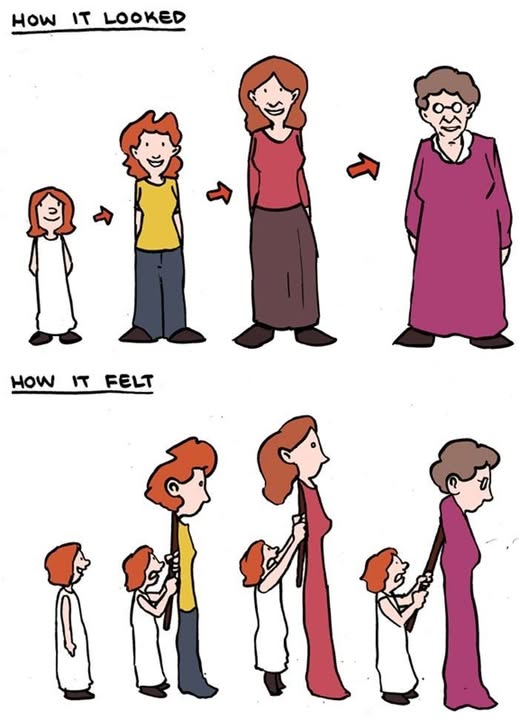
How It Looked vs Felt
Robby Krieger

In 1965, a shy guitar player walked into a Los Angeles rehearsal with a problem.
Jim Morrison, the charismatic front man of their new band, had been writing all the songs. But they didn’t have enough material. Morrison looked at the quiet guitarist and said something that would change music history.
“Why don’t you try writing one?”
Robby Krieger had never written a rock song in his life. He was a flamenco guitarist. He finger picked without a pick. He studied meditation while Morrison chased chaos. But that night, he went home to his parents’ house, sat down with his guitar, and tried anyway.
By morning, he had written the bones of “Light My Fire.”
He brought the unfinished melody to rehearsal. Morrison added a verse. Keyboardist Ray Manzarek layered in a baroque organ intro inspired by Bach. Drummer John Densmore suggested a Latin rhythm. Four musicians, four different backgrounds, one hypnotic seven-minute masterpiece.
There was just one problem. Radio stations in 1967 refused to play seven-minute songs.
So their record label cut it down to under three minutes, stripping out the extended solos. The shortened version exploded. It spent three weeks at number one on the Billboard charts and became the anthem of a generation.
And the quiet kid who created it? He stayed in the background.
While Morrison drank, provoked audiences, and courted destruction, Krieger avoided alcohol and cigarettes. While Morrison grabbed headlines, Krieger quietly wrote hit after hit. “Love Me Two Times.” “Touch Me.” “Love Her Madly.” These weren’t Morrison songs. They were Krieger songs.
When Morrison died in Paris in 1971 at just twenty-seven years old, everyone expected The Doors to collapse. They were wrong.
Krieger, Manzarek, and Densmore kept going. They recorded two more albums, sharing vocals, pushing deeper into jazz territory. The albums weren’t commercial blockbusters. But they proved something important. The Doors were never just one man.
After the band officially ended in 1973, Krieger kept evolving. He formed new groups. He explored jazz-fusion. He experimented with sounds Morrison never would have attempted. For decades, he and Manzarek toured together, keeping The Doors’ music alive until Manzarek’s death in 2013.
But Krieger’s own journey had its darkness too.
In his 2021 memoir, he revealed a truth that shocked longtime fans. The guitarist known as the “clean Door” had battled his own demons. After years of avoiding substances, he struggled with heroin and cocaine addiction—the same monsters he’d watched destroy Morrison. He got clean. He beat stage four cancer. He kept playing.
Today, at seventy-nine years old, Robby Krieger is still bending strings.
He was never the wild man. Never the poet. Never the face on the posters. But he wrote the fire that made The Doors immortal. And he spent a lifetime proving that the quiet ones sometimes burn the longest.
Some legends flame out fast.
Robby Krieger lit the match, walked through the fire, and never stopped playing.
Robert Plant
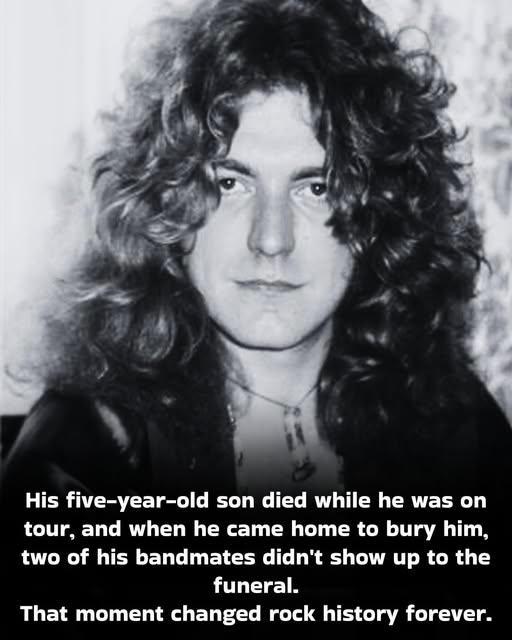
His name was Robert Plant, and on July 26, 1977, he received the phone call that would redefine everything he thought mattered.
He was in New Orleans with Led Zeppelin—the biggest band on Earth. They’d just sold out stadiums across America. Millions of dollars. Infinite momentum. The machine had no off switch.
Then his wife called.
The first call said their five-year-old son Karac was sick—a stomach virus, nothing unusual.
The second call came hours later.
Karac was dead.
Robert Plant—the golden god of rock, the voice that defined a generation, the man who seemed untouchable—fell apart in a hotel room half a world away from where his child had taken his last breath.
There was no warning. No goodbye. Just a sudden infection that killed a healthy five-year-old boy in a matter of hours while his father sang for strangers.
The tour was cancelled immediately. Plant flew home to England.
And when he arrived to bury his son, only one of his three bandmates showed up.
John Bonham—Led Zeppelin’s drummer—came to the funeral. Bonham’s wife Pat came. They stood with Plant’s family through the unbearable.
Jimmy Page and John Paul Jones did not come.
Different accounts exist about why. Some say Page was on a bender. Others say Jones was on vacation. Page later said, “We were all mates. We had to give the man some space.”
But Plant didn’t want space.
He wanted his friends.
Years later, Plant would say about that absence: “The other guys were from the South [of England], and didn’t have the same type of social etiquette that we have up here in the North that could actually bridge that uncomfortable chasm with all the sensitivities required.”
He was more blunt with tour manager Richard Cole: “Maybe they don’t have as much respect for me as I do for them. Maybe they’re not the friends I thought they were.”
Biographer Mick Wall wrote: “Until then, Robert was still in thrall to Jimmy and what he had created with Zeppelin. After that incident, Jimmy no longer held the same mystique for Robert. It was also the beginning of Robert having much more power over what the band did or didn’t do next. He truly no longer cared and therefore was ready to walk at any point.”
Something fundamental broke.
Plant retreated home with his wife Maureen and daughter Carmen. He stopped everything—the drugs, the alcohol, the persona. “I stopped taking everything on the same day,” he said later. “The most important thing to me is my family and when I got off my face, I found it difficult to be all things to the people that meant a lot to me.”
He told Rolling Stone: “I lost my boy. I didn’t want to be in Led Zeppelin. I wanted to be with my family.”
Plant applied for a job at a Rudolph Steiner training college in Sussex. He was serious about walking away from rock entirely. The man who’d sung “Immigrant Song” and “Whole Lotta Love” to millions wanted to teach children in a quiet English countryside school.
“I just thought: ‘What’s it all worth? What’s that all about? Would it have been any different if I was there—if I’d been around?'” Plant recalled. “So I was thinking about the merit of my life at that time, and whether or not I needed to put a lot more into the reality of the people that I loved and cared for.”
John Bonham convinced him to return—not with arguments about duty or money, but with friendship.
“After the death of my son Karac in 1977, I received a lot of support from Bonzo,” Plant said. “He had a six-door Mercedes limousine and it came with a chauffeur driver’s hat. We lived five or six miles apart, and sometimes we’d go out for a drink. He’d put the chauffeur driver’s hat on and I’d sit in the back of this stretch Mercedes and we’d go out on the lash. Then he’d put his hat back on and drive me home.”
Bonham would drive past police while drunk, and the cops would wave them through: “There’s another poor fucker working for the rich!”
“He was very supportive at that time, with his wife and the kids,” Plant said. “So I did go back for one more flurry.”
But Plant was different when he returned. The swagger was gone. The mythology felt obscene.
“I didn’t really want to go swinging around,” he said. “‘Hey hey mama, say the way you move’ didn’t really have a great deal of import anymore.”
Led Zeppelin released one more album—In Through the Out Door in 1979. Plant wrote “All My Love” about Karac, a song that became both tribute and testimony to what had been lost.
“I think it was just paying tribute to the joy that he gave us as a family and, in a crazy way, still does occasionally,” Plant told Dan Rather decades later. “His mother and I often… the memory gets… changes, the contrast and the focus changes as time goes on. It’s a long time ago that we lost him. 40 years ago.”
Plant and his wife had another son, Logan, in 1979. “We were blessed with another boy who came along about two years later and the two images are blurred. The definition between Karac and Logan is—it’s a tough one to chip through the two things, but he was a little nature boy, you know? He was a mountain man.”
In 1980, Led Zeppelin prepared for their first North American tour since Karac’s death.
On September 24, 1980, John Bonham—Plant’s closest friend in the band, the man who’d sat with him through the darkest grief—arrived at rehearsals and began drinking.
He didn’t stop.
By midnight, Bonham had consumed approximately 40 shots of vodka—roughly 1.5 liters of alcohol in 12 hours.
He passed out. Someone put him to bed on his side.
The next morning, September 25, 1980, tour manager Benji LeFevre and bassist John Paul Jones found Bonham dead. He’d choked on his own vomit during sleep. He was 32 years old.
On his last day alive, driving to what would be his final rehearsal, Bonham had told Plant: “I’ve had it with playing drums. Everybody plays better than me. I’ll tell you what, when we get to the rehearsal, you play the drums and I’ll sing.”
The North American tour was cancelled.
On December 4, 1980, Led Zeppelin issued a statement:
“We wish it to be known that the loss of our dear friend and the deep respect we have for his family, together with the sense of undivided harmony felt by ourselves and our manager, have led us to decide that we could not continue as we were.”
Led Zeppelin was over.
No farewell tour. No final album. No goodbye spectacle.
The most profitable band in rock history simply stopped.
For decades afterward, the offers came. Reunion tours worth hundreds of millions of dollars. Festival headlining spots. Record-breaking paydays. Every offer bigger than the last.
Plant said no to all of them.
Fans called him selfish. Ungrateful. Cowardly. The industry kept waiting for him to crack, to need the money, to miss the glory enough to resurrect the machine.
He never did.
Instead, Plant did something radical: he dismantled the voice that made him famous.
He lowered his range. Abandoned the scream. Explored folk, bluegrass, world music, African rhythms. He collaborated with Alison Krauss on Raising Sand—an album of quiet, intimate songs that won five Grammy Awards including Album of the Year.
Critics called it decline. Plant called it survival.
“I couldn’t be that man anymore,” he said. “He died with my son.”
People remember Robert Plant as the golden god of Led Zeppelin—shirtless, screaming, invincible. That image freezes him in 1973, before the damage, before the loss, before the choices that revealed who he actually was.
His real legacy is harder and more important.
He proved that sometimes the most shocking act isn’t destruction—it’s refusal.
Refusal to monetize grief.
Refusal to let momentum consume the people caught in it.
Refusal to resurrect something that only survives by killing parts of the people inside it.
This story matters because it exposes a truth most people live with quietly: the world will keep asking you to return to what worked, even when returning would destroy what’s left of you.
Plant didn’t fade away. He didn’t burn out in a dramatic collapse.
He stopped.
He walked away from the most profitable brand in music history because his child mattered more than the mythology.
He refused reunion tours worth hundreds of millions because he’d already learned what momentum costs.
He changed his art entirely because staying the same would have required becoming someone he could no longer be.
In an industry built on endless resurrection, on squeezing every dollar from nostalgia, on never letting the machine stop—Robert Plant’s decision to simply walk away remains the most radical thing he ever did.
Not the screams. Not the stadiums. Not the golden god mythology.
The refusal.
The quiet, permanent, non-negotiable refusal to sacrifice what remained of his humanity for what the audience wanted.
Forty-five years later, Robert Plant is 76 years old. He still makes music. Still tours. Still creates.
But he’s never been Led Zeppelin again.
And he never will be.
“Every now and again Karac turns up in songs,” Plant said in 2018, “for no other reason than I miss him a lot.”
That’s the real Robert Plant.
Not the golden god frozen in 1973.
The father who buried his five-year-old son, lost his best friend three years later, and chose to protect what was left rather than feed it to the machine that wanted more.
Quote of the Day
“When everything seems to be going against you, remember that the airplane takes off against the wind, not with it.”
Henry Ford – Industrialist (1863 – 1947)
Kissing Facts
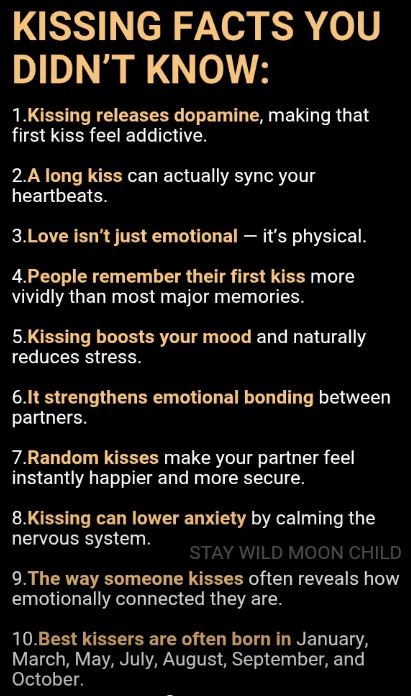
Pucker up for your partner. It’s good for both of you!
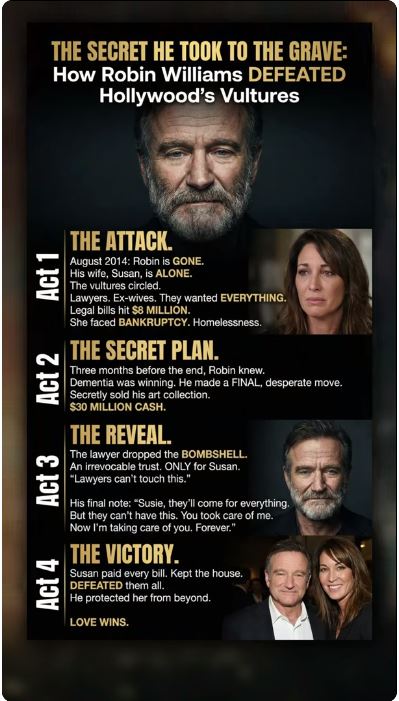
Robin Williams Victory