
Putting together some pieces the media won’t.
Finish reading: https://open.substack.com/pub/coffeeandcovid/p/memento-mori-tuesday-april-22-2025?

Tom's Blog on Life and Livingness
Putting together some pieces the media won’t.
Finish reading: https://open.substack.com/pub/coffeeandcovid/p/memento-mori-tuesday-april-22-2025?
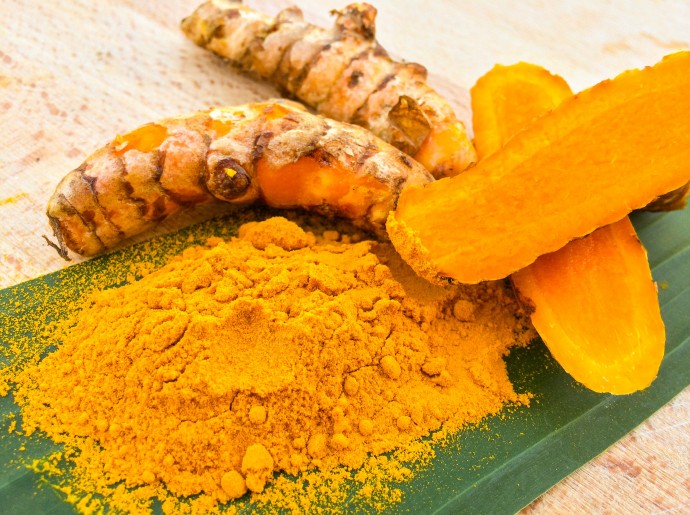
Written By: Sayer Ji, Founder
One small dose of turmeric powder was found to improve working memory in pre-diabetic patients.
Interest in turmeric as a tonic and regenerative agent for brain conditions is growing rapidly. Given the increased prevalence of neurodegenerative conditions such as Alzheimer’s disease, as well as an alarming uptick in brain cancer and the cognitively impairing metabolic dysregulations associated with type 2 diabetes.
Turmeric and its primary polyphenol curcumin hold great promise as an alternative to pharmaceuticals, none of which have been shown to address nor resolve the root causes of disease.
A recent study published in the Asia Pacific Journal of Clinical Nutrition titled, “Turmeric improves post-prandial working memory in pre-diabetes independent of insulin”, reveals the unique therapeutic profile of this ancient Indian spice in preventing cognitive impairment linked to pre-diabetes and dementia.
The study enrolled 48 60-year olds with newly recognized yet untreated pre-diabetes. They were randomized to receive either a placebo, turmeric (1,000 mg), cinnamon (2,000 mg) or both (1,000 mg & 2,000 mg respectively), ingested at a white bread (119 g) breakfast.
The researchers observed the participants’ metabolic responses over a 6 hour period for the following parameters:
· Pre- and post-working memory (WM),
· Glycemic and insulin responses
· Biomarkers of Alzheimer’s disease (AD)(measured at 0, 2, 4 and 6 hours):
amyloid precursor protein (APP),
y-secretase subunits presenilin-1 (PS1),
presenilin-2 (PS2),
glycogen synthase kinase (GSK-3ß).
The study results were reported as follows:
“We found that a modest addition of 1 gram turmeric to a rather nutritionally-bland breakfast of white bread improved working memory (WM) over 6 hours in older people with pre-diabetes. This was not the case for 2 grams of cinnamon.”
Moreover, they observed that body fatness and insulin resistance modulated the effect that turmeric had on improving working memory, “suggesting that the benefits of turmeric might be enhanced where these characteristics were less abnormal.”
While the study found the Alzheimer’s biomarkers “showed active correlations among themselves during the 6 hour study, these did not account for the link between turmeric and WM.” In other words, the researchers surmised that while the spice components access and modulate traditional Alzheimer’s biomarker pathways, no definitive mechanisms of action explaining how they affect working memory could be discerned in the study.
Interestingly, the study intentionally selected whole turmeric powder instead of extracts of curcuminoids, as is normally the case, in order to simulate real-world culinary exposure to the spice:
“We deliberately used whole turmeric rather than curcuminoids or turmeric extracts. We wanted to examine the commodity used in daily life and with which there are generations of experience and presumptive safety across Asian food cultures – south, north-east and south-east Asia, albeit in a range of cuisines. The amounts used were also within the usual household range.”
This study adds to a growing body of literature showing that turmeric/curcumin is both an excellent intervention for pre-diabetic patients (with up to a 100% prevention rate, according to a Diabetes Care study published two years ago), as well as anti-dementia agent, as evaluated in greater detail in previous reports we have done on the subject.
https://nexusnewsfeed.com/article/food-cooking/turmeric-boosts-working-memory-in-one-small-dose
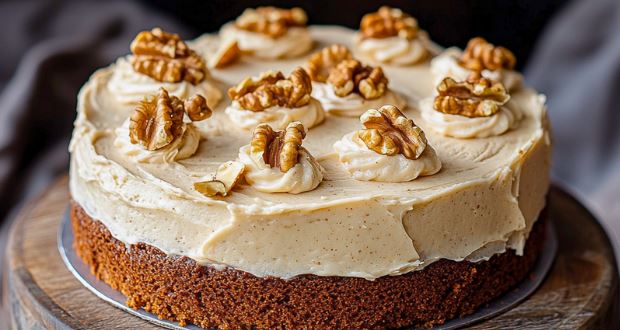
This decadent Walnut Date Spice Cake combines the brain-boosting power of walnuts with naturally sweet dates for a dessert that’s as nourishing as it is delicious.
Each slice delivers a perfect balance of warm spices and omega-3 rich walnuts, offering a guilt-free indulgence that supports cognitive function while satisfying your sweet tooth.
Servings: 12 slices
INGREDIENTS:
For the Date Paste:
2 cups pitted Medjool dates (about 20-24 dates)
1 cup hot water
1 teaspoon vanilla extract
For the Cake:
2 cups whole wheat pastry flour (or all-purpose flour)
1 cup finely chopped walnuts, plus extra for topping
2 teaspoons baking powder
1 teaspoon baking soda
2 teaspoons ground cinnamon
1/2 teaspoon ground nutmeg
1/4 teaspoon ground cloves
1/2 teaspoon salt
1 cup unsweetened plant milk (almond, oat, or soy)
1/3 cup applesauce
2 tablespoons ground flaxseed mixed with 6 tablespoons water (flax eggs)
1/4 cup avocado oil
For the Frosting (optional):
1 cup soaked cashews (soaked 4+ hours)
1/4 cup date paste (reserved from above)
2 tablespoons lemon juice
1 teaspoon vanilla extract
2-3 tablespoons plant milk, as needed
INSTRUCTIONS:
Soak the dates in hot water for 10 minutes. Drain, reserving 1/4 cup of the soaking water. Blend dates with the reserved water and vanilla until smooth.
Preheat the oven to 350°F (175°C). Line a 9-inch round cake pan with parchment paper.
In a large bowl, whisk together the flour, baking powder, baking soda, spices, and salt.
In another bowl, mix 1 1/2 cups of the date paste, plant milk, applesauce, flax eggs, and avocado oil.
Fold the wet ingredients into the dry ingredients until just combined. Fold in the chopped walnuts.
Pour the batter into the prepared pan. Sprinkle additional walnuts on top. Bake for 30-35 minutes until a toothpick inserted comes out clean.
Let the cake cool in the pan for 10 minutes, then transfer to a wire rack to cool completely.
To make the frosting (optional), blend the soaked cashews, reserved date paste, lemon juice, and vanilla until smooth. Add plant milk as needed to reach desired consistency.
Once the cake is completely cool, spread the frosting on top and garnish with additional walnuts.
Nutritional breakdown (per slice):
Calories: 325 kcal
Protein: 6g
Total Fat: 15g
Saturated Fat: 1.5g
Monounsaturated Fat: 9g
Polyunsaturated Fat: 4g
Total Carbohydrates: 45g
Dietary Fiber: 6g
Natural Sugars: 25g
Added Sugar: 0g
Micronutrients
Vitamin E: 10% DV
Vitamin B6: 12% DV
Iron: 10% DV
Magnesium: 15% DV
Phosphorus: 12% DV
Copper: 20% DV
Manganese: 45% DV
Selenium: 15% DV
From: https://goodnesslover.com/blogs/goodness-today/issue-58/
OK. So I made this last night. I did not have the half walnuts and did not have enough frosting for the curls on top, I used two cups of ordinary, not Medjool dates and that was not enough left for the frosting after I took one cup out for the cake so next time I will use three cups to start with.
I have an oven thermometer so had the temperature just right but it took closer to 45-50 minutes rather than the 30-35 the recipe states.
A wheat farmer weighs in on Wheat Belly
By Dr. Davis | January 8, 2012
Keith Lewis, a wheat farmer, left this insightful comment about modern wheat growing practices:
You conclude in your book that modern wheat breeding has dramatically changed the nutritional value of wheat. Modern wheat farming has as well.
I have been a wheat farmer for 50 yrs and one wheat production practice that is very common is applying the herbicide Roundup (glyposate) just prior to harvest. Roundup is licensed for preharvest weed control. Monsanto, the manufacturer of Roundup claims that application to plants at over 30% kernel moisture result in roundup uptake by the plant into the kernels. Farmers like this practice because Roundup kills the wheat plant allowing an earlier harvest.
A wheat field often ripens unevenly, thus applying Roundup preharvest evens up the greener parts of the field with the more mature. The result is on the less mature areas Roundup is translocated into the kernels and eventually harvested as such.
This practice is not licensed. Farmers mistakenly call it “dessication.” Consumers eating products made from wheat flour are undoubtedly consuming minute amounts of Roundup. An interesting aside, malt barley which is made into beer is not acceptable in the marketplace if it has been sprayed with preharvest Roundup. Lentils and peas are not accepted in the market place if it was sprayed with preharvest roundup….. but wheat is ok.
This farming practice greatly concerns me and it should further concern consumers of wheat products.
I went on a wheat and refined sugar free diet before I read your excellent book. I lost 30 lbs in three months. What a remarkable change…… In my 69th year I have never felt better.
In the book ‘Wheat Belly’, I focused on the changes introduced into the plant itself. But there are other aspects of wheat beyond the genetics and biochemistry of the plant, such as bleaching agents, pesticides, additives, and residues of herbicides like Roundup, as Mr. Lewis points out.
How much worse can this thing get?
What Do We Really Know About Roundup Weed Killer?
It’s probably in your garage and on your lawn. And it’s used on nearly every acre of corn and soy. But what risks does it pose?
By Elizabeth Grossman
A farmer in central Illinois sprays his cornfield with glyphosate. Seeds have been genetically engineered to tolerate the chemical so farmers can apply it to entire fields without destroying crops. As a result, its use has skyrocketed but some experts say research is needed exploring what happens to it in the environment and how much people are exposed.
The world’s most widely-used herbicide has been getting a lot of attention lately.
Last month, an international agency declared glyphosate, the primary ingredient in the popular product Roundup, a “probable human carcinogen.” The weed killer also has made recent headlines for its widespread use on genetically modified seeds and research that links it to antibiotics resistance and hormone disruption. Several national governments are planning to restrict its use, and some school districts are talking about banning it.
So what do we know about glyphosate? Five key questions and answers:
How Is Glyphosate Used?
Introduced commercially by Monsanto in 1974, glyphosate kills weeds by blocking proteins essential to plant growth. It is now used in more than 160 countries, with more than 1.4 billion pounds applied per year.
Glyphosate, often sold under the brand name Roundup, is probably in your garage or shed because it’s ranked as the second most widely used U.S. lawn and garden weed killer. These products have been promoted as easy-to-use and effective on poison ivy, kudzu, dandelions, and other weeds.
But the primary use is by agriculture. Nearly all the corn, soy, and cotton now grown in the United States is treated with glyphosate.
Its use skyrocketed after seeds were genetically engineered to tolerate the chemical. Because these seeds produce plants that are not killed by glyphosate, farmers can apply the weed killer to entire fields without worrying about destroying crops. Between 1987 and 2012, annual U.S. farm use grew from less than 11 million pounds to nearly 300 million pounds.
“By far the vast use is on [genetically engineered] crops – corn, soy and cotton – that took off in the early to mid-nineties,” says Robert Gilliom, chief of surface water assessment for the US Geological Survey’s National Water Quality Assessment Program.
In addition, some five million acres in California were treated with glyphosate in 2012 to grow almonds, peaches, onions, cantaloupe, cherries, sweet corn, citrus, grapes, and other edible crops.
View Images
Glyphosate, marketed by Monsanto as Roundup, is the second most popular weed killer for residential yards and gardens.
What Happens to Glyphosate in the Environment?
Despite its widespread use, USGS hydrologist Paul Capel said there is “a dearth of information” on what happens to it once it is used.
Monarch Butterfly’s Reign Threatened by Milkweed Decline
Glyphosate is not included in the U.S. government’s testing of food for pesticide residues or the monitoring of chemicals in human blood and tissues. As a result, there is no information on how much people are exposed to from using it in their yards, living near farms or eating foods from treated fields.
A recent USGS study sampled waterways in 38 states and found glyphosate in the majority of rivers, streams, ditches, and wastewater treatment plant outfalls tested. Not much was found in groundwater because it binds tightly to soil.
Glyphosate also was found in about 70 percent of rainfall samples. It “attaches pretty firmly to soil particles” that are swept off farm fields then stay in “the atmosphere for a relatively long time until they dissolve off into water,” Capel says.
What About Exposure Through Food?
Before genetically engineered crops, glyphosate residues in food were considered unlikely, says Charles Benbrook, research professor at Washington State University’s Center for Sustaining Agriculture and Natural Resources. But since about 2005, pre-harvest use of glyphosate “results in very high residues,” he says. Traces were found in 90 percent of 300 soybean samples.
So what is the likelihood of exposure? The people most likely to be exposed are working on or living near farms where glyphosate is used, says University of California, Irvine professor Bruce Blumberg.
What Is known About Effects on Human Health?
The U.S. Environmental Protection Agency had determined that the science “does not provide evidence to show that glyphosate causes cancer.” But now the EPA says it will analyze new findings by the UN’s International Agency for Research on Cancer, which declared in March that glyphosate probably raises the risk of cancer in people exposed.
The UN agency based its decision on human, animal, and cell studies, says National Cancer Institute scientist emeritus, Aaron Blair who chaired the IARC review committee. The studies found glyphosate in farmworkers’ blood and urine, chromosomal damage in cells, increased risks of non-Hodgkin lymphoma in some people exposed, and tumor formation in some animal studies.
The big unanswered question is the potential health effect of low levels over extended periods of time.
Monsanto called the IARC conclusion “inconsistent with decades of ongoing comprehensive safety assessments.”
The American Soybean Association and National Corn Growers Association also denounced the finding. CropLife America, a trade association representing pesticide manufacturers, says, “It’s important to remember that glyphosate acts on an enzyme that exists only in plants and not mammals, contributing to the low risk to human health.”
One study suggests that glyphosate may affect pathogens such as Salmonella in ways that can contribute to antibiotic resistance. Other recent research suggests it can interfere with hormones.
Yet the really big unanswered question is the potential health effect of low levels over extended periods of time.
So Where Does This Leave Us?
The EPA is reviewing its approved uses of glyphosate and expects to release a preliminary assessment of the human health risk later this year. This is expected to include new restrictions.
Meanwhile, Sri Lanka, alarmed by suspected links to human kidney disease, has banned it. Brazil is considering a similar move. Mexico and the Netherlands have imposed new restrictions, and Canada has just begun a process to consider new rules.
In a Frontiers in Public Health review article, researchers report on the wide body of science connecting adverse effects to the female reproductive system, such as infertility, with exposure to endocrine-disrupting chemicals, or EDCs.
The authors call these effects a significant concern for public health, as there has been growing evidence of EDCs with risk factors for decreased fertility.
Infertility “affects a substantial proportion of the world’s population with approximately one in six people affected,” the researchers note.
They continue:
“Over the last 70 years, global fertility has been constantly in decline due to behavioral and societal changes … emerging evidence has shown that infertility incidence is linked to exposure to environmental factors such as tobacco, alcohol, and a wide range of endocrine-disrupting chemicals (EDCs) including pesticides (chlorpyrifos, glyphosate, dichlorodiphenyltrichloroethane [DDT] and methoxychlor), phthalates, polychlorinated biphenyls (PCB), dioxins, and bisphenols.”
In this review, over 100 studies are summarized to showcase the link between EDC exposure and reproductive effects in women, including infertility and related diseases such as endometriosis, premature ovarian insufficiency, or POI, and endocrine axis dysregulation.
https://childrenshealthdefense.org/defender/endocrine-disrupting-chemicals-infertility-women/
For a long time, aluminum foil has been a kitchen staple. Open up anyone’s utility drawer and you’re bound to find a roll of the silver thinly printed metal. Why? Because it is extremely useful and effective for many kitchen and household tasks.
Foil is often used to cover your casserole and other oven-ready dishes. But now research is showing that if you cook with aluminum foil, you could be exposing yourself to some pretty serious health risks.
In the article below, we will present you with the facts on cooking with aluminum foil. Learn what can happen and then make the decision to use it or not for yourself. But the research is pretty clear…
Simply put, if you cook with aluminum foil, you are playing with your health.
The first thing you need to know is that aluminum is bad for your brain. It is a neurotoxic heavy metal that has been linked to Alzheimer’s disease for years.
Exposing yourself to this metal can lead to mental decline. Prepare to suffer in terms of coordination, bodily control, memory, and balance. Sadly, many who suffer from poisoning with this neurotoxin, the damage is permanent. You could experience gaps in memory that can create a divide between you and your loved ones if this chemical does the worst it can.
Besides damaging your brain, cooking with aluminum foil can also negatively affect your bones. This metal can build-up inside your bones. This is bad because it competes with calcium for space inside your bones and often wins out over the essential mineral. Although an aluminum skeletal frame sounds like something from science fiction, are bodies are made for fact – not fiction. So, it simply won’t work well for us. You need calcium to prevent your bones from breaking in a fall.
From here on out, the risk of cooking with aluminum continues to grow. It is also bad for your lungs. Breathing in aluminum particles has been proven to lead to respiratory problems, like pulmonary fibrosis. Even if you grill with aluminum foil, you could be breathing in these particles and slowly destroying your lungs.
Aluminum cans have long been hailed as being risky. But for some reason, tin foil was overlooked for years. No longer…
If you accidentally ingest aluminum flakes, you risk these problems. While you’re not eating a ball of rolled up foil, when you cook with aluminum at high temperatures, parts of the metal are going into your food. High temperatures can create cracks in the metal causes particles to break off into your food.
Even if the minuscule pieces don’t break off, chemical leeching of aluminum can happen if you cook with certain spices or use lemons.
Dr Essam Zubaidy, a chemical engineering researcher at the American University of Sharjah, discovered that just one meal cooked with tin foil can leach 400 mg of aluminum.
“The higher the temperature, the more the leaching. Foil is not suitable for cooking and is not suitable for using with vegetables like tomatoes, citrus juice or spices.”
The World Health Organization (WHO) recommends a provisional tolerable weekly intake (PTWI) of 2 mg/kg body weight for aluminium. This PTWI applies to all aluminium compounds in food, including food additives. The recommendation is based on a no-observed-adverse-effect level (NOAEL) of 30 mg/kg body weight per day, with the application of a safety factor of 100.
For adults, the estimated mean dietary exposure to aluminium-containing food additives from cereals and cereal-based products can reach up to the PTWI. However, for children, estimates of dietary exposure to aluminium-containing food additives, including high dietary exposures (e.g., 90th or 95th percentile), can exceed the PTWI by up to 2-fold.
The takeaway: If you cook with aluminum, you’re risking your health.

Written By: Sayer Ji, Founder
According to research published in the British Journal of Pharmacology in 2008, alendronate (Fosamax), raloxifene (Evista) and estradiol (estrogen, E2) are inferior to the phytoestrogen genistein commonly found in fermented soy*, red clover, kudzu, fava beans and coffee, in preserving bone mineral density (quantity) and strength (quality) in an animal model of menopausal osteoporosis.
Genistein has been extensively researched for its potential therapeutic role in osteoporosis prevention and treatment, as well as a mind-boggling 170+ additional health conditions. It is likely the main reason why soy, and particularly fermented soy, has been regarded as both a food and a medicine in Asian culture.
What makes this finding so groundbreaking is that genistein is a food derivative, whereas the three categories of drugs compared to it in the study are evolutionarily and biologically alien chemicals (xenobiotics) with profound, unintended adverse health effects. For example, the class of drugs known as bisphosphonates which include Fosamax have been linked to over 40 adverse health effects.
In essence, this study calls into question the multi-billion dollar “osteoporosis” and “osteopenia” industry’s most lucrative commodities. Foods and food extracts, of course, do not lend themselves to being patented, which is why this study will likely never receive the multi-million dollar funding required to bring it to the level of a human clinical trial. Moreover, natural bone loss associated with aging has been over-medicalized.
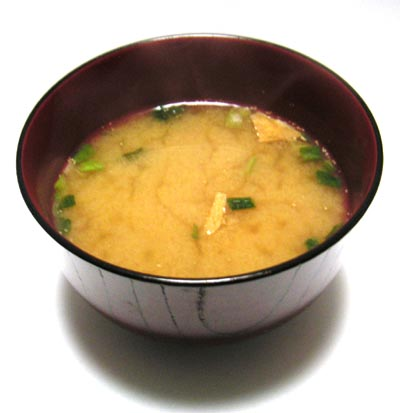
*non-fermented soy contains genistin, whereas friendly bacteria in our gut or in cultured foods such as miso biotransform it into genistein.
The true value of this study becomes apparent when we look at the drugs in greater detail. Alendronate (Fosamax), for instance, was originally used to soften water in irrigation systems used in orange groves. It has the ability to ulcerate and puncture the stomach, which is why it is suggested it be taken with water and the person stands or sits up for half an hour. It has been linked to at least 19 serious adverse health effects, including bone fracture itself!
© January 23rd 2012 GreenMedInfo LLC. This work is reproduced and distributed with the permission of GreenMedInfo LLC. Want to learn more from GreenMedInfo? Sign up for the newsletter here www.greenmedinfo.com/greenmed/newsletter.
For the rest of this article please go to
https://tinyurl.com/54h4btjp
Best line from the video about spike protein damage?
“Some people are very very tough and don’t seem to notice it until they sometimes unexpectedly stop breathing.”
Watch video: https://x.com/XPHOENIXDRAGON/status/1912197229974007902