Dr Berg On Detoxing
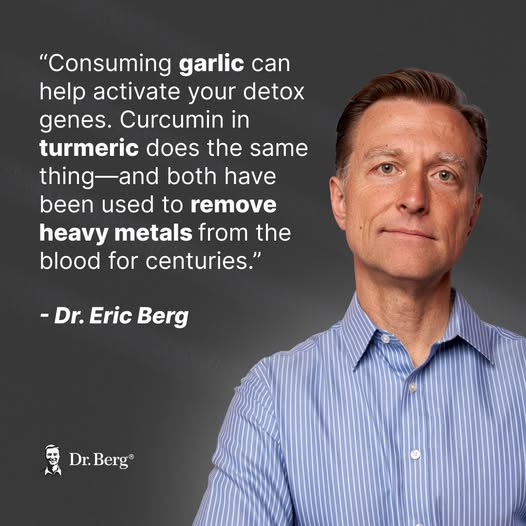
“It’s almost impossible to avoid heavy metals altogether. That’s why it’s crucial you know the best strategies for detoxifying your body.
“Some everyday foods have the power to help detoxify your body through a process called chelation. This means that heavy metals bind to a substance in order to move through and exit your system.
Both garlic and turmeric have chelation abilities, and they also have the ability to turn up your body’s detoxification genes.
Other foods that support heavy metal detoxification include:
-Broccoli sprouts or broccoli microgreens
-Cilantro
-Cruciferous vegetables”
(Tom: That’s why I have them in my Heavy Metals Detox Blend: https://www.healthelicious.com.au/NutriBlast_Heavy_Metal_Blend.htm
Here’s the full list of ingredients:
In descending order of quantities used:
- l-glutamine
- glycine
- N-Acetyl L-Cysteine
- zeolite
- magnesium
- vitamin C
- l-cysteine
- psyllium husks
- malic acid
- probiotics*
- baking powder
- barley grass
- cilantro*
- moringa
- MSM
- pectin – apple
- pectin – citrus
- vitamin B6 (Pyridioxne)
- wheat grass powder
- milk thistle*
- reishi mushroom
- tamarind
- turmeric
- chlorella*
- kelp*
- modifilan*
- spirulina*
- quercetin
- fulvic minerals
- artichoke*
- beetroot
- blueberry
- broccoli*
- capsicum – green
- cinnamon
- green tea extract
- kale
- nopal powder
- aloe vera
- garlic
- onion
- black pepper*
- ginger
- grape seed extract
- resveratrol
- vitamin B3 (Niacin)
- vitamin D3 (cholecalciferl)
- selenium
)
Artificial Additives
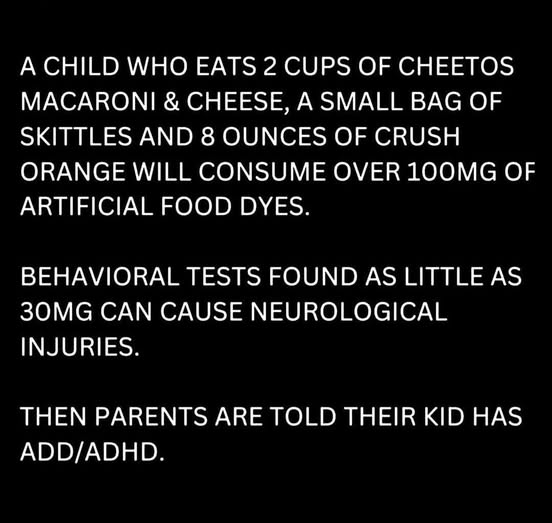
5 Food Additives To Avoid and Two Brain Boosting Solutions
Saw a presentation at https://www.usahealthupdates.com/yb/text/youthful-brain/16 where Dr Sam Walters says:
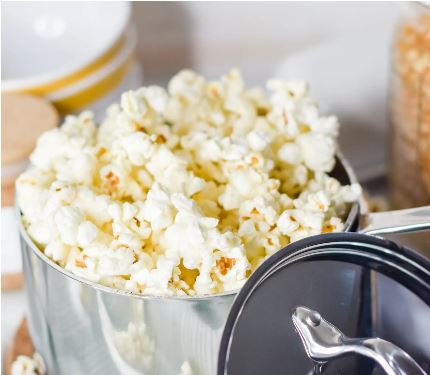
The enzyme diecetyl is put in many health foods to enhance flavour but it has a strong impact on the brain. While it strongly enhances the flavour of bland food, it passes through the blood-brain barrier and can cause memory decline. It can cause the creation of beta amyloid proteins, the tell-tale marker of Alzheimer’s disease.
His brain draining food additives to avoid:
MSG
Aspartame
Splenda
Diecetyl (found in Microwave popcorn)
Aluminium
His formula contains the following:
B12
Phosphatidlyserine
Huperzine A
Bacopa
Ginkgo Biloba
And costs US$294 about AU$450 for a 6 month supply.
My Memory and Intelligence Blend contains:
Bacopa*
Potassium
Vitamin C (Ascorbic Acid)
Ashwagandha
Basil*
Rosemary
Cinnamon
Dong Quai
Ginkgo Biloba*
Gotu Kola
Moringa*
Green Tea Ext
Nigella*
Horsetail
Maca*
Beetroot
Broccoli*
Carrot*
Kale*
Spinach*
Tomato
GABA
Astragalus*
Hawthorn Berry*
Lion’s Mane
Parsley*
Pine Bark Extract
Probiotics*
Reishi M’m
Thyme*
Turmeric
Sage*
Siberian Ginseng
Spirulina*
Tribulus*
Choline
Capsicum Green
Fulvic Minerals*
Grape Seed Extract
Magnesium
N-Acetyl L-Carnitine
Bee pollen
Acai Berry*
Apple Pwd
Artichoke
Kiwi Fruit
L-Tryptophan
L-Tyrosine
Lemon Balm*
Mangosteen
Maqui Berry*
Noni
Olive Leaf*
Pomegranate
Quercetin
Raspberry
Tulsi
Watermelon
Irish Moss*
Uva Ursi
Wormwood*
Buchu*
Cats Claw*
Juniper Berries*
Chlorella*
L-Citrulline
LongJack
Panax Ginseng*
Rhodiola Rosea
Vitamin B8 (Inositol)
Garlic
Muira Puama
Galangal
Ginger
Vitamin D3 (Cholecalciferol)
Chilli
Lutein
Pepper-Black*
Clove
Pepper-Cayenne*
Vitamin B3 (Niacin)
Vitamin B1 (Thiamine)
Vitamin B6 (Pyridoxine)
Vitamin B9 (Folic Acid)
Selenium
4 tubs of my NutriBlast Memory and Intelligence Blend cost AU$320 and last 24 weeks at the recommended daily amount. Order them here: https://www.healthelicious.com.au/Nutri-Blast-Memory-Blend.html
Nobody my age has full-blown autism

Chris Cuomo is left stunned as RFK Jr. delivers the PERFECT response to the claim that “autism rates are higher because of better diagnosis.”
This clip ends the debate. Play it for anyone still clinging to that excuse.
RFK JR: “If it was just a matter of better diagnosis or better recognition, you would see it in older people. But you don’t. The epidemic is taking place in a specific generation—it’s kids born after 1989. That’s what you see. You don’t see autism, one in every 31 people, my age. I’ve never seen somebody my age—71 years old—with full-blown autism… You don’t see that… If it was anything other than an epidemic, why would you only see it in a single generation?”
Cuomo had no rebuttal. “Fair point,” he admitted.
Watch video: https://x.com/VigilantFox/status/1950249199435403427
Cinnamon vs Ibuprofen As A Pain-Killer
Why risk using a pain killer with deadly side effects? Natural alternatives are often not only safer but at least as effective.
https://nexusnewsfeed.com/article/health-healing/cinnamon-versus-ibuprofen-for-menstrual-pain/
Pesticides and Parkinson’s disease: the truth in plain sight

A new study shows that people living near golf courses sprayed with pesticides have an elevated rate of Parkinson’s.
That’s the headline. But what’s the truth?
Parkinson’s is one of those catch-all labels. There is no single cause. The “experts” babble about “several factors”—genetic predisposition, environmental risks.
So why not say people living near these golf courses are suffering from a condition called PESTICIDE POISONING OF THE BRAIN?
Well, the answer is obvious. That would cause an uproar and $$$ problems in the pesticide industry.
Just like calling autism VACCINE DESTRUCTION OF CHILDREN’S BRAINS would cause a global frenzy.
Way back in 1988, just after my book, AIDS INC., was published, a doctor (who hadn’t read the book and misunderstood what I was claiming) said to me:
“You know, people at UCLA did a study to see if antibiotics caused AIDS, and they found men who had AIDS but had never taken antibiotics, so they discarded that theory…”
I never said antibiotics caused AIDS. I said the excessive use of the drugs, in some men, torpedoed their immune systems.
In fact, my whole book showed, time and time again, that many different toxic compounds cause the destruction of the body’s defense system—which is supposed to be the hallmark sign of AIDS.
I exploded the myth that AIDS was one syndrome with one cause.
So…researchers could say, “We’ve discovered a new condition called ANTIBIOTIC POISONING OF THE IMMUNE SYSTEM. And another condition called PARTY DRUG DESTRUCTION OF THE IMMUNE SYSTEM. And another condition called CORPORATE INDUSTRIAL POLLUTION DESTRUCTION OF THE HUMAN BODY IN AFRICA…”
In other words, speak the plain truth.
Instead of “AIDS.”
Don’t hide behind disease names and categories.
Come out with: GOLF COURSE PESTICIDE LETHAL BRAIN DAMAGE DISEASE.
If you have to use the word “disease” at all.
MS Decoded
Scientists just cracked the multiple sclerosis code after decades of searching. Two specific gut bacteria are triggering the disease, and they’ve proven it using identical twins and mice. This changes everything we know about MS:
Chicken and Veggie Bake
I put together a recipe that my wife rated 9 out of 10 so here it is if you want to give it a try.
Serves 8
Ingredients:
1.5 kilos chicken thigh fillets
500 grams chicken breast mince
8 small potatoes
1/3 large sweet potato
3 carrots
1 cup peas
1 cup beans
1 large onion
1 head garlic
3 cm fresh ginger
1 tablespoons coconut oil
250 grams nut butter (peanut, almond or cashew)
454 grams coconut milk
60 grams sweet chilli sauce
250 grams hummus
250 grams tasty cheese
Directions:
Put a large and medium frypan on two gas jets at medium heat
Into the large one put the chicken thighs and turn occasionally until cooked
Into the medium one put the coconut oil to heat
Dice the onion and add to the medium one, stirring frequently until browned
Peel and finely chop the head of garlic and the ginger and set aside in large mixing bowl
Put a litre of water into the kettle and bring to boil
Wash the potatoes and cut into half cm slices
Put the water into a 3 litre pot
Add the potatoes to the water in the pot
Peel the sweet potato and cut into half cm slices
Add the sweet potato slices to the pot
Cook until semi-soft
Some time around here pre-heat the oven to 150 degrees centigrade
Grate the cheese and set aside
Grate the carrots and add to the large mixing bowl
When the chicken thighs are cooked, drain and let cool
In the same large pan cook the chicken mince
In the large mixing bowl mix the carrot, onion, peas, beans, ginger and garlic
Into a blender put the hummus, coconut milk, sweet chilli sauce and nut butter
Cut half the chicken thighs into slices about 8 cm thick
Add them to a baking disk
Add half the chicken mince to the baking dish so the bottom is covered
To the baking dish add the next layer, half the carrot, pea, onion, etc. mix
The next layer is half the potato and sweet potato slices
On top of this drizzle half the coconut milk, sweet chilli and nut butter sauce
Finally sprinkle half the grated cheese on top of the potato layer
Now repeat the last five steps for the second half of the ingredients
Put in the oven for an hour
Take out, serve and relish the meal!
Nutrient Dense Beef

You would have to eat 270% more grocery store beef to equal the nutrient content of properly farmed beef.
Click to view the video: https://x.com/WallStreetApes/status/1949939375942377705