Drugs in Our Bodies Become Drugs in Our Water

elliott-bay-seattle
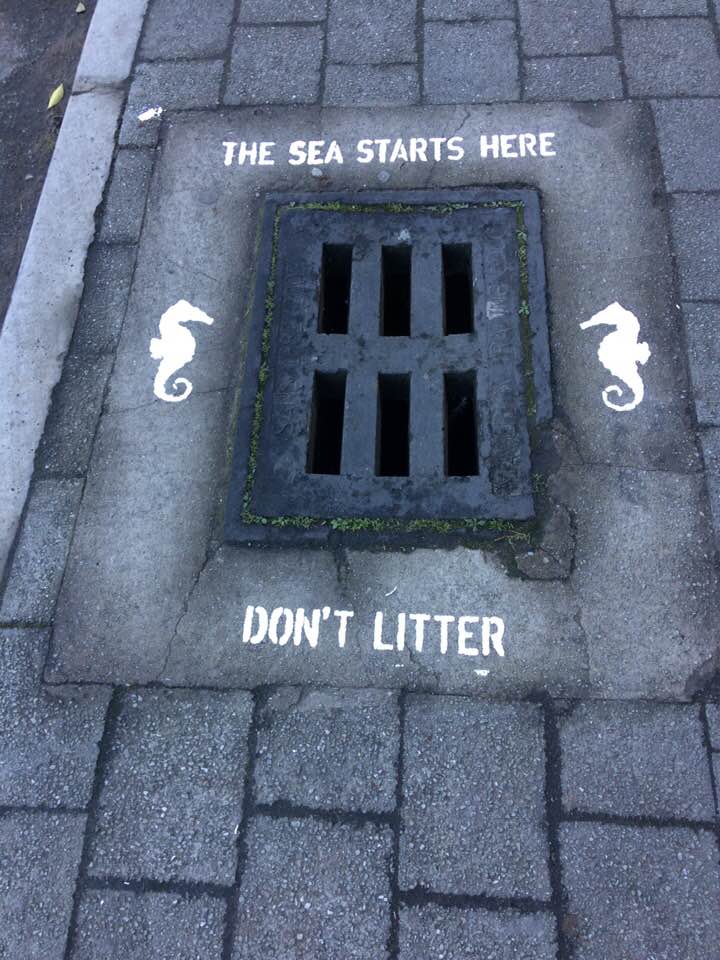
When people take drugs, either for legitimate medical reasons or to get high, they eventually eliminate traces of those drug through the body’s waste products. Those traces then enter our water supplies. When wastewater is processed to make it safe to flow into the sea, this processing does not remove all traces of drugs the humans in that area were consuming.
https://www.narconon.org/blog/drugs-in-our-bodies-become-drugs-in-our-water.html

Top Merck scientist openly admits adding cancer, HIV, leukemia to vaccines

DrMauriceHillerman
One of the most prominent vaccine scientists in the history of the vaccine industry — a Merck scientist — made a recording where he openly admits that vaccines given to Americans were contaminated with leukemia and cancer viruses. In response, his colleagues (who are also recorded here) break out into laughter and seem to think it’s hilarious.
http://vaccinecommonsense.com/2017/10/30/top-merck-scientist-openly-admits-adding-cancer-hiv-leukemia-to-vaccines/

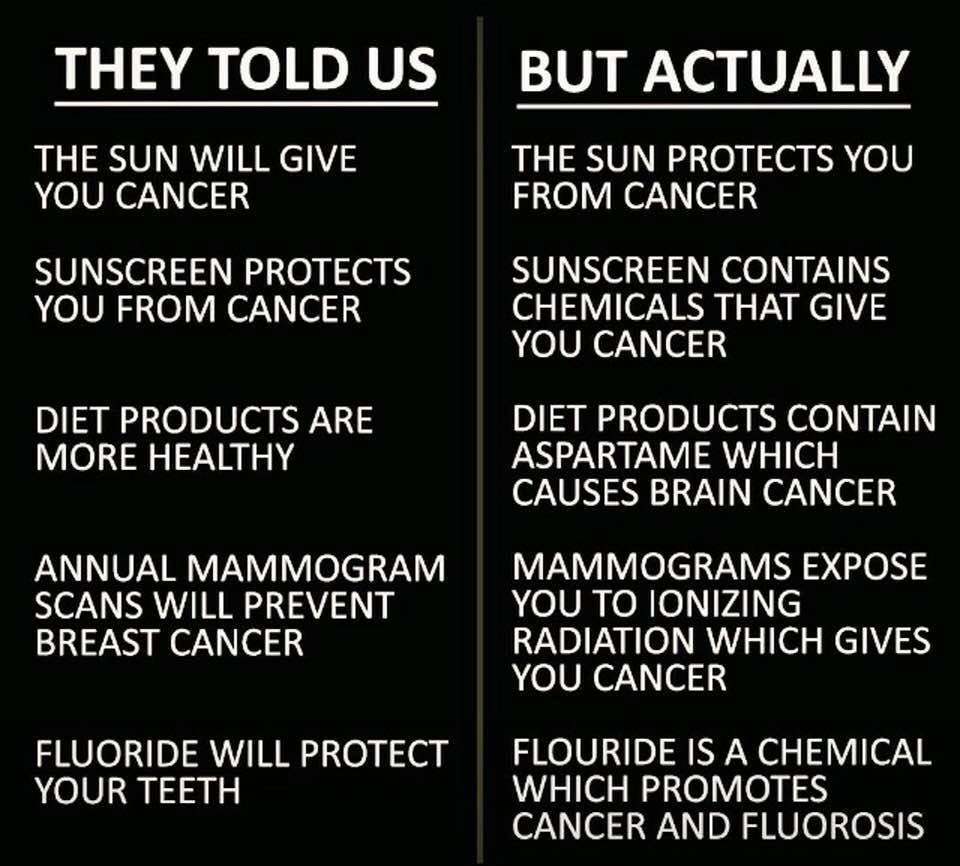
30 Years of Breast Screening: 1.3 Million Wrongly Treated

breast_surgery
The breast cancer industry’s holy grail (that mammography is the primary weapon in the war against breast cancer) has been disproved. In fact, mammography appears to have CREATED 1.3 million cases of breast cancer in the U.S. population that were not there.
A disturbing new study published in the New England Journal of Medicine is bringing mainstream attention to the possibility that mammography has caused far more harm than good in the millions of women who have employed it over the past 30 years as their primary strategy in the fight against breast cancer.[i]
Titled “Effect of Three Decades of Screening Mammography on Breast-Cancer Incidence,” researchers estimated that among women younger than 40 years of age, breast cancer was overdiagnosed, i.e. “tumors were detected on screening that would never have led to clinical symptoms,” in 1.3 million U.S. women over the past 30 years. In 2008, alone, “breast cancer was overdiagnosed in more than 70,000 women; this accounted for 31% of all breast cancers diagnosed.”
http://www.greenmedinfo.com/blog/30-years-breast-screening-13-million-wrongly-treated

The Purpose of Food

As you know, food comes in a wide variety of tastes, colours, shapes and sizes, It also has an enormous variation in quality. And I’m not just talking fresh versus stale, I’m also talking about the quality of the nutrition and therefore nourishment that food provides our bodies.
At one end of the food quality scale, food can be natural (not genetically engineered), grown without herbicides, pesticides and fertilizer, contain no artificial preservatives, sweeteners, flavours and colours, no added sugar, no excitotoxins (like MSG, to make you crave more) and not be irradiated or washed in chlorine.
At the other end of the scale it can be genetically modified, artificially fertilised, doused in pesticides and herbicidal poisons, manufactured with artificial preservatives, sweeteners, flavours and colours, contain added sugar, excitotoxins (like MSG) and be irradiated or washed in chlorine. In other words, a toxic cocktail that contributes to degenerative diseases and an early death.
No wonder Jack LaLanne said, “If man made it, don’t eat it!”
(Francois Henri Jack LaLanne was an American fitness, exercise, and nutrition expert and motivational speaker who is sometimes referred to as the “Godfather of Fitness” and the “First Fitness Superhero”. He died at age 96.)
So, why is it that our food supply can cover such a wide variety of extremes. Purely and simply because we don’t all purchase only that which is good for us. That’s why companies make the stuff at the bad end of the scale. Because people buy it. If nobody bought it, companies would not make it.
So why do people buy it? Primarily because we are not all on the same page with regards to the definition and purpose of food.
For a moment, let’s have a look at the purpose for food. Why do we eat it? Right from the moment we are born, our bodies crave nourishment, we get hungry and look for something to eat to quell the pain of hunger. Mum offers us a nipple and away we go. So we start out by being suckers on the subject of food and the food giants expect us to remain so!
All jokes aside, this killing the pangs of hunger is the first purpose for eating. Unfortunately, for many around the world, it remains the only purpose.
As we grow a bit older we are introduced to things that taste nice. We are rewarded with food when we are “good”.
So food now assumes a new role. As well as taking away the pain of hunger, food is now something to eat that tastes great, so it is a source of pleasure, it makes us feel good.
Gee, we haven’t even got to school yet and we are seriously off the rails with regards to the purpose of food.
So then we introduce peer pressure on the subject of food, advertising aimed at kids, we get busy and don’t have time so we look for fast, easy and convenient, preprepared and “fast” foods. We are now easy targets for what the definition of food has become, “Something tasty that takes no time to prepare that I can eat quickly to not feel hungry and will get me through to the next meal time.”
Wow! What a degraded scene.
What’s the ideal scene? What would be the optimal purpose for eating? OK, food is fuel for the body. If we wanted the best condition for our body, what WOULD we want our food to do?
How about this? As well as the minimum purpose for food being:
1. To satisfy our hunger cravings
2. To taste at least acceptable
We additionally want to provide sufficient nutrients so:
3. Our body had sufficient energy so we could do what we wanted to do
4. We had no mental fog leaving us fresh and alert till an hour before sleep
5. The body would rarely, if ever get sick
6. If the body got ill, it would recover quickly
7. The body could repair itself and reverse disease
8. The body maintained as close to optimal functionality despite aging
If that is the proper purpose for food then as a society we have strayed a long way off the rails and have a long way to go to get back on the rails. The good news is that you and I have the power to make a change in our own diets and to encourage others to do the same.
The first step is to decide to take responsibility for your future diet and health. One way you can do that is to make a list of what you will cut out of your diet and another list of what you will add in or buy more of. I find one of the easiest ways to do that is to create an eating plan, meals and snacks, for the coming week then buy for that eating plan. And only go shopping on a full stomach! That’s a big help!
If you are looking for some options for snacks or “pick me ups” or mini-meals that are healthier than oats and sugar bars, check out www.healthelicious.com.au. I practice what I preach!

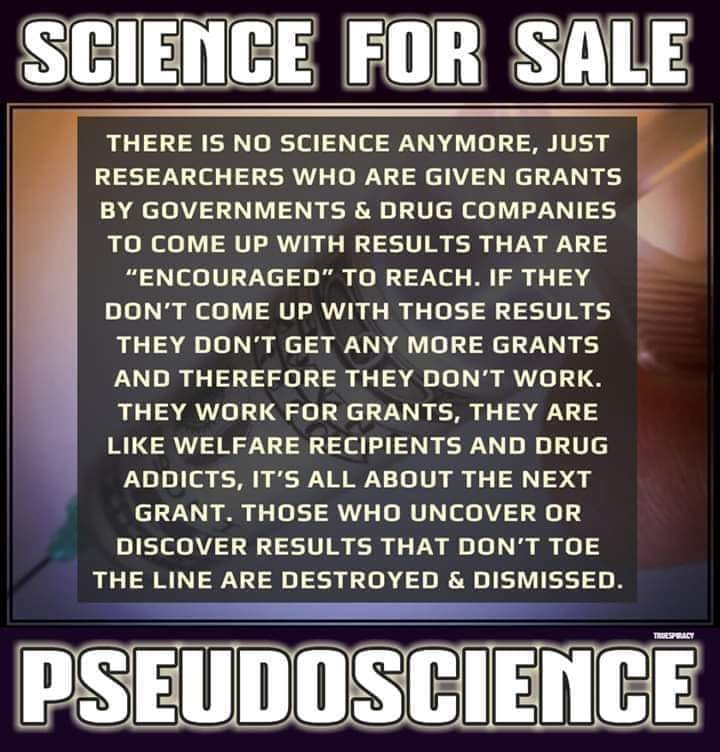
Are Cochrane Reviews Truly "Independent and Transparent"?


Criticisms of Cochrane reviews have surfaced since not long after the organization’s inception. In 2001, for example, the British Medical Journal (BMJ) questioned the reliability of some Cochrane reviews, describing the implications for Cochrane’s reputation as “serious.” The BMJ authors suggested that “the Cochrane Collaboration needs to clarify [explain] how it discharges its responsibilities for the quality of reviews published under its imprimatur, and how it responds when they are shown to have come to unjustified conclusions.”

A more recent examination of Cochrane reviews in 2016 concluded that while “the methodological quality of Cochrane reviews is good compared to…non-Cochrane reviews, …it would be inappropriate to assume all Cochrane reviews are good quality and are at low risk of bias.” Cochrane’s new and chummy partnership with Wikipedia to include “relevant evidence within all Wikipedia health articles,” announced in early 2017, also may raise some eyebrows given Wikipedia’s reputation for bias. All of these factors suggest that it might be time to take Cochrane’s supposedly neutral relationship with its funders with a grain of salt.
http://www.greenmedinfo.com/blog/are-cochrane-reviews-truly-independent-and-transparent

Should You Worry With The Dangers of Soy?

MRA-dangers-of-soy
I received this newsletter and thought it well worth passing on to you.
Dear Tom,
Reduce, reuse, and recycle. It’s something we all try to do. Being conscious of the environment and the world you live in is almost second nature to many of us as being conscious of your health and your body.
You drop your paper and plastic into the recycling bin. Those with gardens compost the green leftovers from their kitchen. You frequently consume remanufactured industrial waste as part of what you assume to be a healthy diet.
Wait…what? You didn’t see that on the label?
No, you didn’t…because it isn’t there.
The proteins of the very first plant listed in the US Food and Drug Administration’s (FDA) Poisonous Plant Database is one that is referenced 288 times in that single document.
In fact, subsidized by the government, it is used as a food additive more than any other ingredient. This is despite the fact that the FDA refused to grant it “Generally Recognized as Safe” status.
The plant we’re talking about is the soybean.
Hold on a second! Soy is supposed to be good for you! People in Asian cultures have been eating it for thousands of years and it’s been proven to benefit their health. Right?
Not exactly. Research shows that soy products consumed in many Asian diets – such as tempeh, miso, soy sauce, and Kombucha tea – use fermented soy in production.
The majority of soy products sold in the United States – such as soymilk, tofu, burgers, and cheese – use unfermented soy in manufacturing.
The difference between fermented and unfermented soy is crucial. The dangers of soy are serious. Far more serious than you may realize.1
Let’s begin with the point many people are introduced to soy: soon after birth. On average, 12% of American children consume a baby formula containing soy. It’s dropped more than 50% in the last decade now that the word is out on soy (this is good news).2
What the label on those cans neglects to mention (even now) is that the product contains phytoestrogens. These are plant-based compounds that mimic the estrogen produced by the human body. A child fed soy-based formula is consuming something that mimics birth control.
Infants on soy-based formulas experienced changes to their reproductive system tissues.3
Have you looked at children and young adults recently? Do you notice how much faster they’re developing? Research proves that early onset puberty has increased in the last two decades. It is not surprising considering the massive bombardment of hormones children receive from birth.
The results are staggering.
Those phytoestrogens? They’re not just in baby formula and they do a lot more than simply cause your kids to develop quicker. Increased estrogen levels in the body lead to infertility, uterine fibroids, and breast cancer. A separate study indicated that drinking just two glasses of soymilk a day can alter your menstrual cycle.4
Goitrogens in unfermented soy block synthesis of thyroid hormones, which can lead to hyperthyroidism and thyroid cancer. They also interfere with iodine metabolism and have been linked to autoimmune thyroid disease.
What other surprises lurk in our soy lattes?
Aluminum – soy foods contain high levels of this toxic metal, which causes damage to your kidneys and central nervous system.
Vitamins B12 – unfermented soy contains a compound resembling vitamin B12 that your body cannot use. It increases your need for vitamin D. As a result, synthetic forms of both vitamins are added to the soy foods you consume.
MSG – commonly added to packaged foods to enhance their taste, this potent neurotoxin is a byproduct of soy food processing. Additional MSG is added later to cover the unpleasant flavor of soy. MSG causes weight gain, promotes liver inflammation, and is linked to instances of brain cell damage.
Hemagglutinin – you may not have heard of hemagglutinin, but its presence is nothing to ignore. It causes your red blood cells to clump together, leaving them unable to properly absorb and distribute oxygen throughout your body.
Lysin alanine and Nitrosamines – these toxic and carcinogenic compounds are formed during the high-temperature chemical processing of soy. To create textured vegetable protein – it is the only method used. Textured vegetable protein sounds rather safe if you read it on a label.
Every year, the numbers of allergic reactions to soy continues to grow. Since soy is used as an additive and filler in so many processed and pre-packaged foods, manufacturers are required by law to list all soy used in production.
This allergy is so severe that a single bite of soy could literally be the last thing they ever eat.
Experts estimate that more than 90% of soy used in food manufacturing is genetically modified (GMO) – which adds another layer of risk to consuming soy. The risks simply aren’t worth it when it comes to the dangers of soy. Be healthy and make the safe choice.
To Your Health & Longevity,
David Allen
President,
Medical Research Associates
Breakthroughs in Health & Medicine
https://realmedicalhelp.com/newsletter/2018/06.09.18-InHouse-MRA-News.html