Six Ways to Disrupt Agenda 21/2030, The Great Reset, and the Growth of Technocracy

Agenda 2030

This UN “2030 Agenda” document that pushes a blueprint for so-called “sustainable development” around the world.

This document describes nothing less than a global government takeover of every nation across the planet.

The “goals” of this document are nothing more than code words for a corporate-government fascist agenda that will imprison humanity in a devastating cycle of poverty while enriching the world’s most powerful globalist corporations like Monsanto and DuPont.

In the interests of helping wake up humanity, I’ve decided to translate the 17 points of this 2030 agenda so that readers everywhere can understand what this document is really calling for.

http://humansarefree.com/2015/10/the-un-2030-agenda-decoded-blueprint.html

The Great Reset

https://www.activistpost.com/2020/10/six-ways-to-disrupt-agenda-21-2030-the-great-reset-and-the-growth-of-technocracy.html

In this video John Bush shares six ways you can disrupt Agenda 21/2030, The Great Reset, and the Growth of Technocracy.

These are the various vehicles the powers that wish they were are utilizing in order to create a dictatorial technocratic global government in which all humans are tracked and controlled.

Six areas of disruption and opt out….

  1. Stay in good health
  2. Raise free and sovereign children
  3. Become an entrepreneur / counter-economist
  4. Minimize your digital footprint
  5. Get out of the city
  6. Build community and join the Freedom Cell Network

As an undercut to the above steps I would add the following:Improve yourself. Take each of these points up a notch then repeat. You probably have no idea how far up you can go.
a) Improve your sleep if it is less than 7 hours a day.
b) Improve your diet.
c) Improve your mind.
d) Improve your body. Focus on flexibility, strength, agility, endurance and balance.
e) Improve your knowledge, especially of people.
f) Improve your skills and abilities.

To John’s points I would also add some smaller, intermediate steps like:
Gradually build up a 6 month supply of food for emergencies.
Have a stash of cash and gold/silver available to you for emergencies.
As a step in John’s 6 above, Educate those of your family and friends who are reachable.


Unhealthy Mouth = Brain Damage

Unhealthy Mouth = Brain Damage

Dr Peter Dingle writes:

Periodontal Disease (tooth and gum disease linked to the oral microbiome) causes brain inflammation linked to neurodegenerative disease.

Other studies have shown links with multiple gut illnesses hence the need to get your oral hygiene good. (not fluoride based products and alcohol based mouth washes)

These results suggest that the periodontal inflammation-induced expression of IL-6 is related to neuroinflammation and BBB disruption in the hippocampus, ultimately leading to cognitive impairment.

Periodontal therapy may protect against neurodegenerative diseases.

https://www.mdpi.com/2076-3425/10/10/679

Nutrients that improve vision:

I was looking at a presentation that shared the following:
Alpha Lipoic Acid
Astaxanthin
Citicoline
Beta Glucan
Bilberry
Bioflavonoids
Ginkgo Biloba
Grape Seed
Lutein
N-acetyl-L-cycteine
Taurine
Vitamin C
Zeaxanthin
Zinc

And yes, most of them are in my NutriBlast formula.

Plague Of Fear 2020 – Disturbing Scenario Addendum

Two Minutes To Midnight Clock

I share this with reservations. It is not uplifting or inspiring but one person’s perception of what has passed and what is likely. The most constructiuve thing I can recommend to you is that you continue to improve your nutrition and lifestyle routine so you stay as healthy as possible and your immune system is in top condition to defeat pathogens.

https://hive.blog/news/@francesleader/plague-of-fear-2020-disturbing-scenario-addendum

Canola Increases Weight and Reduces Memory

Erasing Memory

Canola Increases Weight and Reduces Memory

Canola oil is appealing because it is less expensive than other vegetable oils, it is advertised as being healthy, and promoted by the heart foundation.
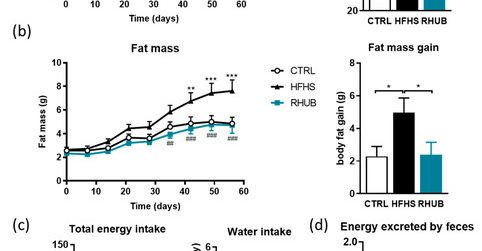
In this study the mice received either regular chow or a chow diet supplemented with canola oil for 6 months. At this time point we found that chronic exposure to the canola-rich diet resulted in a significant increase in body weight and impairments in their working memory together with decrease levels of post-synaptic density protein-95, a marker of synaptic integrity, and an increase in the ratio of insoluble Aß 42/40.

They reported their findings do not support a beneficial effect of chronic canola oil consumption on two important aspects of AD pathophysiology which includes memory impairments as well as synaptic integrity.
Today canola oil is the third largest vegetable oil by volume after palm and soybean oil worldwide, and in the United States is one of the most widely used oil for human consumption second only to soybean oil. While many studies have investigated the relationship between olive oil with disease incidence, mortality and biomarkers for diseases, studies with canola oil are mainly focused only to biomarkers. Limited and not conclusive scientific evidence would suggest some benefit for canola oil consumption, but results from studies implementing diets containing canola oil in experimental animal models have provided us with conflicting data. On the other hand, studies have consistently demonstrated a beneficial effect of olive oil in different mouse models of neurodegeneration. By contrast, no data are available on the effect that canola oil consumption may have on any of these models and the development of AD.

The authors had previously used the same mouse model in an investigation of olive oil and found the opposite to canola. Alzheimer mice fed a diet enriched with extra-virgin olive oil had reduced levels of amyloid plaques and phosphorylated tau and experienced memory improvement. In support of this the Mediterranean diet which is rich in olive oil is associated with a reduced risk of developing mild cognitive impairment and AD, and a reduced risk of progressing from mild cognitive impairment to AD among its many health benefits.
Rapeseed oil (known also as canola oil) has emerged as a potential substitute for olive oil since has a similar monounsaturated fatty acids content to that of olive oil and an overall favorable fatty acid profile. As result, in recent years the consumption of canola oil has significantly increased in non-Mediterranean countries, due to the lower cost compared with olive oil and the perception that it shares the health benefits of the olive oil.

https://drdingle.com/canola-oil-harms-the-brain-and-helps-put-on-weight/